
GameBrief · Guides
Welcome to Elderfield Beginner Guide: Farming Meets Horror
Reviewing
Welcome to Elderfield
Chris Cote
This Welcome to Elderfield beginner guide covers what actually matters walking in cold: how the cozy-life-sim half connects to the turn-based horror-combat half, what the two difficulty modes actually change, and what to expect from the townsfolk before you decide who to trust, or marry. The game comes from solo developer Chris Cote, released September 10, 2026, and landed at Very Positive on Steam within its first day.
TL;DR: Welcome to Elderfield blends a cozy farming RPG (crops, fishing, mining, romance) with turn-based combat against Lovecraftian creatures using an Attack, Ritual, Guard, and Item menu. Choose cozy difficulty for a gentler pace or a harder mode built around the Old Gods. Solo dev, hand-drawn horror-manga art, dark lofi soundtrack, Windows only at launch.
What kind of game is Welcome to Elderfield? (quick answer)
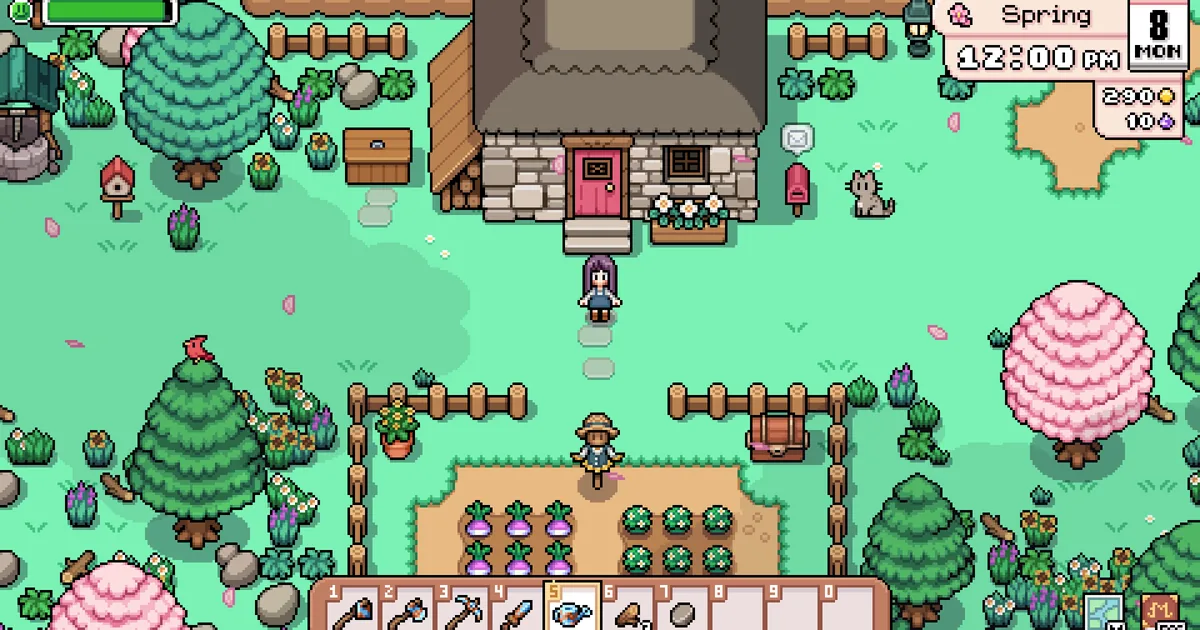
It's a farming-and-life-sim RPG where the horror isn't a side genre, it's baked into every system. You customize your home and character, cultivate crops (including some deliberately strange ones), manage odd livestock, fish, mine, and befriend or marry the townsfolk, exactly like a typical cozy sim. Underneath that, combat against ancient, Lovecraftian creatures runs on a real turn-based system with resource management, buffs, and equipment, not a tacked-on minigame. The developer explicitly built two difficulty tracks around this split: a cozy mode for players who want the harvest-and-discovery loop without much combat pressure, and a harder mode for players who want the Old Gods to actually test them.
Key takeaways
- Solo developer Chris Cote, released September 10, 2026, Windows only, $17.99 base ($16.19 at a 10% launch discount)
- Very Positive reception within the first day, an unusually strong launch signal for a brand-new solo-dev title
- Core loop splits between cozy life-sim systems (farming, fishing, mining, romance) and turn-based combat against Lovecraftian creatures
- Combat runs on an Attack, Ritual, Guard, and Item menu, confirmed directly from gameplay screenshots
- Two difficulty modes: a laid-back cozy setting and a harder track built around surviving the Old Gods
- Crops include intentionally unsettling options like teeth and eyeballs alongside normal produce like corn and pumpkins
Step-by-Step: your first sessions in Elderfield
1. Treat the cozy and horror halves as one system, not two modes: The farming and combat loops aren't separate minigames bolted together. Livestock, crops, and resources you gather feed directly into what you can equip and consume before a fight, so a slow farming day is still progress toward surviving the next encounter.
2. Pick your difficulty honestly, not aspirationally: Cozy difficulty is built for a laid-back harvest-and-discovery pace. The harder Old Gods track is a genuine turn-based challenge with real resource management. Starting on cozy and switching later (if the game allows it) beats getting walled early by a Cornstalker or worse.
3. Learn the four combat actions before your first real fight: Attack, Ritual, Guard, and Item are the core menu, confirmed directly from gameplay. Ritual stands out as the horror-flavored special-ability slot, worth testing against a weak enemy before you need it in a fight that actually matters, similar to how a well-timed Forsaken power changes a fight in Valheim.
4. Don't ignore the odd crops: Corn and pumpkins are normal, but the game also has you growing things like teeth and eyeballs. These aren't jokes, they're part of the resource loop the combat and ritual systems likely draw from, so don't skip planting them just because they're unsettling. If you're coming from a more traditional farming sim like Starsand Island, expect the crop list here to lean a lot weirder.
5. Get to know the townsfolk early: Befriending or marrying Elderfield's residents is a confirmed system, and the town's dedicated Reddit community (r/welcometoelderfield) was already active with NPC-focused discussion before the game even launched, similar to how the community around Tales of Seikyu's romance options mapped out candidates early. Early conversations are cheap information about who's worth investing in.
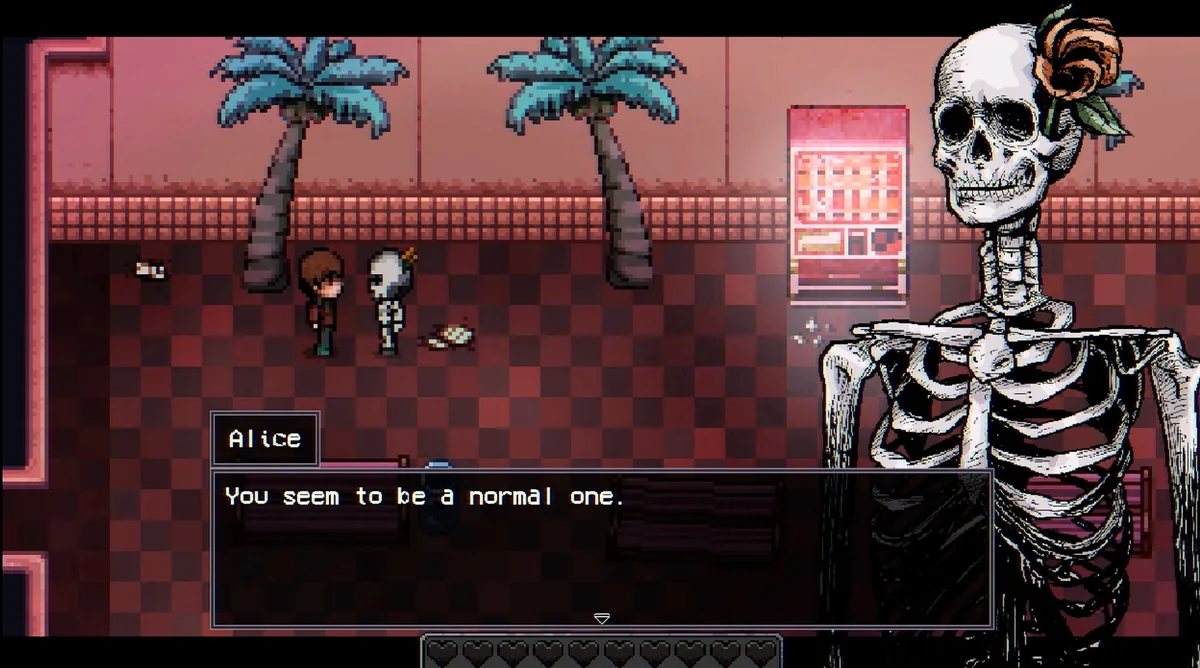 Caption: One of Elderfield's odd townsfolk in the game's overworld pixel-art style, a different visual register from the hand-drawn combat portraits.
GODEEPER: Want another cozy-adjacent RPG with real systems depth to compare against? Our Fatekeeper skill tree guide covers a build-driven RPG loop with a similar early-game learning curve.
The combat system: what's actually confirmed
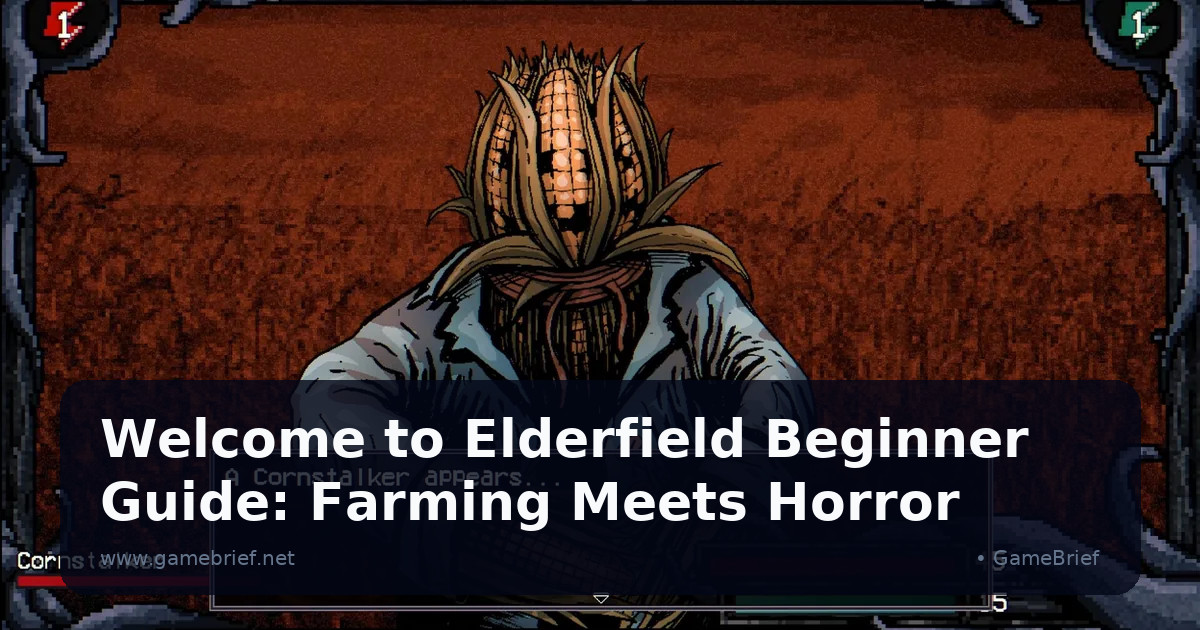
Gameplay screenshots confirm a four-option combat menu: Attack, Ritual, Guard, and Item, each drawing from a shared resource pool shown as small lightning-bolt icons next to the option costs. The official description frames this as "a deep, turn-based combat system where you must utilize gathered resources, strategic buffs and diverse equipment to survive encounters with ancient, Lovecraftian horrors." Named enemies confirmed via screenshots include the Cornstalker, a corn-headed creature that "appears" mid-encounter with its own visible health bar.
The developer's own framing for this system is blunt: "Die, learn, farm, and forage… Then die again." That's a real signal about intended difficulty on the harder track, not just flavor text, so don't expect the Old Gods setting to be forgiving on a first attempt.
The resource icons next to Attack and Guard in the screenshot above (small lightning bolts marked "×1") suggest each action draws from a shared pool rather than a simple cooldown, which would explain why the official description leans so hard on "strategic buffs" and "gathered resources" as survival tools rather than just raw stats. That reading fits a genre pattern common to turn-based RPGs with a resource-management layer, but it hasn't been independently confirmed against an in-depth breakdown from the developer or community at time of writing, so treat it as an informed read of the UI rather than a settled mechanic.
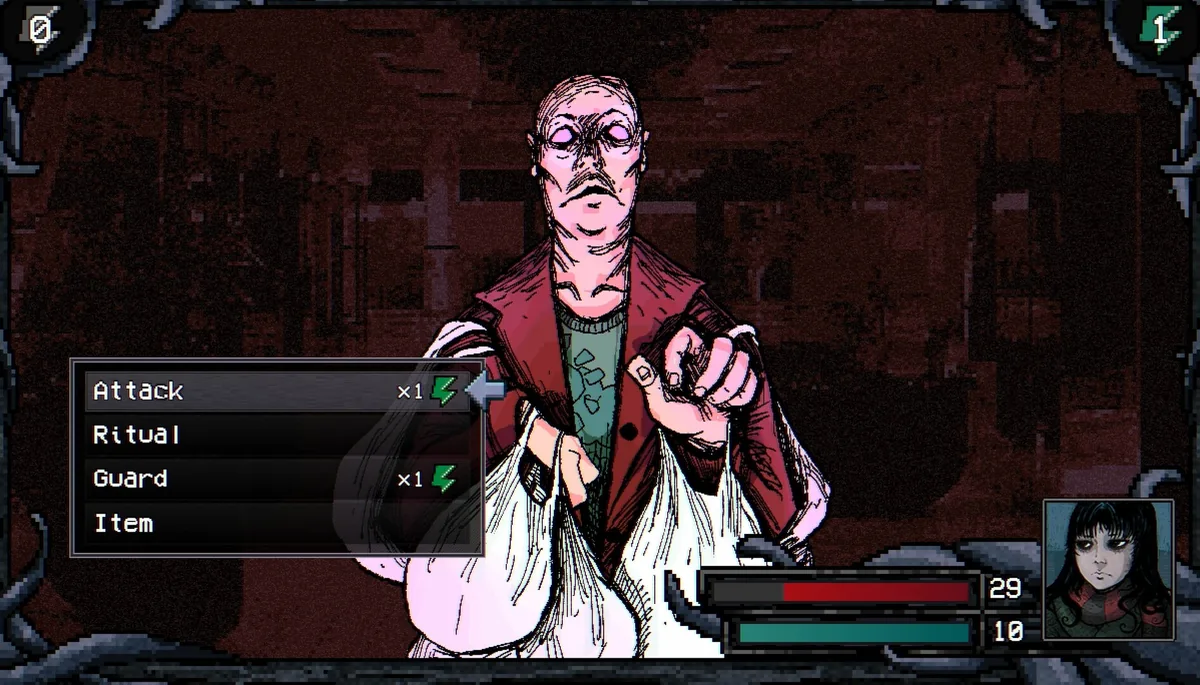 Caption: The core combat menu. Ritual sits alongside the more familiar Attack and Guard options as the game's horror-specific mechanic.
Is Welcome to Elderfield worth playing at launch?
At $16.19 during its launch discount, and with a Very Positive rating built on an unusually high positive percentage within the first day, the early signal here is genuinely strong for a solo-developer release, on par with how fast Orc Incremental built momentum the same week. A 97.9% positive rate this early isn't guaranteed to hold as the review sample grows into the thousands, first-week reviews on any Steam launch skew toward the most enthusiastic early adopters, but it's still a stronger opening than most solo-developer RPGs manage.
The honest caveat is the same one that applies to any day-one coverage: this guide is written a single day after launch, before the community has mapped out romance routes, full crop lists, or late-game difficulty balance in detail. Treat the mechanics above (the combat menu, the confirmed difficulty split, the farming-and-romance loop) as confirmed, and the deeper systems (exact romance mechanics, full enemy roster, endgame pacing) as still filling in as more players reach the later parts of the game.
Related Reading
- Fatekeeper Complete Guide: another build-driven RPG with real systems depth worth comparing against Elderfield's dual cozy/combat loop.
- Starsand Island Complete Guide: a more traditional cozy farming and romance sim, useful as a contrast point for what Elderfield does differently.
- Winter Burrow Complete Guide: another recent cozy-survival hybrid from a small team, worth a look if Elderfield's blend of genres appeals to you.
- Orc Incremental Beginner Guide: a different recent indie launch with a similarly strong Very Positive debut, if you're tracking what's landing well this week.
Frequently Asked Questions
What is Welcome to Elderfield? A cozy horror RPG from solo developer Chris Cote, released September 10, 2026. You farm, fish, mine, and befriend or marry the townsfolk, while turn-based combat against Lovecraftian creatures runs underneath the cozy-life-sim surface.
Is Welcome to Elderfield actually scary? It leans unsettling rather than jump-scare horror: hand-drawn, horror-manga-style combat portraits, dark lofi music, and unnerving townsfolk. The game itself lets you choose a cozy difficulty for a gentler experience or a harder mode built around the Old Gods.
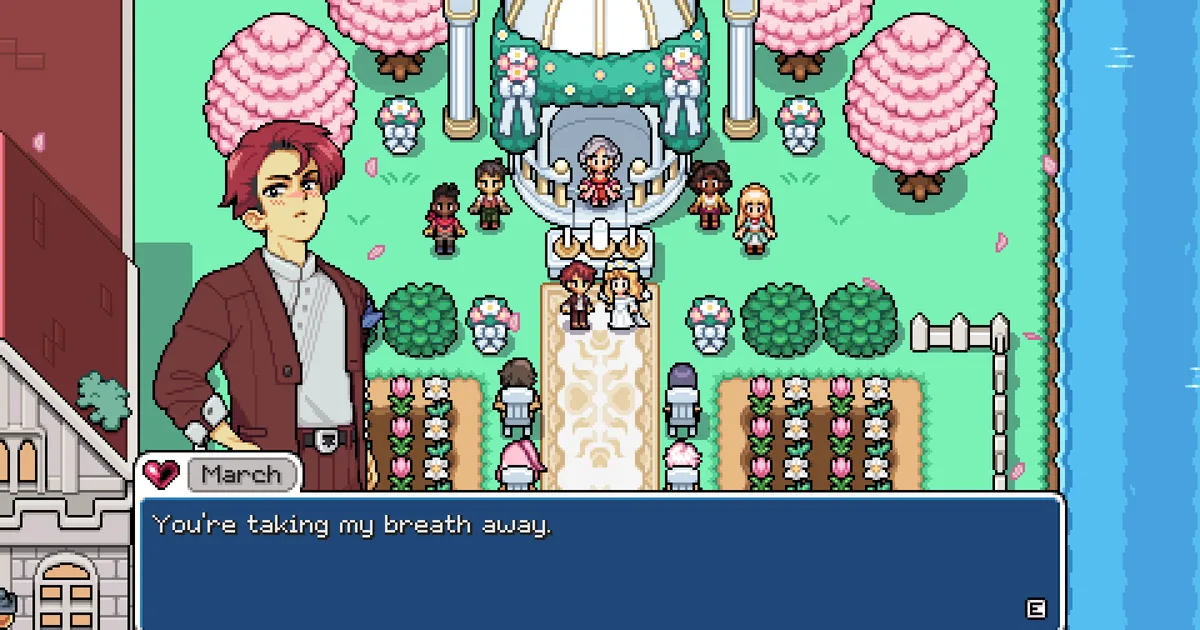
Can you marry NPCs in Welcome to Elderfield? Yes. The official store description confirms you can befriend or marry the odd townsfolk of Elderfield alongside the game's farming, fishing, and exploration systems.
What are the difficulty options in Welcome to Elderfield? Two confirmed modes: a cozy difficulty aimed at a laid-back harvest-and-discovery experience, and a harder mode built around surviving encounters with the Old Gods using turn-based, resource-driven combat.
Is Welcome to Elderfield good at launch? Yes, strongly so. Steam reviews sit at Very Positive within the first day of release, with a notably high percentage of positive reviews for a brand-new solo-developer game.
What platforms is Welcome to Elderfield on? Windows only at launch, per the game's own Steam store listing. No Mac or Linux version is currently listed.
References
- Welcome to Elderfield on Steam: official store page, price, and review data.
- r/welcometoelderfield: the game's dedicated community subreddit, active since before launch.
- Welcome to Elderfield Official Release Date Trailer: official trailer cited in this guide.
Was this guide helpful?
About the author

Indie & JRPG Critic
Indie game evangelist and lifelong JRPG fan covering small studios since 2017. Mumbai-born, London-based. Writes the way she talks.
- 7 years indie games coverage
- JRPG and visual novel specialist
- Narrative design focus
Keep reading


Disclaimer
This article is published for informational and entertainment purposes. It does not constitute professional financial, legal, or technical advice. Game performance, online services, patch schedules, and store listings change. Verify critical details (pricing, system requirements, regional availability) with publishers and storefronts before you buy. Affiliate links, where present, help support our editorial work and are labelled in our affiliate disclosure.
Comments
Loading comments…