
Complete guideSunderfolk
Sunderfolk Complete Guide: All 7 Classes, Co-op Tips 2026
Sunderfolk complete guide hub: all 7 classes ranked, best party compositions, co-op setup, Vanguard builds, and every guide on the site organized by topic.
This Sunderfolk complete guide covers all 7 classes, party compositions, co-op setup, and the Vanguard added in Update 2.0. Secret Door's tactical RPG uses grid-based combat and a card-hand ability system, with an optional phone app as a dedicated controller for each player.
Sponsored

About the game
Sunderfolk
Secret Door · Dreamhaven
This hub collects every Sunderfolk guide on the site, with a quick overview of what each one covers so you can go directly to whatever you need.
Updated 2026-10-05: Corrected Pyromancer Firepower wording and the Arcanist and Berserker mechanics against current class references.
TL;DR: Start with Berserker if you're new. Bring Bard in any group of 3+. Online co-op launched in Update 2.0 (March 10, 2026). Patch 2.0.9 added Steam Networking as an optional improvement on top of that. The Vanguard (Update 2.0) is a retaliation tank worth learning once you have a run or two under your belt. Don't pick Rogue for your first run.
BESTPRICE: Want Sunderfolk? These stores list it: Buy on Eneba → Buy on Humble Bundle → Buy on Loaded → Buy on Gameseal → Buy on Kinguin →
Sunderfolk quick overview: what kind of game is this?
Sunderfolk is a co-op dungeon crawler where each player controls one hero, plays cards from a hand to take actions, and moves on a tactical grid. Combat is simultaneous: all heroes plan their turns using cards, then actions resolve. There are no randomized weapons or item drops in the traditional sense: your class's card pool is your build, and unlocking new cards across runs is the progression loop.
The phone app controller is worth mentioning because it shapes the experience. Each player downloads the free Sunderfolk app, connects to the host PC's session over local network or online, and uses their phone screen to see their hand and select cards. It works surprisingly well for couch co-op, where four people can each play from their own screen without crowding around a keyboard. Keyboard and mouse works fine if you're playing online or prefer it.
The game runs 1-4 players. Solo is viable (the encounters scale), but the card economy and positioning puzzles open up with more players.
Sponsored

All 7 Sunderfolk classes: quick reference
Sunderfolk shipped with 6 classes and added the Vanguard in Update 2.0.
Berserker: frontline tank-damage hybrid. Protector's Fury grants Rage for one round when the Berserker takes damage, and Rage increases damage while reducing incoming damage. Best solo class and best beginner class. Demands to be in melee, which is straightforward positioning.
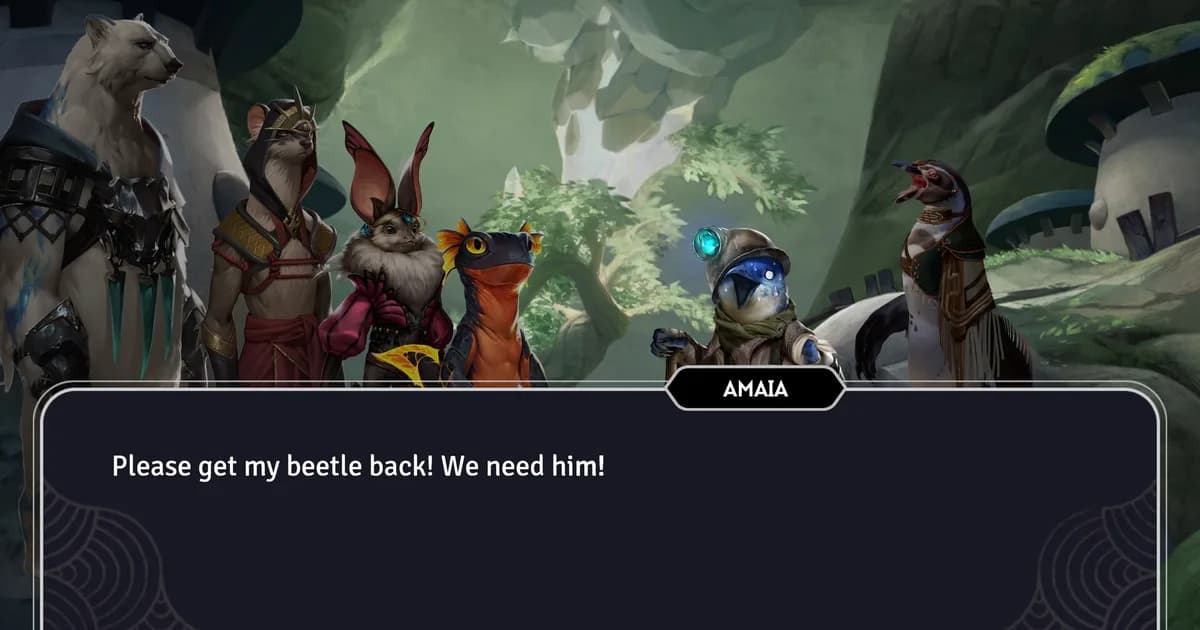
Bard: support. Two-Step (the Bard's swap ability) and specific Bard cards and trinkets drop music notes that heal or buff allies who reach them; ordinary movement generates nothing on its own. S tier in groups of 3-4 because a well-placed note reaches more allies. A tier in solo or duo because the buff value doesn't compound as much.
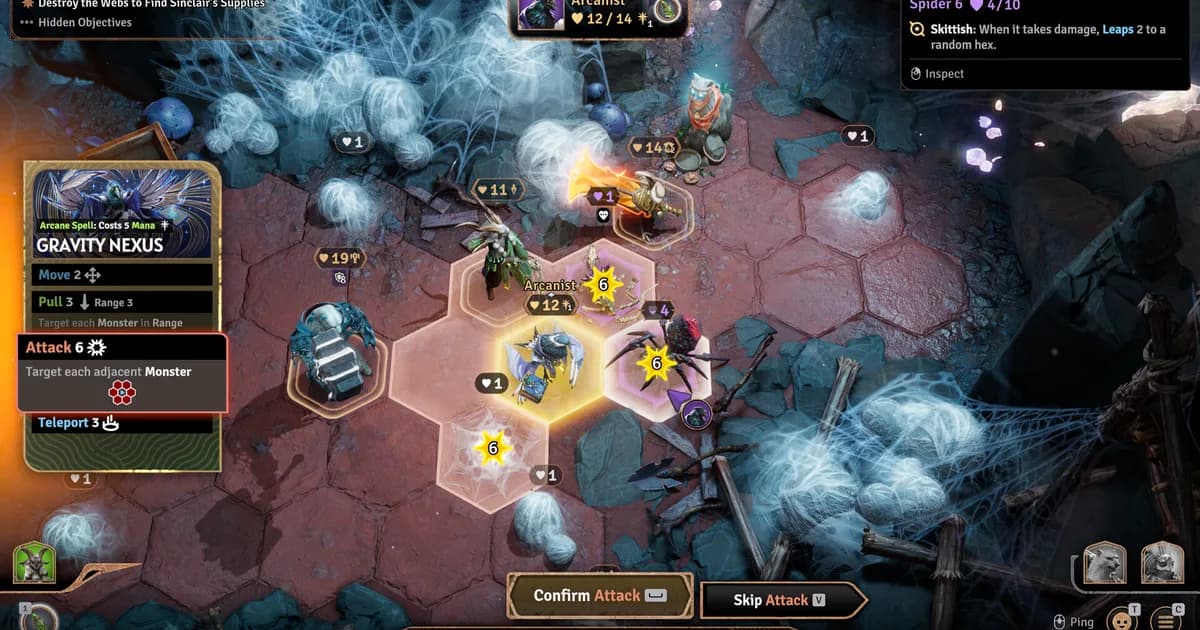
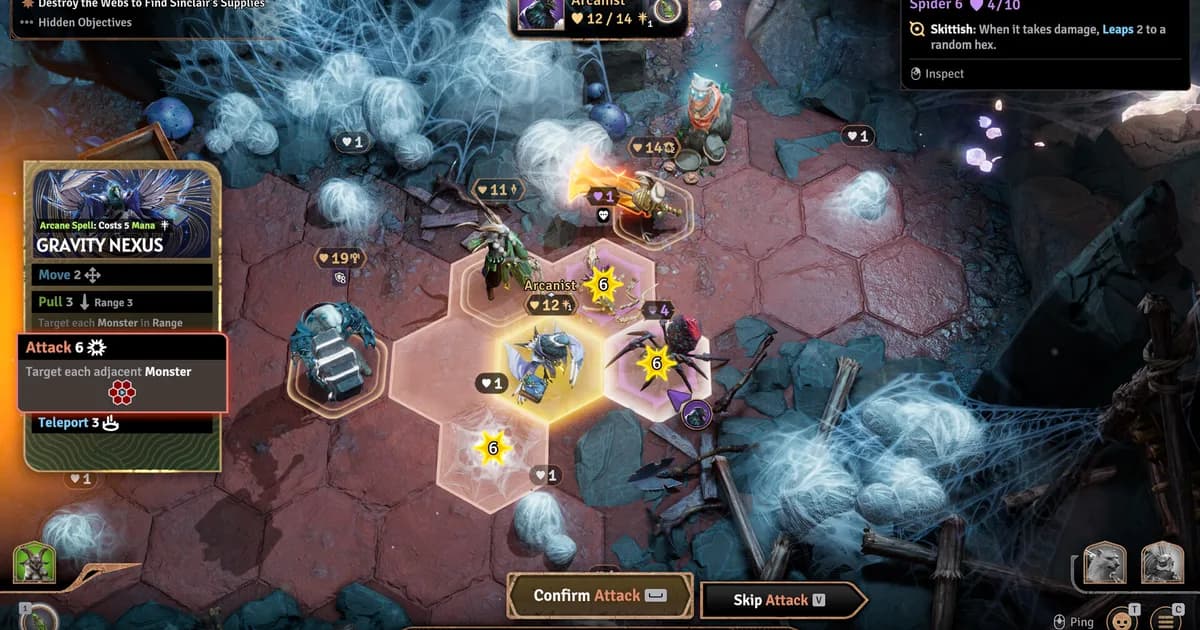
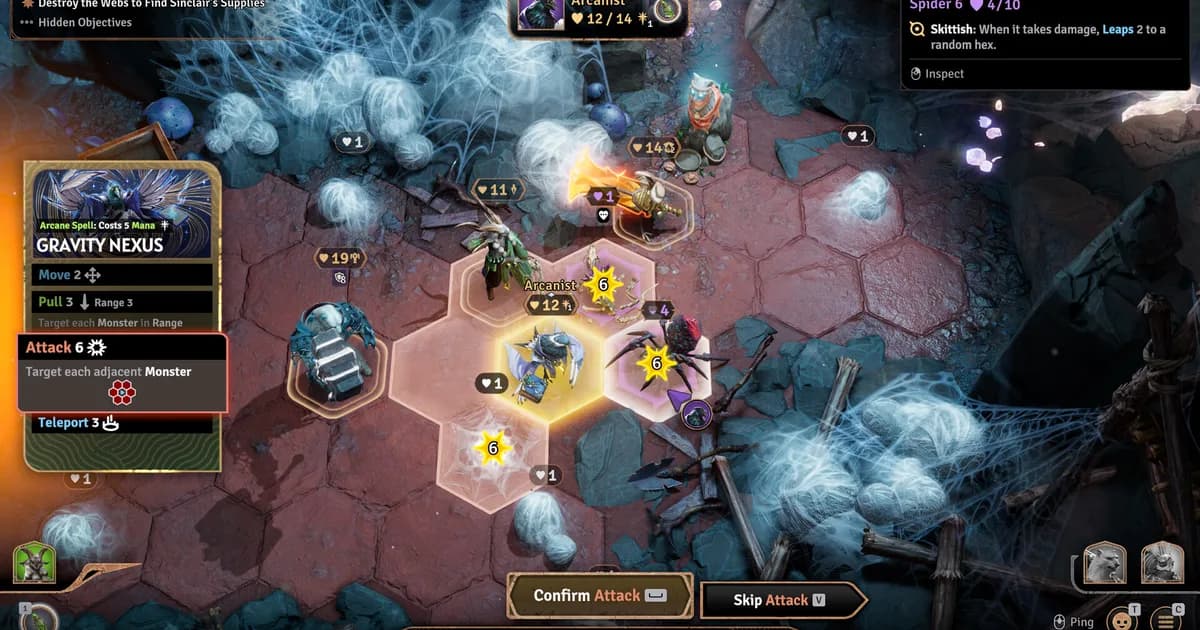
Arcanist: control-damage mage. Teleport abilities let the Arcanist reposition enemies and allies. Requires spatial planning to get full value but rewards it. The official Update 2.0 notes list Arcanist bug fixes, not a teleport-range rework.
Pyromancer: Area damage dealer. Firepower rewards moving onto Fire before a key attack. Fragile, it needs the Berserker or Vanguard between it and the enemy line. Strong when the party can create useful line, cone, or area target shapes.
Ranger: ranged damage and debuffer. Positioning isn't as demanding as the Arcanist because you're just staying at range. Second-best solo class, strong A tier in groups.
Rogue: burst assassin. Stealth positioning into single-target burst is the archetype. Mechanically strong, but setting up the stealth combo requires reading the whole room before acting, a skill that takes multiple runs to develop. C tier for most players, much higher for experienced ones.
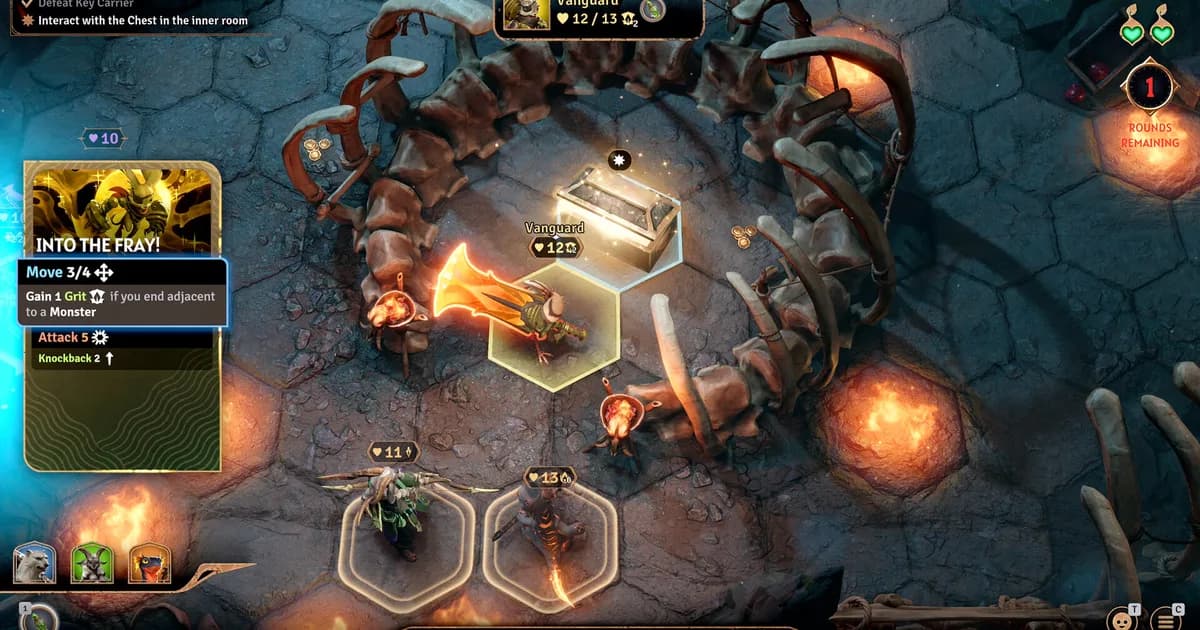
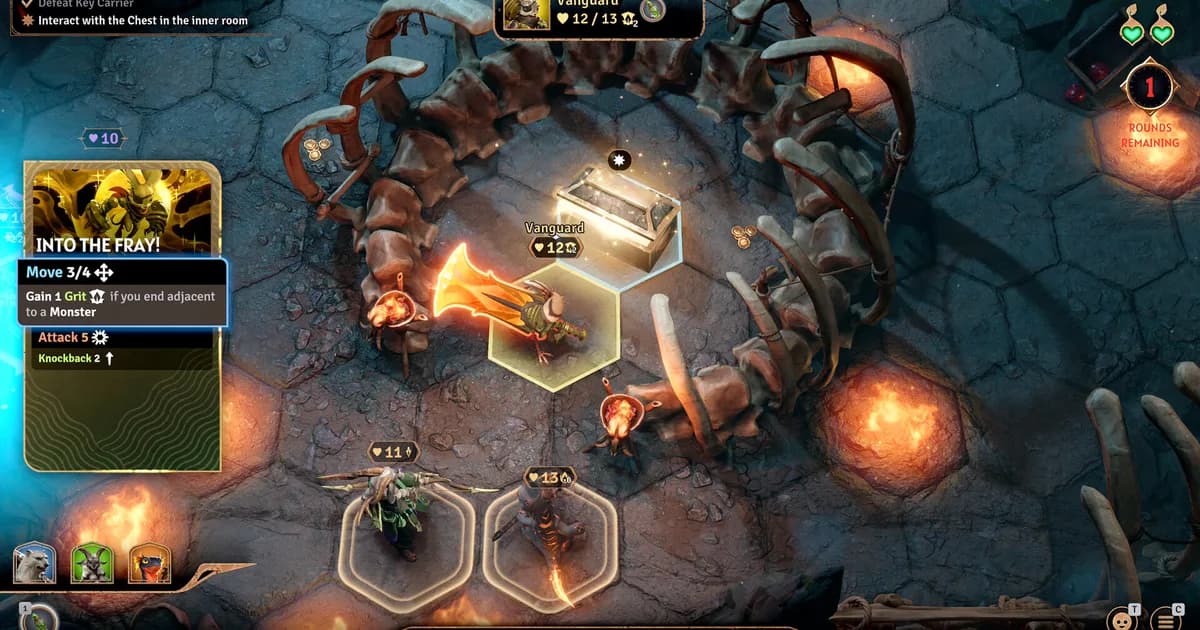
Vanguard (Update 2.0): retaliation tank. Certain Skill Cards build Grit. While Grit is active, Vanguard takes less damage and deals more; an enemy hit can trigger retaliation and remove a stack. In long attrition fights, the retaliation damage compounds significantly. Works well alongside Pyromancer: keep enemies in the fire and let the Vanguard hold the frontline while its Grit is active.
GODEEPER: Full tier rankings for all 7 heroes (including the 2.0 Vanguard), Bard vs Berserker matchup analysis, and what changed in patch 2.0.9. Sunderfolk Class Tier List: All 7 Heroes Ranked →
- Sunderfolk Arcanist Guide: Teleport Builds and Tips 2026: Sunderfolk Arcanist guide: teleport repositions enemies and allies. Pull combos, solo vs party builds, and...
- Sunderfolk Bard Guide: Music Note System and Best Builds: Sunderfolk Bard guide: music notes come from Two-Step swaps and cards, not free movement....
- Sunderfolk Berserker Guide: Protector: Sunderfolk Berserker guide: Protector
- Sunderfolk Pyromancer Guide: Fire Builds and AoE Tips 2026: Sunderfolk Pyromancer guide: Firepower fuels area damage, but the class dies fast. Correct positioning,...
- Sunderfolk Ranger Guide: Range Builds and Party Tips 2026: Sunderfolk Ranger guide: A tier ranged damage and traps. How to maintain distance, what to...
- Sunderfolk Rogue Guide: Stealth Builds and Tips 2026: Sunderfolk Rogue guide: C tier for most players, technically powerful for experienced ones. Shroud timing,...
- Sunderfolk Vanguard Guide: Grit, Retaliation, Best Builds: Sunderfolk Vanguard guide: the Update 2.0 retaliation tank with Grit and conditional retaliation.
Party composition: what to bring by group size
Solo: Berserker. You're managing everything yourself, and Protector's Fury is a passive that works without coordination. Ranger is the second choice if you want a ranged playstyle.
2 players: Berserker + Bard. The Berserker handles all frontline work; the Bard's Two-Step swaps and note cards buff both players without needing a third hero to make a note worthwhile. This combination clears most encounters without requiring high mechanical precision.
3 players: Berserker + Bard + Arcanist or Ranger. The third slot depends on what your group wants. Arcanist adds control that makes the Berserker's job easier. Ranger adds consistent ranged damage without fragility concerns. Both are strong.
4 players: Berserker, Bard, one damage dealer (Pyromancer or Ranger), and a flex slot. The Vanguard is a strong flex option in a four-player group because the retaliation damage compounds more meaningfully when you can position four players to protect them.
The thing to avoid: two Rogues or Rogue + Pyromancer without a frontline. Both classes need someone else absorbing damage while they do their thing. Running two squishy classes without a Berserker or Vanguard creates positioning problems from the first room.
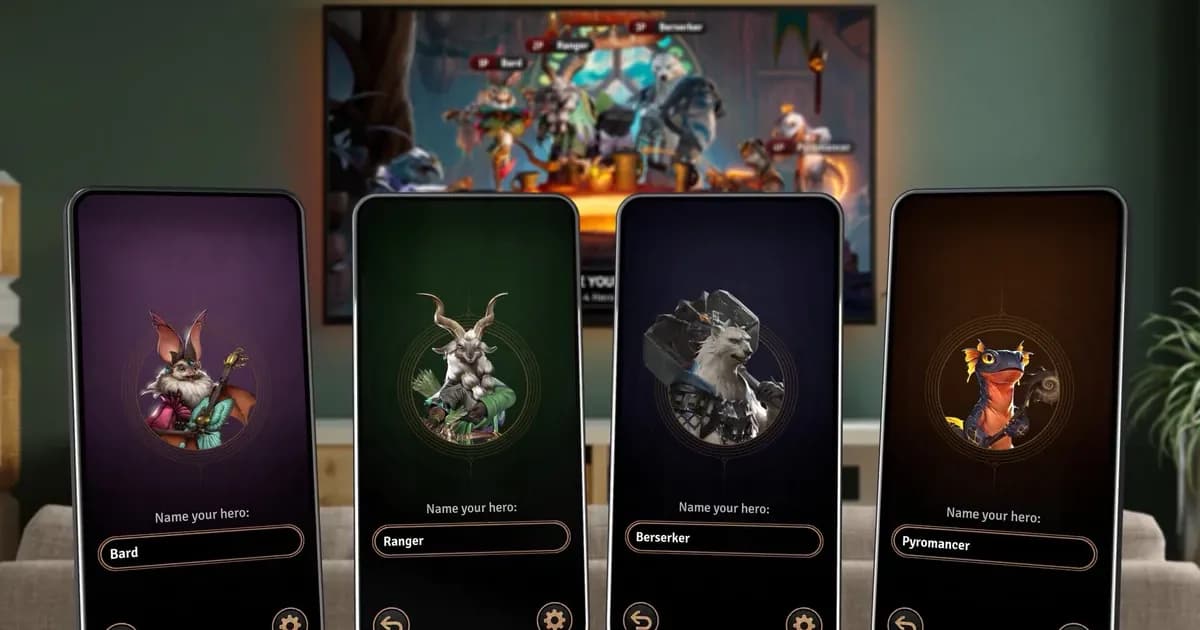
Couch co-op in practice: each player locks in a class on their own phone while the TV shows the full party forming up. This is the setup Sunderfolk was clearly built around first.
- Sunderfolk Beginner Guide: Best Classes and Party Tips: Sunderfolk beginner guide covering all 7 classes including Vanguard, the best 2-4 player party compositions,...
Co-op setup: online and local
Online co-op launched in Update 2.0 (March 10, 2026). Patch 2.0.9 later added Steam Networking as an optional improvement, and Patch 2.0.10 fixed a rare duplicate-player personal-screen issue, a negative-gold Post Office exploit, and an initial loading hang. It falls back to Dreamhaven's cross-platform networking if Steam connectivity is unavailable. Before Update 2.0, online play was not natively supported. If you tried co-op before March 2026 and had connection issues, the current version is worth trying again.
For local co-op, the phone app setup takes about five minutes. Everyone downloads the free Sunderfolk app from their phone's app store, the host starts a session on PC, and players connect via the same Wi-Fi network. Each player's phone shows their card hand, available actions, and movement options. It works well enough that it's clearly the intended way to play the game on a couch.
Online co-op via the app works too: players connect over the internet to the host's Steam session rather than local network. Performance depends on the host's connection, but Sunderfolk's turn-based structure means latency matters less than it would in a real-time game.
GODEEPER: Full online co-op setup walkthrough, connection error fixes, and what the 2.0.9 patch changed about multiplayer. Sunderfolk Online Co-op Guide →
The Vanguard: Update 2.0's retaliation tank
The Vanguard is worth a separate mention because it changes how you think about the frontline.
Berserker absorbs damage and deals it. Vanguard uses certain Skill Cards to build Grit, then takes less damage and deals more while Grit is active. An enemy hit can trigger retaliation and remove a Grit stack, so dense encounters can generate significant retaliation damage over time without making every hit a free counter.
The strategic difference: Berserker wants to be adjacent to priority targets and hit them directly. Vanguard wants to be adjacent to as many enemies as possible and let them attack first. This inverts the normal tank logic. In a group, you'd position the Vanguard in a chokepoint where several enemies have to walk through, then protect the Vanguard while they accumulate retaliation counters.
In solo, the Vanguard is harder to use effectively than the Berserker because you're managing positioning without teammates to cover your back. For new players, Berserker first, Vanguard after you understand how the combat system works.
The town hub between dungeon runs. Every currency and card upgrade discussed above gets spent here, at the Workshop and the other buildings shown.
How the card system works
Sunderfolk's card system is what separates it from traditional tactical RPGs. Each class has a fixed card pool (not a deck you shuffle, but a hand you manage). You draw a hand at the start of each encounter, play cards over multiple rounds, and discard them. Cards don't come back until you rest. This means your decisions compound across a dungeon floor: spend your best cards early and you'll be playing conservatively by the third room.
The key tension is between using strong cards now versus saving them. Every class handles this differently. Berserker cards tend to be high-value individually, so spending them freely is usually fine. Bard cards generate notes regardless, so the Bard's hand management is less about saving and more about sequencing. Arcanist players have to think two rooms ahead: a teleport card used for repositioning now might be the card that saves the run in the boss room.
Card upgrades persist between runs. After each scenario, you choose new cards to add to each hero's pool or upgrade existing ones. Over multiple sessions, the pool evolves: early runs use the base set, later runs reflect choices you've made. This is Sunderfolk's long-term progression loop, and it's what makes replaying scenarios interesting rather than repetitive.
One thing new players miss: you don't have to play a card each round. Passing preserves your hand state and can be the right call when you don't have a good action but don't want to commit to a bad one.
Difficulty and encounter scaling
Sunderfolk scales encounter difficulty based on party size. A solo run and a four-player run are different experiences, not just in power but in encounter design. Some rooms have enemies positioned to require splitting attention across multiple threats, manageable with four heroes but brutal with one. Conversely, solo play with Berserker or Ranger is a real option because those classes don't rely on teammates to generate their value.
Difficulty also scales with your card pool progression. Early runs use basic cards; later runs have stronger versions unlocked. If you find the first few scenarios easy, they get harder as the dungeon floors advance and enemy density increases. The game isn't designed to be cleared in one session. A full campaign takes multiple sessions, and each scenario is self-contained enough that you can stop and continue later without losing progression.
The game tracks which scenarios you've completed and adjusts what's available next. There's no free exploration mode where you revisit cleared content without purpose: every scenario is part of the campaign progression or a side challenge with a specific unlock reward.
One detail that surprises players coming from other tactical games: enemy behavior in Sunderfolk is deterministic, not random. Enemies follow fixed priority rules based on position and aggro. Once you learn those rules for each enemy type, you can predict exactly where they'll move and plan around it. That's what experienced play looks like: not reacting to what enemies do, but already knowing and positioning accordingly.
Common first-run mistakes
Skipping Two-Step and note cards. Music notes come from Two-Step (the Bard's swap ability) or specific Bard cards and trinkets, not from moving around the board. Players who treat the Bard as a plain damage class and never use Two-Step or a note card generate almost no notes and get half the value from S-tier kit. Use Two-Step or a note card most turns. Notes follow.
Splitting the party too early. Sunderfolk's encounter design assumes the party is clustered enough that the Bard's notes reach everyone. Spreading across a large room breaks the Bard's value and leaves fragile classes without the Berserker nearby when something charges them.
Playing the Rogue before you understand the map. The Rogue's stealth combo requires timing a disengage away from every monster before enemies activate. In a room you've never seen, you don't know how much open space you'll have. The Rogue is much stronger in replayed scenarios where you already know the room layout.
Using all your strong cards on the first room. Room one is rarely where you need to peak. Save your best cards for the floor boss and use baseline actions for clearing trash.
All Sunderfolk guides on this site
- All Sunderfolk coverage: every Sunderfolk guide, review, and news post published on GameBrief, in one index.
Starting out:
- Sunderfolk Beginner Guide: Best Classes and Party Tips: first-run picks, party composition by group size, and the three things new players get wrong in the first dungeon.
Classes:
- Sunderfolk Class Tier List: All 7 Heroes Ranked 2026: full tier rankings with Bard and Berserker matchup analysis and what patch 2.0 changed.
- Sunderfolk Berserker Guide: Protector's Fury and Best Builds: how Protector's Fury works (damage reduction and damage boost simultaneously), throw as a positioning tool, and best builds for solo and group play.
- Sunderfolk Bard Guide: Music Note System and Best Builds: how music notes work, why Two-Step and note cards (not movement) are the trigger, and the positioning habit that separates good Bards from wasted S-tier potential.
- Sunderfolk Vanguard Guide: Grit, Retaliation, Best Builds: Fighting Spirit and Grit mechanics, retaliation counter math, best party pairings, and when to pick Vanguard over Berserker.
- Sunderfolk Arcanist Guide: Teleport Builds and Tips 2026: how teleport repositioning works, Pull vs Teleport card priority, best party synergies, and why Arcanist requires multiple runs to master.
- Sunderfolk Pyromancer Guide: Fire Builds and AoE Tips 2026: how Firepower works, area-damage card priorities, frontline requirements, and how to set up safe Fire.
- Sunderfolk Ranger Guide: Range Builds and Party Tips 2026: A tier ranged damage dealer, trap and area-denial tools, solo viability, and why Ranger plus Arcanist is the tactical alternative to Berserker plus Bard.
- Sunderfolk Rogue Guide: Stealth Builds and Tips 2026: Shroud timing, card priority, why the Rogue is C tier for beginners and significantly stronger for experienced players.
Co-op:
- Sunderfolk Online Co-op Guide: Setup, Fixes, and Party Tips: Steam Networking setup, phone app connection walkthrough, common errors, and party coordination tips for online groups.
References
- Sunderfolk on Steam: official store page, patch notes, update history
- r/Sunderfolk: community discussion, class build sharing, patch reaction threads
- The official Steam page currently shows Sunderfolk at $19.99 in a 60% US sale from a $49.99 list price; local-currency prices vary. Loaded (sponsored) still lists a Sunderfolk Steam key in stock and is worth checking against the current Steam price.
- Sunderfolk hero roster: the original six heroes and the current class index
- Sunderfolk Vanguard: official Grit, Knockback, and Update 2.0 details
- Sunderfolk Patch 2.0.10: current patch fixes for multiplayer and loading issues
Frequently Asked Questions
How many classes are in Sunderfolk? Seven: Berserker, Arcanist, Bard, Pyromancer, Ranger, Rogue, and the Vanguard added in Update 2.0. The original 6 shipped with the game. Certain Vanguard Skill Cards build Grit; while it is active, Vanguard takes less damage and deals more, and an enemy hit can trigger retaliation while removing a stack.
Do you need a phone to play Sunderfolk? No. Keyboard and mouse works for every mode. The free phone app is an optional controller designed for couch co-op, where each player sees their hand on their own screen. Online co-op (launched in Update 2.0, with Steam Networking added in patch 2.0.9) works with both PC controls and the phone app.
What's the best class for a first run? Berserker. High damage, built-in damage reduction, straightforward positioning. You don't need to read the room as carefully as you do with Rogue or Arcanist, and you won't be fragile the way Pyromancer is. Bard is S tier overall, but its value multiplies with team size. For solo or duo first runs, Berserker is more consistent.
How many players does Sunderfolk support? One to four. Online co-op launched in Update 2.0 (March 10, 2026). Patch 2.0.9 added Steam Networking as an optional improvement, with fallback to Dreamhaven's cross-platform service if Steam is unavailable. Local co-op supports up to 4 players using the phone app as individual controllers.
Is Sunderfolk free? It was free on the Epic Games Store from May 14 to May 21, 2026. At full price on Steam, it's worth it for groups who'll play multiple runs. Solo players should know the game is designed around co-op even if solo is fully viable.
What is the Vanguard's Grit ability? Certain Vanguard Skill Cards build Grit. While Grit is active, Vanguard takes less damage and deals more. An enemy hit can trigger retaliation and remove a stack, making the Vanguard most effective in chokepoints where enemies can keep attacking it while its resource is active.
Related Reading
About the author

GameBrief's byline for metroidvanias, RPGs, comparisons and design history. Places each game in its genre and argues both sides before picking one.
- Metroidvanias and RPGs
- Comparisons and design history
- Sources listed per article
Keep reading
Sunderfolk Berserker Guide: Protector's Fury and Best Builds
General · 8 min
Sunderfolk Bard Guide: Music Note System and Best Builds
General · 7 min
Sunderfolk Vanguard Guide: Grit, Retaliation, Best Builds
Guides · 7 min
Sunderfolk Arcanist Guide: Teleport Builds and Tips 2026
General · 13 min
Sunderfolk Pyromancer Guide: Fire Builds and AoE Tips 2026
General · 16 min
Sunderfolk Online Co-op Guide: Setup, Fixes, and Party Tips
Guides · 8 min
Sponsored
Disclaimer
This article is published for informational and entertainment purposes. It does not constitute professional financial, legal, or technical advice. Game performance, online services, patch schedules, and store listings change. Verify critical details (pricing, system requirements, regional availability) with publishers and storefronts before you buy. Affiliate links, where present, help support our editorial work and are labelled in our affiliate disclosure.
Comments
Loading comments…