
GuideSunderfolk
Sunderfolk Ranger Guide: Range Builds and Party Tips 2026
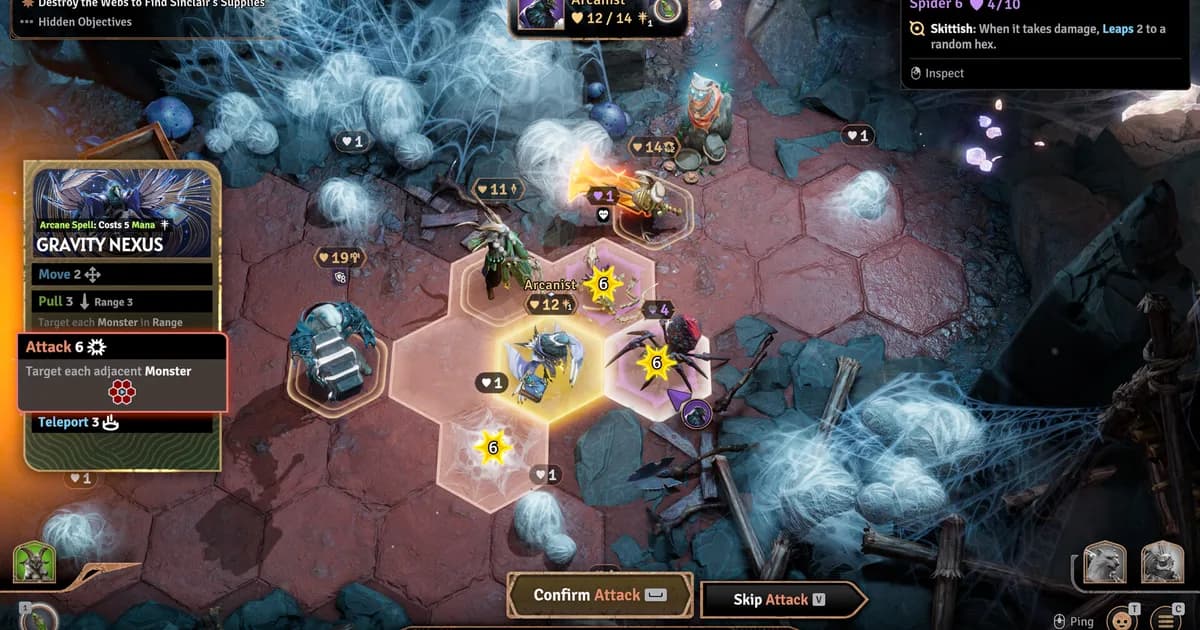
The Sunderfolk Ranger isn't the flashiest class. The Arcanist teleports enemies mid-air. The Pyromancer creates Fire and spends Firepower on stronger attacks. The Ranger shoots the priority target, drops a vine trap on the approach path, and then repositions before the next enemy can close in.
Sponsored

About the game
Sunderfolk
Secret Door · Dreamhaven
That reliability is the point. The Ranger is the class that performs well in every encounter type because it doesn't need corridors or specific groupings to deal damage. It just needs a clear line and distance.
Updated 2026-10-05: Corrected the Ranger's Pyromancer comparison, vine behavior, and screenshots using current Dreamhaven and Sunderfolk Wiki references.
TL;DR: Ranger is A tier: high single-target damage at range, trap and area-denial tools, durable enough to survive a mistake. Second-best solo class. The key skill is maintaining distance from fast-closing enemies and correctly identifying which threat to prioritize each turn. Good for players who cleared their first run with Berserker and want a ranged class without Pyromancer's fragility.
BESTPRICE: Want Sunderfolk? These stores list it: Buy on Eneba → Buy on Humble Bundle → Buy on Loaded → Buy on Gameseal → Buy on Kinguin →
Sunderfolk Ranger: quick answer
The Ranger deals single-target damage from range, supplements it with traps and area denial, and is durable enough that one positioning mistake doesn't end your run. It doesn't have the Berserker's melee power or the Pyromancer's AoE ceiling, but it's consistent across all encounter types and works effectively in solo, duo, and full four-player groups.
A tier. Second-best solo class. Genuinely good second pick for players who already understand the basics from a Berserker run.
GODEEPER: Full tier rankings for all seven Sunderfolk classes, Bard vs Berserker matchup analysis, and what patch 2.0.9 changed. Sunderfolk Class Tier List: All 7 Heroes Ranked 2026 →
Sponsored

Key takeaways
- Ranger is A tier: consistent single-target damage, area denial, survivable positioning
- Core skill: maintain distance from fast-closing enemies
- Upgrade at the Forge early to remove dead draws from your card pool
- Priority targeting rule: always aim at the enemy advancing toward your squishiest teammate
- Best 4-player party: Berserker, Bard, Pyromancer, Ranger (covers all roles)
- 2-player alternative to Berserker plus Bard: Ranger plus Arcanist
- Good second-run class; Berserker is still the better first pick for absolute beginners
Step-by-Step: Playing the Ranger Each Turn
1. Confirm your Precision requirement: The Ranger's passive, Precision, adds bonus damage and a debuff when the shot meets its range condition, so check the card's range before committing rather than firing from a suboptimal hex.
2. Identify the priority target: Scan for the enemy advancing on your squishiest ally and plan to hit that target first, not whichever enemy is simply closest to you.
3. Open with Nock Back or Piercing Arrow: Nock Back pushes a target 3 hexes and can plant Vines to root enemies or aid ally movement. Piercing Arrow is a line attack that can fire from up to 5 hexes away.
4. Lay Snaring Vines or Wild Bloom before enemies close in: Snaring Vines creates 3 Vines within 3 hexes, while Wild Bloom attacks a small area and creates 2 Vines in empty hexes within it. Vines root monsters that move onto them, so place them on likely routes.
5. Reposition with Spring Step when an enemy is about to reach you: It attacks, applies Slow, and lets you leap away. Landing clear of monsters grants Haste and Strength for your next move.
6. Debuff before the frontline commits: Scout Ahead attacks, moves you, and applies Expose to up to 2 enemies, softening targets your Berserker or Pyromancer will follow up on.
7. Close with Snipe once you're levelled: The Ultimate grants 3 hexes of movement and heavy single-target damage that stacks with Strength buffs and Precision, best saved for a priority target you've already debuffed.
How the Ranger works: damage and distance
The Ranger deals damage through single-target range attacks. It doesn't require the Berserker's adjacency, the Arcanist's board reading, or the Pyromancer's enemy clustering. Pick the priority target, draw a card, deal damage. That's the base loop.
What makes it work is vine placement and area denial. The Ranger's Vines root monsters that move onto their hex, while a hero or ally moving onto one gains +1 Move immediately. That control can buy time for your damage output to compound. In corridor encounters, place Vines on the approach path before melee contact. In open rooms, use them on likely routes so an enemy that enters one is rooted rather than reaching your back line immediately.
The main challenge is distance management. Enemies close in fast in Sunderfolk, and the Ranger isn't built to absorb melee contact the way the Berserker or Vanguard is. One missed reposition against a fast-moving enemy and you're taking hits you can't absorb. The skill the class develops is predicting enemy movement: if you know an enemy will advance two hexes toward you, you need to have already moved two hexes back.
The Ranger also rewards card pool quality over card pool size. A hand full of single-target damage cards you can actually use is worth more than a diverse hand with a few dead draws. At the Forge between dungeons, prioritize removing cards that require positions you can't maintain at range; the Sunderfolk beginner guide explains the broader card and town-upgrade loop.
Card priority: single-target first
Single-target damage cards are your main output. Prioritize cards with high damage on single targets over area cards, unless the area card covers the line between you and the approaching enemy. You're the cleanup class: the Berserker holds the frontline, the Bard buffs, the Pyromancer clears clusters, and you're finishing targets that survived or handling the priority threats the others can't reach.
Trap and area denial cards are your second priority. The value of these cards isn't the damage they deal. It's the turns they buy. A trap placed correctly at the start of an encounter can redirect multiple enemies away from you without spending damage output. Think of them as positioning tools, not damage tools.
Movement cards are situational. In encounters where the room layout corners you, movement cards are high priority. In corridor fights where you're already in position, they're low priority. Evaluate movement cards based on the encounter you're in, not your default preference.
What to avoid: cards that require the Ranger to be adjacent to enemies. If a card only functions at melee range, the Ranger can't reliably trigger it without taking hits it wasn't designed to absorb.
Ranger fits into almost any group size. In a four-player couch session with phone controllers, the Ranger handles priority threats while frontline classes hold enemy attention.
Party synergies
Ranger plus Berserker (2 players): This works because the roles don't overlap. The Berserker holds melee, absorbs damage, and keeps enemies occupied. The Ranger deals damage from behind them and handles anything that breaks through. You lose the Bard's passive multipliers compared to Berserker plus Bard, but the Ranger's single-target output partially compensates.
Ranger plus Arcanist (2 players): The tactical alternative. Instead of a tank holding the frontline, the Arcanist repositions enemies away from you both while the Ranger deals damage. More flexible but more fragile than Berserker plus Bard or Berserker plus Ranger. Good for players who want a thinking-heavy playstyle over a brawling one.
Berserker plus Bard plus Ranger (3 players): Strong. The third slot is between Ranger and Arcanist, and both work. Ranger adds consistent ranged damage without introducing fragility concerns. If your group wants to think less about positioning and just deal damage reliably, Ranger is the safer third pick.
Berserker plus Bard plus Pyromancer plus Ranger (4 players): The canonical endgame composition. Each class fills a specific role: Berserker holds the enemy line, Bard uses Two-Step and note cards to buff the group, Pyromancer clears clusters, Ranger finishes priority targets. This is the composition the game seems balanced around. It works because the damage types complement each other: the Ranger's single-target output pairs with the Pyromancer's AoE instead of competing with it. Compare that role split with the Sunderfolk complete guide before locking in a party.
GODEEPER: How the Berserker's Protector's Fury mechanic makes it the natural frontline partner for Ranger groups, and why Berserker plus Ranger is a strong two-player pairing. Sunderfolk Berserker Guide: Protector's Fury and Best Builds →
Ranger in solo play
Solo mode gives you two heroes. Ranger plus Berserker is the strongest duo for most players: the Berserker handles all frontline work while the Ranger deals damage from behind. Simple role division, strong output.
Ranger plus Arcanist in solo works too, but it demands more from you. You're managing the Arcanist's board positioning and the Ranger's distance simultaneously. In corridor encounters it's highly effective. In open rooms where enemies can approach from multiple angles, you're micromanaging both heroes' distances from threats constantly.
The specific thing to manage in solo Ranger play: your two heroes need to not be adjacent to each other when enemies are moving. If both heroes end up side by side, enemies targeting the squishier one (usually the Ranger) will path through the Berserker, which forces the Berserker to absorb incidental contact while the Ranger also takes hits. Keep them separated so enemy pathing targets the Berserker first.
For players who want simpler solo: Berserker plus Ranger is more straightforward than any two-mage combination. If you want even simpler, solo Berserker plus Bard handles most encounters on Two-Step and note-card synergy alone.
When not to pick Ranger
Skip the Ranger when your group has no frontline. Two ranged classes, including the Ranger and Pyromancer, without a Berserker or Vanguard means both of you are kiting enemies instead of holding them. The Ranger isn't fragile like the Pyromancer, but it still can't absorb a full enemy turn the way a Berserker can.
Skip the Ranger on your first run if you want the simplest possible experience. Berserker gives you clearer moment-to-moment feedback: enemies get close, you hit them, they die or go down. The Ranger requires distance awareness that takes a little time to develop. It's not hard, but Berserker is genuinely easier.
The Ranger's Piercing Arrow card shows how a line attack can reach several enemies across a mine-track battlefield.
Related Reading
- Sunderfolk Complete Guide: All 7 Classes 2026: full party composition reference at every group size, how Ranger fits against the other A-tier option (Arcanist), and where each class fits in the overall cluster.
- Sunderfolk Class Tier List: All 7 Heroes Ranked 2026: full tier rankings with Ranger vs Arcanist A-tier comparison and what changed in patch 2.0.9.
- Sunderfolk Berserker Guide: Protector's Fury and Best Builds: the frontline class that enables Ranger's ranged playstyle, how adjacency mechanics work, and when Berserker outperforms Ranger for solo.
- Sunderfolk Arcanist Guide: Teleport Builds and Tips 2026: the other A-tier class, why Arcanist plus Ranger is a strong tactical two-player pairing, and how Arcanist sets up the positions Ranger exploits.
- Sunderfolk Pyromancer Guide: Fire Builds and AoE Tips 2026: how Pyromancer's AoE damage profile differs from Ranger's single-target output, and why running both in a four-player group covers all damage situations.
- Sunderfolk Bard Guide: Music Note System and Best Builds: Sunderfolk Bard guide: music notes come from Two-Step swaps and cards, not free movement. S tier in....
- Sunderfolk Vanguard Guide: Grit, Retaliation, Best Builds: Sunderfolk Vanguard guide: the Update 2.0 retaliation tank with Grit passive.
- Sunderfolk Rogue Guide: Stealth Builds and Tips 2026: Sunderfolk Rogue guide: C tier for most players, technically powerful for experienced ones.
- Sunderfolk Online Co-op Guide: Setup, Fixes, and Party Tips: Sunderfolk online co-op supports 1-4 players on Steam and Epic.
References
- Sunderfolk on Steam: official store page, patch notes, and class update history from Secret Door
- Meet Your Heroes: The Ranger: official Precision, Expose, Vines, card, and Snipe descriptions
- Sunderfolk Wiki: Ranger: current Ranger passive, card list, and base card effects
- r/Sunderfolk: community Ranger build discussions, solo pairing threads, and two-player composition debates
Frequently Asked Questions
Is the Ranger good in Sunderfolk? A tier. High single-target damage at range, trap and area denial, enough durability to survive a positioning mistake. Consistent across all encounter types, unlike the Pyromancer (which is geometry-dependent). Second-best solo class. Fits cleanly into the canonical four-player endgame composition as the priority-threat handler.
Is Ranger good for beginners? Good second pick. Berserker is still the easier first run because Protector's Fury is a passive that doesn't require distance management. Ranger's requirement is moderate: stay at range, identify threats, reposition before contact. It gives clearer feedback than Arcanist and is more forgiving than Pyromancer. If you did one Berserker run and want ranged, Ranger is the right next class.
What's the best Ranger build? Single-target priority with trap supplementation. Prioritize cards that deal high single-target damage from range and remove dead draws at the Forge early. Trap cards are your second priority: they buy turns, not damage. Movement cards are situational. Avoid any card that requires adjacent positioning.
Is Ranger good in solo? Second-best solo class. Ranger plus Berserker is the cleanest duo. The Berserker holds frontline, the Ranger deals damage. Ranger plus Arcanist works too but demands more micromanagement. Solo Berserker is still easier if you want the simplest experience.
What's the best party with Ranger? Four players: Berserker, Bard, Pyromancer, Ranger. Each covers a specific role, and the damage profiles don't overlap. Two players: Berserker plus Ranger (simple and effective) or Ranger plus Arcanist (tactical and flexible). Three players: Berserker, Bard, Ranger or Berserker, Bard, Arcanist (both work, Ranger is the safer third pick).
How does Ranger compare to Pyromancer? Different damage profiles with minimal overlap. Ranger deals consistent single-target damage in every encounter. Pyromancer deals high AoE damage in dense fights and low damage in scattered ones. They're complementary in a four-player group. Choosing between them for a third slot: pick Ranger if you want consistency, pick Pyromancer if your Berserker is great at controlling enemy clusters.
Was this guide helpful?
About the author

Indie & JRPG Desk
GameBrief's byline for indie, JRPG, visual novel and cozy games. Warm, direct, and willing to say which one to buy.
- Indie, JRPG and visual novels
- Early access and survival
- Sources listed per article
Keep reading
Sunderfolk Rogue Guide: Stealth Builds and Tips 2026
General · 16 min
Sunderfolk Pyromancer Guide: Fire Builds and AoE Tips 2026
General · 16 min
Sunderfolk Arcanist Guide: Teleport Builds and Tips 2026
General · 13 min
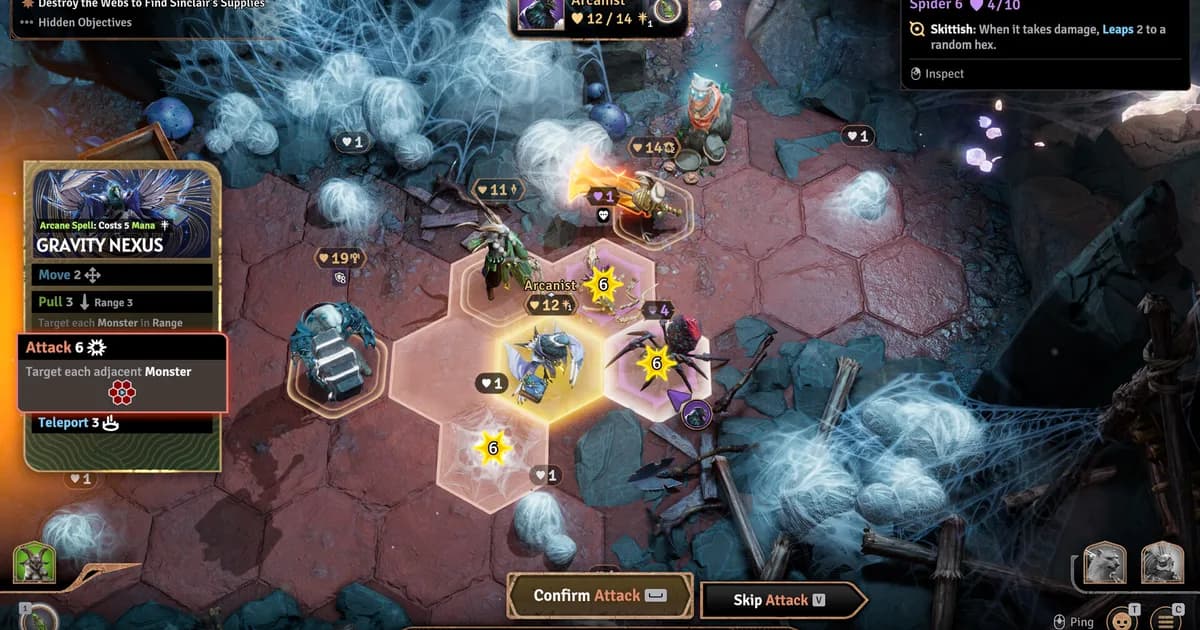
Sunderfolk Vanguard Guide: Grit, Retaliation, Best Builds
Guides · 7 min
Sunderfolk Bard Guide: Music Note System and Best Builds
General · 7 min
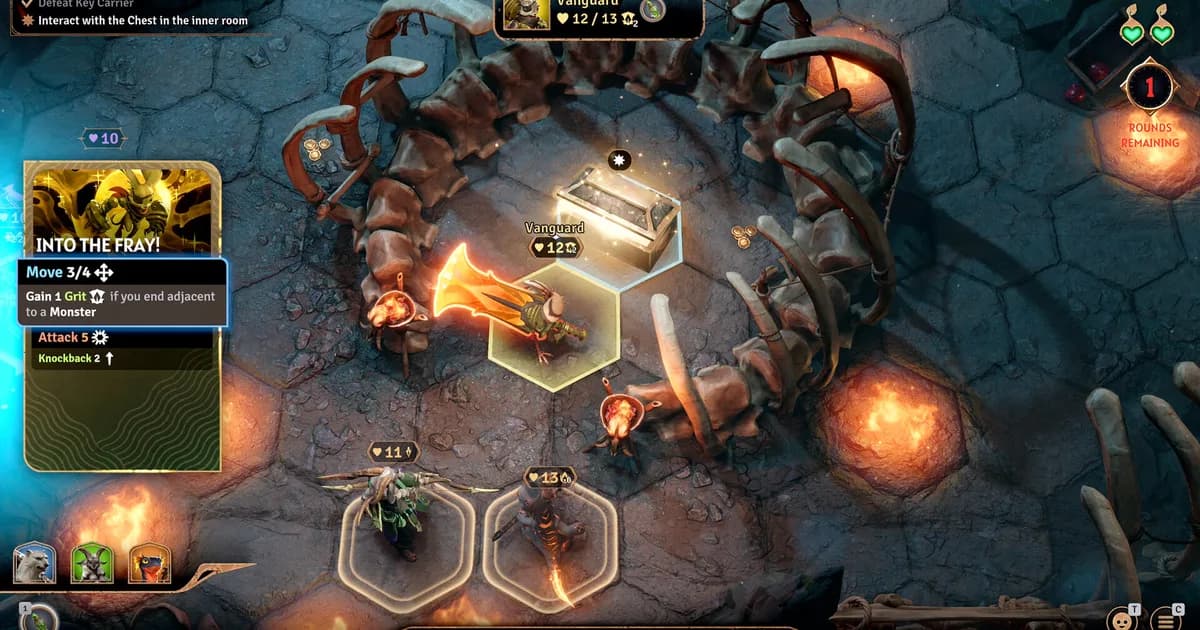
Sunderfolk Berserker Guide: Protector's Fury and Best Builds
General · 8 min
Sponsored
Disclaimer
This article is published for informational and entertainment purposes. It does not constitute professional financial, legal, or technical advice. Game performance, online services, patch schedules, and store listings change. Verify critical details (pricing, system requirements, regional availability) with publishers and storefronts before you buy. Affiliate links, where present, help support our editorial work and are labelled in our affiliate disclosure.
Comments
Loading comments…