
GuideSunderfolk
Sunderfolk Berserker Guide: Protector's Fury and Best Builds
The Sunderfolk Berserker works because there's no gap in its design. Protector's Fury grants Rage for one round when the Berserker takes damage, then reduces incoming damage and increases outgoing damage during that window. You do not choose between hitting harder or taking less damage: the same trigger starts both bonuses.
Sponsored

About the game
Sunderfolk
Secret Door · Dreamhaven
That clarity is why Berserker is the recommended first class in the Sunderfolk beginner guide. Most tactical RPG decisions carry hidden tradeoffs you don't understand until after you've made them. Berserker's main decision is positioning, and the answer is almost always the same: stay in melee, keep the enemy front line engaged. The class tier list explains where that frontline role fits among all seven heroes.
Updated 2026-10-05: Corrected Protector's Fury to its documented loop: taking damage grants Rage for one round, with damage and damage reduction while Rage is active.
TL;DR: Berserker is S tier and the best beginner class. Protector's Fury grants one round of Rage when the Berserker takes damage, including environmental damage. Rage increases damage and reduces incoming damage. Throw repositions enemies for your team. Best solo class. No healer required.
BESTPRICE: Want Sunderfolk? These stores list it: Buy on Eneba → Buy on Humble Bundle → Buy on Loaded → Buy on Gameseal → Buy on Kinguin →
Sunderfolk Berserker: quick answer
Berserker is S tier and the best frontline class in Sunderfolk. Protector's Fury grants Rage for one round when the Berserker takes damage, whether from an enemy or environmental damage, simultaneously cutting incoming damage and boosting outgoing damage. Self-sustain cards keep the Berserker alive in attrition fights without needing a healer. The throw ability doubles as a positioning tool.
For solo or beginner players, Berserker is the pick. For groups, Berserker fills a role no other class fills as well, and Bard amplifies its output passively.
Sponsored

Key takeaways
- Protector's Fury is a passive, not a card you play: taking damage grants Rage for one round, whether the source is an enemy attack or environmental damage like lava or fire
- Staying in melee is correct almost always. It's how the Berserker draws the hits that trigger Protector's Fury in the first place
- The throw is a positioning tool. Use it to move enemies into fire zones, clear flankers from allies, or cluster groups for your own follow-up attacks
- Berserker doesn't need a healer. Self-sustain handles attrition; use your party's other slots for damage or control
- Best 2-player pairing: Berserker plus Bard. Berserker absorbs everything while Bard's Two-Step and note cards buff both players
- Best 4-player comp: Berserker plus Bard plus Pyromancer plus Ranger covers every role without redundancy
How Protector's Fury works
Protector's Fury is the Berserker's passive ability. The Sunderfolk wiki documents the exact loop: when the hero takes damage, it gains Rage for 1 round; while Rage is active, the Berserker deals +2 damage and takes 1, 2, or 3 less damage depending on its passive level. Secret Door confirms that the trigger is damage, not positioning: "the only catch is that you need to be HIT first before it activates." Environmental damage such as lava and Fire also works.
This creates the Berserker's core loop. You want to be somewhere enemies can damage you, because taking damage starts a one-round Rage window. Standing in melee makes that likely, but the passive does not require adjacency. If Rage expires, another damaging hit is what starts the next window.
The tradeoff worth understanding: Protector's Fury needs damage to function. If enemies are being kited away or grouped somewhere the Berserker cannot reach, it is not getting hit and Rage cannot start. This is why the throw ability matters: it brings enemies to the Berserker or clusters them into melee range so the next hit is easier to plan around.
The throw ability: positioning, not just damage
Berserker can pick up and throw enemies. Most players use it as a damage card. That's fine, but the throw's real value is board control.
Move enemies into fire zones. If your party includes a Pyromancer, use the throw to move enemies onto active Fire patches. The Pyromancer places Fire and uses it for Firepower, while the Berserker delivers targets into the hazard. This is a high-value cross-class interaction and requires the Berserker to know where the Fire is.
Clear flankers from allies. When an enemy bypasses the Berserker and targets a Ranger or Pyromancer, throw it away from them. The Berserker's range on the throw is enough to remove an enemy from a fragile ally's adjacent tiles. This is the correct use of the throw in the first few turns of any encounter where enemies spread out.
Cluster enemies for follow-up attacks. Throw a distant enemy into melee range to cluster them with targets the Berserker is already hitting. Combined with Protector's Fury, the Berserker in the center of a cluster is in its strongest possible position.
Don't save the throw for when it deals the most raw damage. Use it when it solves a positioning problem, which is usually earlier in an encounter than later.
Positioning decisions do not stop when the dungeon run ends. What you build back in town between runs shapes how much the throw and every other Berserker card can do next time out.
GODEEPER: Full class tier list with Bard matchup analysis, how the S-tier pair performs in 2-4 player groups, and what changed in patch 2.0.9. Sunderfolk Class Tier List: All 7 Heroes Ranked →
Best Berserker builds
Sunderfolk's card-based system means your build is the cards you select from the Berserker's card pool across a run. The broad build directions:
Melee pressure build. Prioritize cards that deal damage in the adjacent tiles where Protector's Fury is active, and cards that extend the Berserker's ability to stay in melee without going down. Self-sustain cards (health recovery on attack, damage reduction stacks) fit here. This is the standard Berserker build and works in any group composition.
Board control build. Prioritize cards that reposition enemies: throw variants, knockback cards, anything that moves enemy units. This is more valuable in groups with Pyromancer, where the Berserker functions as the delivery mechanism for fire zone damage. Less effective in groups without AoE damage dealers because you're spending card slots on positioning without a partner to capitalize on it.
Mixed build. Split between melee pressure and a few control cards. The most common end state of a first run because Berserker's card pool is good enough that most combinations work, and new players often take whichever looks stronger card by card. This is fine: Berserker's floor is high enough that an unfocused build still clears most encounters.
For a first run: melee pressure build. It's the most self-contained, doesn't rely on teammate positioning, and Protector's Fury's dual benefit means you're effective regardless of how the group plays around you.
Berserker solo play
Berserker is the best solo class. The reason is Protector's Fury's self-sufficiency: damage reduction keeps you alive without a healer, damage boost keeps encounters moving without burst damage from a Ranger or Arcanist, and self-sustain cards extend runs without external support.
Solo play gives you fewer party members to cover mistakes, so encounters still require understanding what each enemy type does before committing to a position.
Two specific solo tips: spend early card choices on self-sustain to establish a survivability baseline before committing to pure damage cards, and use the throw proactively to break up multi-enemy approaches before they reach melee range. In solo, an enemy you threw backward is an enemy you don't fight this turn.
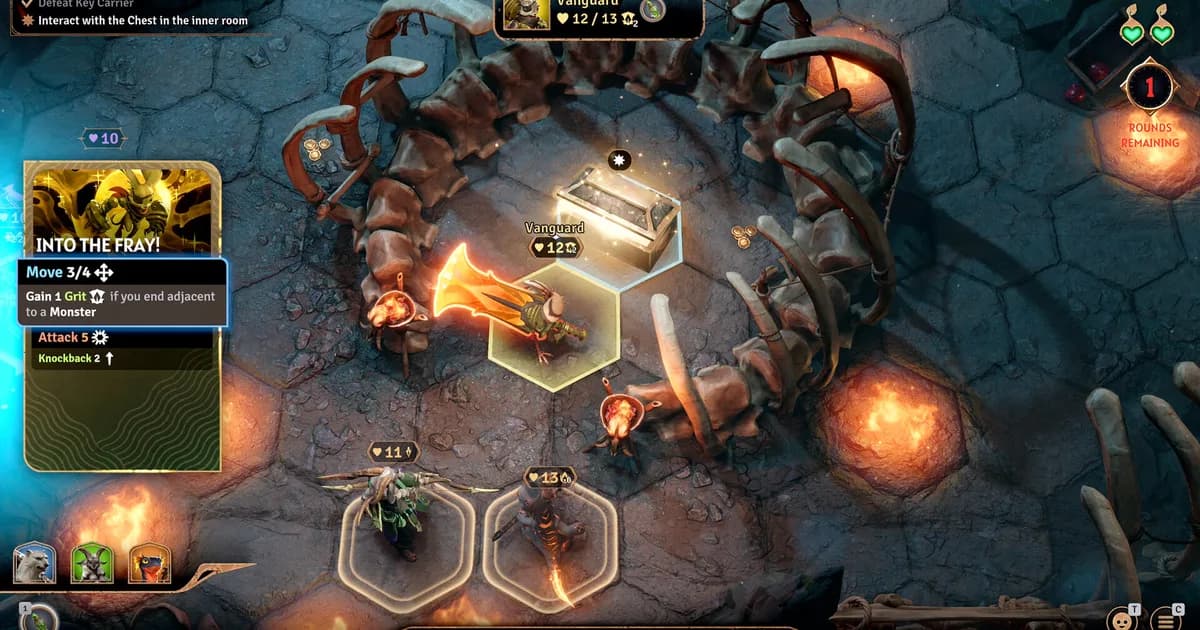
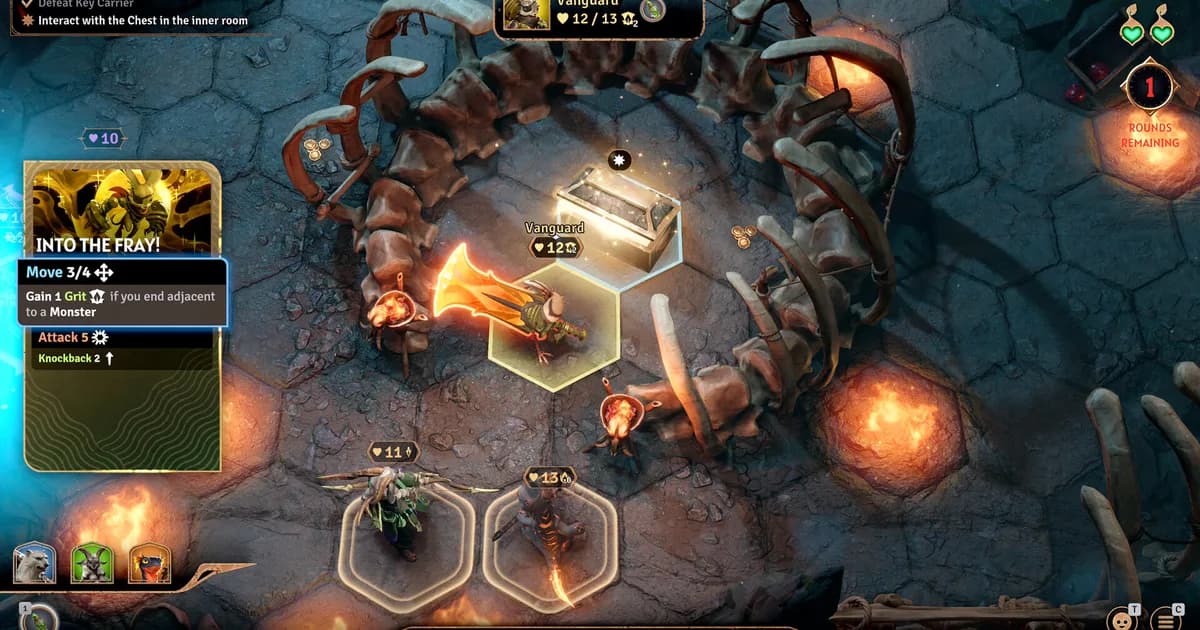
A dungeon chamber shows the Vanguard using Into the Fray beside a chest while two allies wait below.
Berserker in a group
In a group, Berserker's role simplifies: hold the front line, use the throw to support teammates, and let Protector's Fury handle survivability without consuming party resources.
With Bard: The Bard's music notes buff allies who reach them, but they only appear when the Bard uses Two-Step (its swap ability) or a note-generating card, not from ordinary movement. The Berserker is a genuinely good Two-Step target for this reason: it holds one tile in melee turn after turn instead of wandering the map, so the Bard always knows exactly where a swap will land a note. Position the Berserker in melee and let the Bard Two-Step into or near that tile most turns. Every Bard turn that lands a note there adds output on top of Protector's Fury. This is the strongest 2-player pairing in the game.
With Pyromancer: Throw enemies into Fire zones. The Pyromancer places Fire and builds Firepower from it; the Berserker delivers targets. Keep the Pyromancer behind you and call out when an enemy has flanked and needs removing.
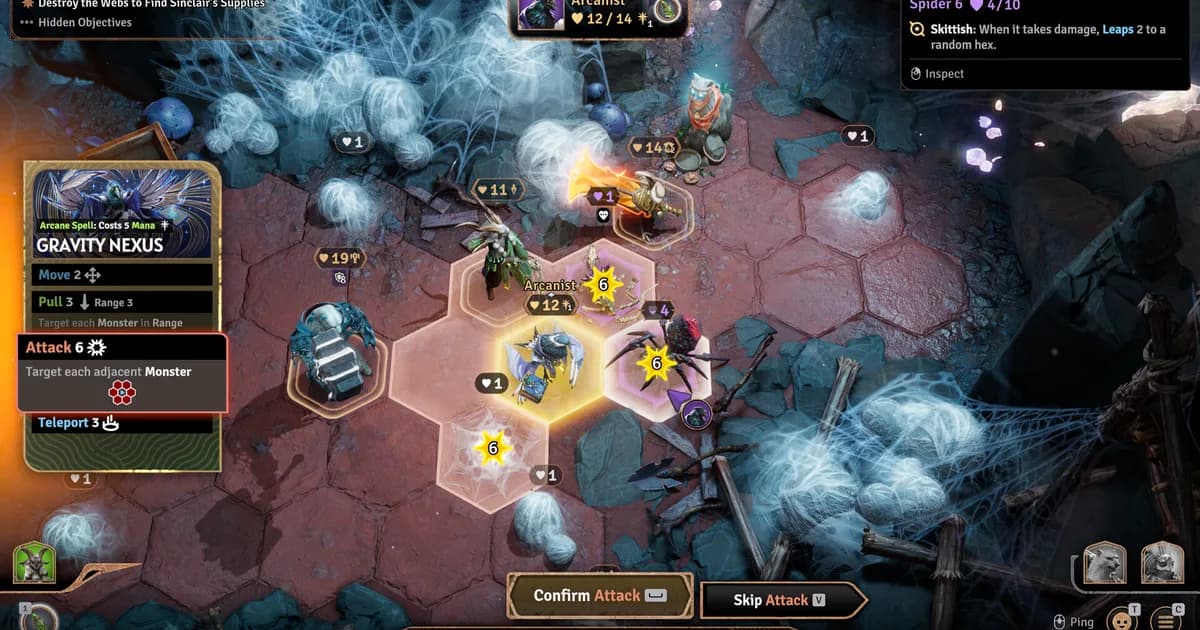
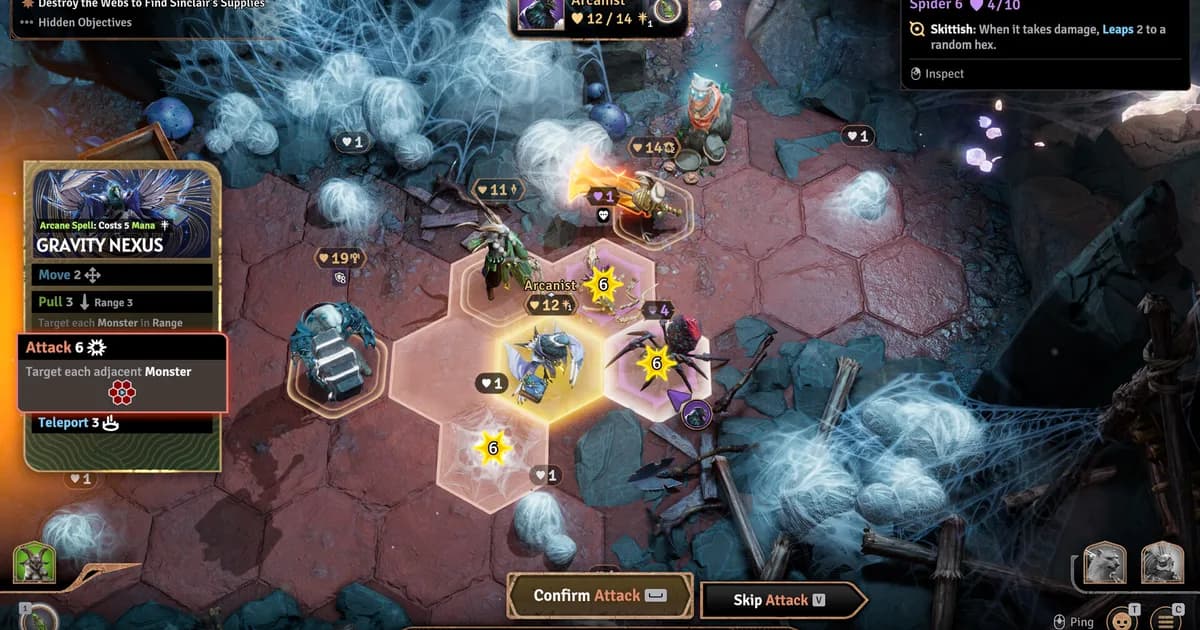
With Arcanist: The Arcanist can teleport enemies into melee range for the Berserker to engage, or teleport the Berserker closer to a priority target. Communication helps: the Arcanist's teleport is more valuable when the Berserker confirms which target they want adjacent.
With Ranger: No specific interaction needed. The Ranger handles ranged priority threats while the Berserker takes everything that reaches melee. The simplest 2-class split in the game.
GODEEPER: The Bard pairing works because Two-Step swaps land cleanly on an anchored frontline instead of a moving target. Sunderfolk Bard Guide: Music Notes and Best Builds →
Tips for Sunderfolk Berserker players
Protector's Fury does not care how many enemies are involved, only that the Berserker takes damage. In rooms with dense enemy clusters, staying in the center of a group makes it likely that a hit will start Rage early. Because Rage lasts one round, another hit can start a fresh window after it expires. Retreating after one hit can trade away the next trigger.
Card hands reset. Don't hoard specific cards thinking you'll need them later. Play the hand you have, solve the current room, and trust the next draw. Holding a self-sustain card in reserve while taking hits is usually worse than playing it immediately and dealing with the next problem fresh.
The throw's range is finite. Check the range indicator before committing to a throw targeting an enemy far from the Berserker's current tile. A throw that doesn't connect because it's out of range burns a card and doesn't accomplish anything.
Step-by-Step: Building Your First Berserker Run
1. Pick the melee pressure build: prioritize cards that deal damage in the adjacent tiles where Protector's Fury applies, plus a couple of self-sustain cards. It's the most self-contained build and doesn't rely on teammate positioning.
2. Walk into a reachable position on turn one: Protector's Fury only starts when you take damage, so standing where an enemy can reach you is what begins the loop. Do not hold back waiting for a safer opening.
3. Save the throw for positioning problems: use it to move enemies into a Pyromancer's fire zone, clear a flanker off a fragile ally, or cluster targets into your own melee range, not just for the raw damage number.
4. Remove weak cards before adding new ones: at the first few shops, cut a dead-draw filler card before buying anything. A smaller, consistent deck outperforms a bloated one.
5. Pair with Bard if you have a second player: the Berserker holding one tile in melee gives the Bard's Two-Step swap a predictable target to land a note on, the strongest 2-player combination in the game.
Related Reading
- Sunderfolk Complete Guide: All 7 Classes, Co-op Tips 2026: full hub with all 7 classes summarized, party compositions by group size, and links to every Sunderfolk guide on the site.
- Sunderfolk Class Tier List: All 7 Heroes Ranked 2026: tier rankings for every original class, Bard vs Berserker matchup analysis, and which class to pick for different group sizes.
- Sunderfolk Vanguard Guide: Grit, Knockback, and Best Builds: the Update 2.0 retaliation tank as a comparison point if you want a different frontline experience after mastering Berserker.
- Sunderfolk Beginner Guide: Best Classes and Party Tips: first-run overview covering class picks, party comp, and the three most common early mistakes.
- Sunderfolk Bard Guide: Music Note System and Best Builds: Sunderfolk Bard guide: music notes come from Two-Step swaps and cards, not free movement. S tier in....
- Sunderfolk Arcanist Guide: Teleport Builds and Tips 2026: Sunderfolk Arcanist guide: teleport repositions enemies and allies. Pull combos, solo vs party builds, and why patch 2.0....
- Sunderfolk Pyromancer Guide: Fire Builds and AoE Tips 2026: Sunderfolk Pyromancer guide: Firepower fuels area damage, but the class dies fast. Correct positioning, frontline requirements, and card priorities.
- Sunderfolk Ranger Guide: Range Builds and Party Tips 2026: Sunderfolk Ranger guide: A tier ranged damage and traps. How to maintain distance, what to target first, and....
- Sunderfolk Rogue Guide: Stealth Builds and Tips 2026: Sunderfolk Rogue guide: C tier for most players, technically powerful for experienced ones. Shroud timing, card priority, and when....
- Sunderfolk Online Co-op Guide: Setup, Fixes, and Party Tips: Sunderfolk online co-op supports 1-4 players on Steam and Epic.
References
- Sunderfolk on Steam: official store page, patch history, developer announcements
- Meet Your Heroes: The Berserker: Secret Door's Protector's Fury, environmental damage, and card overview
- Sunderfolk Wiki: Berserker: current Rage behavior, Throw effect, and Berserker skill-card list
- r/Sunderfolk: community builds, patch reaction threads, class discussion
Frequently Asked Questions
Is the Berserker the best class in Sunderfolk? Berserker is S tier alongside Bard. Both are S tier for different reasons: Bard's music notes are the best team multiplier, Berserker's Protector's Fury makes it the best frontline. For solo play or a first run, Berserker is the stronger recommendation because its value is self-contained and doesn't depend on reading teammate positioning.
What does Protector's Fury do? Protector's Fury grants Rage for 1 round when the Berserker takes damage, including lava or Fire. While Rage is active, the Berserker deals more damage and takes less. Staying where enemies can reach you is the simplest way to trigger a new Rage window.
What is the best Berserker build? Melee pressure build for most players: prioritize cards that deal damage in the adjacent tiles where Protector's Fury is active, plus self-sustain cards that extend survivability without a healer. Board control build works better in groups with Pyromancer where the Berserker throws enemies into fire zones.
Is Berserker good for solo play? Berserker is the best solo class. Protector's Fury handles damage reduction without a healer, and self-sustain cards handle attrition. The class can cover its own frontline and damage needs without party support.
What does the throw ability do? Throw picks up an enemy and repositions it. The primary uses: move enemies into Pyromancer fire zones, throw flankers away from fragile allies, or cluster enemies into melee range for the Berserker's Protector's Fury. It's a board-control ability. Use it when positioning needs fixing, not when it deals the most raw damage.
Does Berserker need healing in Sunderfolk? No. Protector's Fury's damage reduction and self-sustain cards handle attrition. This frees the rest of the party from dedicating card slots to keeping the frontline alive. Bard's Two-Step and note cards buff Berserker output further, but healing is not required to complete a run with the Berserker as your frontline.
Was this guide helpful?
About the author

Systems & Economy Desk
GameBrief's byline for roguelikes, strategy and simulation. Reads patch notes, wiki tables and Steam stats and puts the numbers on the page.
- Roguelikes, strategy and simulation
- Builds, progression and economy
- Sources listed per article
Keep reading
Sunderfolk Complete Guide: All 7 Classes, Co-op Tips 2026
General · 18 min
Sunderfolk Bard Guide: Music Note System and Best Builds
General · 7 min
Sunderfolk Vanguard Guide: Grit, Retaliation, Best Builds
Guides · 7 min
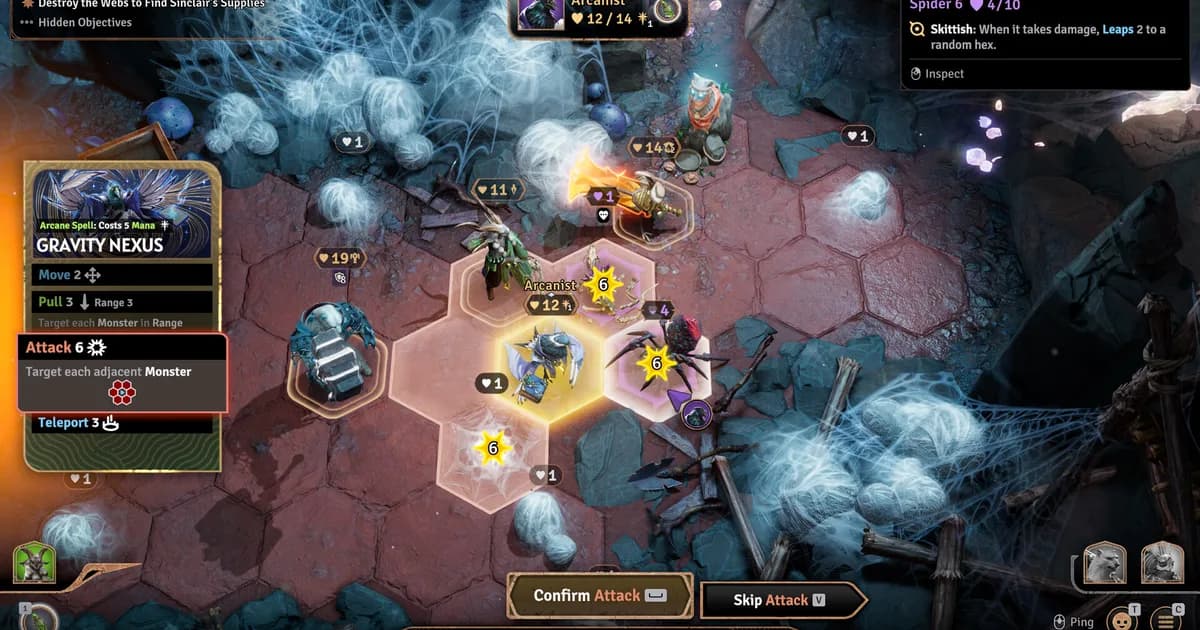
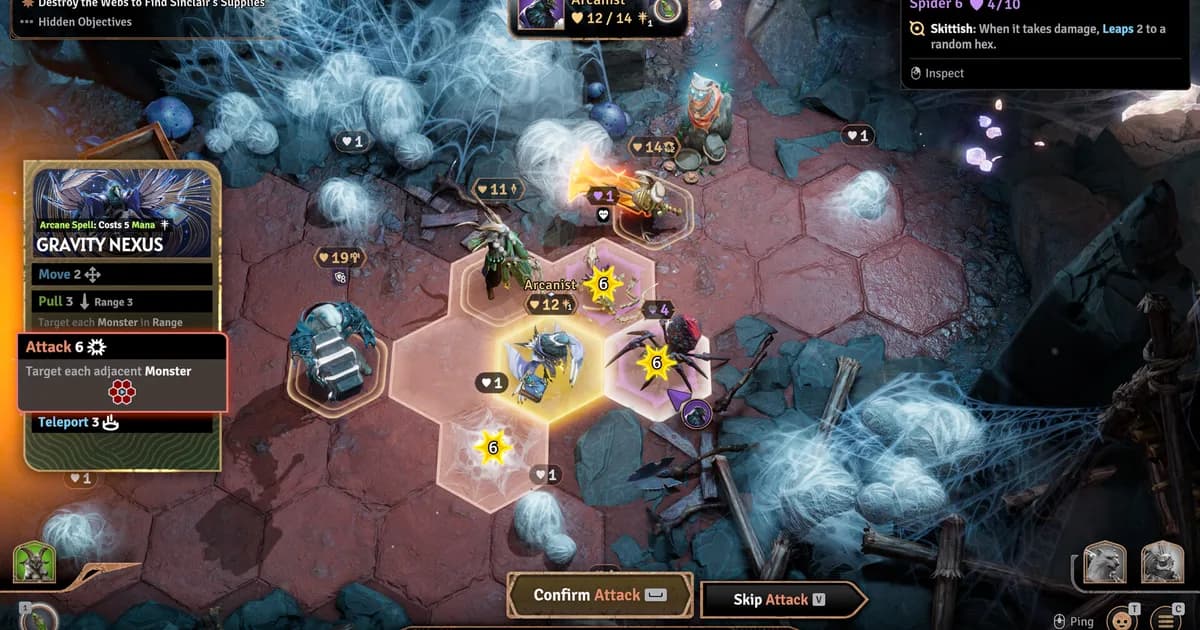
Sunderfolk Arcanist Guide: Teleport Builds and Tips 2026
General · 13 min
Sunderfolk Pyromancer Guide: Fire Builds and AoE Tips 2026
General · 16 min
Sunderfolk Ranger Guide: Range Builds and Party Tips 2026
General · 7 min
Sponsored
Disclaimer
This article is published for informational and entertainment purposes. It does not constitute professional financial, legal, or technical advice. Game performance, online services, patch schedules, and store listings change. Verify critical details (pricing, system requirements, regional availability) with publishers and storefronts before you buy. Affiliate links, where present, help support our editorial work and are labelled in our affiliate disclosure.
Comments
Loading comments…