
GuideSunderfolk
Sunderfolk Class Tier List: All 7 Heroes Ranked 2026
About the game
Sunderfolk
Secret Door · Dreamhaven
Seven heroes, four player slots, and the question of which to bring. The Sunderfolk class tier list below reflects how each hero performs across the full game, from your first dungeon to the post-story difficulty cycles, including the Vanguard added in Update 2.0.
Updated 2026-10-05: Updated the Steam review snapshot to 2,308 all-language reviews and corrected the Pyromancer's unsupported fire-spread description.
TL;DR: Sunderfolk class tier list: Bard and Berserker are S tier (Bard for team value, Berserker for frontline stability). Ranger, Arcanist, and the Update 2.0 Vanguard are A tier (Vanguard is a high-ceiling retaliation tank, strong but more skill-dependent than Berserker). Pyromancer is B tier: strong AoE, fragile, needs protection. Rogue is C tier for most players because positioning expertise takes multiple runs to develop. For a first run, Berserker plus Bard covers almost everything.
BESTPRICE: Don't own Sunderfolk yet? A Steam key through Loaded is often cheaper than buying direct on Steam. Eneba also lists a Global Steam key. Get Sunderfolk on Loaded → Get Sunderfolk on Eneba →
Sunderfolk class tier list: quick answer (all 7 heroes ranked)
| Tier | Class | Best role |
|---|---|---|
| S | Bard, Berserker | Team buffs / frontline tank |
| A | Ranger, Arcanist, Vanguard | Ranged damage / burst control / retaliation tank |
| B | Pyromancer | AoE damage, needs positioning |
| C | Rogue | Positioning-expert only |
Sunderfolk has 7 classes (the Vanguard arrived in Update 2.0) across a 4-player party, so in a full group you choose which to leave out rather than running all of them. The tier list matters most for 2-3 player runs where you have to choose who to leave out, and for understanding which classes carry their own weight in solo play.
For the complete class and party breakdown, the Sunderfolk complete guide collects the wider co-op setup alongside this ranking.
The rankings are based on 2,308 all-language Steam reviews (Very Positive) and the latest 2.0.10 hotfix context. Earlier 2.0 patches adjusted class balance, but the current Pyromancer sources document Firepower and Fire placement rather than a fire-spread mechanic.
S tier: Bard and Berserker
Bard is the most impactful class in a 3-4 player group. The music note system works like this: Two-Step (the Bard's swap ability) and specific Bard cards create notes on the field, which sit as Healing, Strengthening, or Shielding effects for allies who reach them, not a passive aura that appears from ordinary movement. The value scales with how many heroes can reach the note. In a full four-player party, a Bard who places notes well is generating team-wide value without spending extra cards on separate buff effects.
For the card-by-card version of that support loop, see the Sunderfolk Bard guide.
The catch that drops Bard from broken to merely S tier: it only works if you actively use Two-Step or note cards. New Bard players play their damage cards and skip note generation entirely, then wonder why their team isn't getting buffed. Every Bard turn has to answer "does a note need to go down, and where?" before "what else do I play?" Once that habit is built, the Bard is the class that makes every other class in the party perform above their individual rating.
In 2-player runs, Bard is still S tier but less dominant: there are fewer heroes to buff. The pair of Berserker plus Bard is the recommended 2-player starting point for a reason.
Berserker is S tier because there's no substitute for what it does. Protector's Fury reduces incoming damage and increases outgoing damage simultaneously. The ability to pick up and throw enemies repositions the battlefield on demand. The self-sustain means the Berserker doesn't need dedicated healing support to stay alive, which gives the rest of the party more card flexibility.
Every team needs a frontline, and the Berserker is the game's best frontline by a meaningful margin. A Ranger trying to fill the frontline role will take full hits and go down fast. The Berserker absorbs those same hits and counterattacks. S tier because the role it fills is essential and it fills it better than any alternative.
GODEEPER: Class synergy design in Sunderfolk follows similar principles to party-based tactical games. LegionBound Class Synergy Guide →
A tier: Ranger, Arcanist, and Vanguard
Ranger is A tier and the safest class to play well. High single-target damage at range, trap and area-denial tools, and enough durability to survive a positioning mistake. The Ranger's challenge is that enemies close in quickly, and maintaining distance requires active pathing. If you get cornered, you take hits that the Ranger isn't built to absorb.
For 2-player runs: Ranger plus Arcanist is a strong alternative to Berserker plus Bard. The Ranger handles priority threats while the Arcanist teleports and controls group positioning. This pair is more fragile than the S-tier duo but more flexible in how it approaches encounters.
The Ranger also functions reasonably in solo play, second only to the Berserker. Higher skill requirement than Berserker (maintaining distance takes active attention) but more flexible in encounter approach.
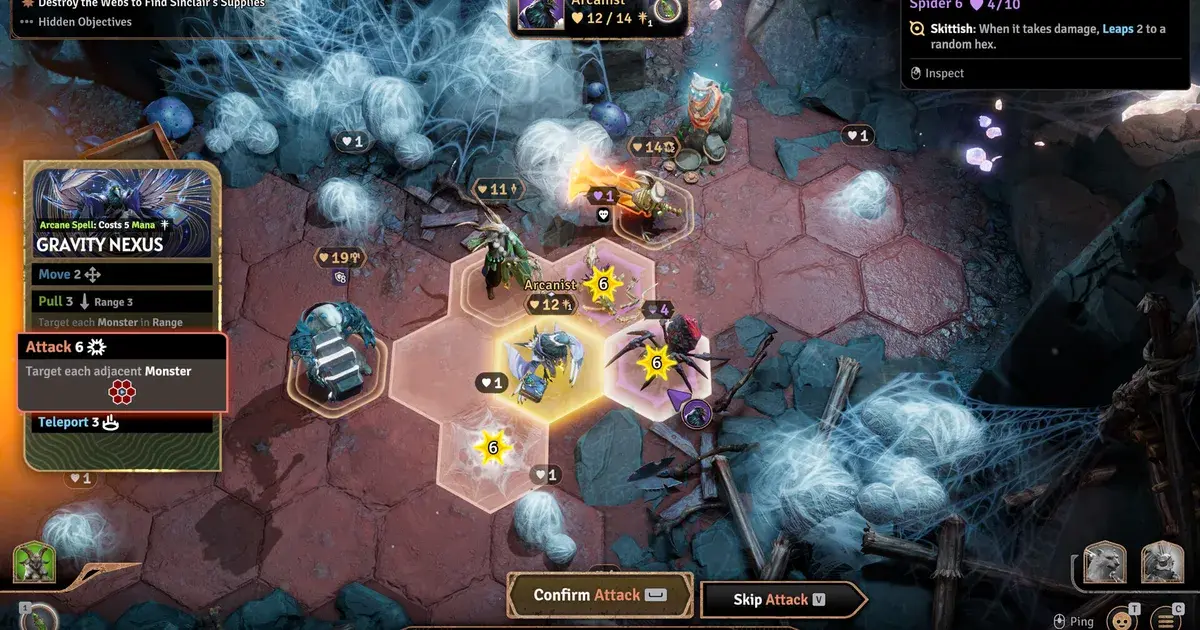
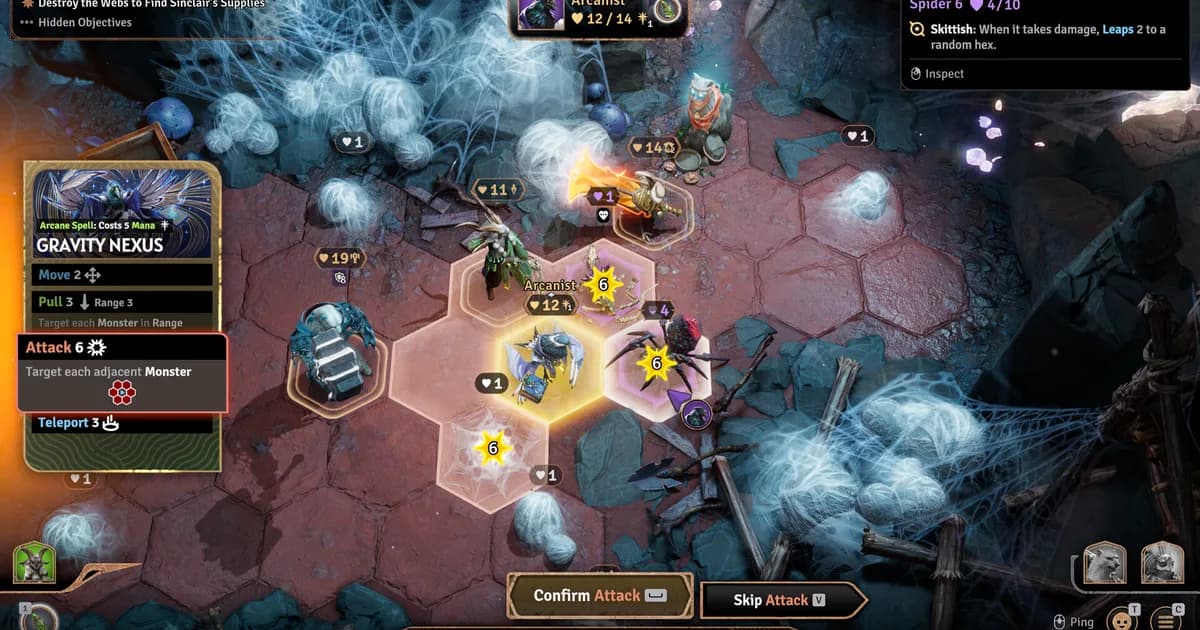
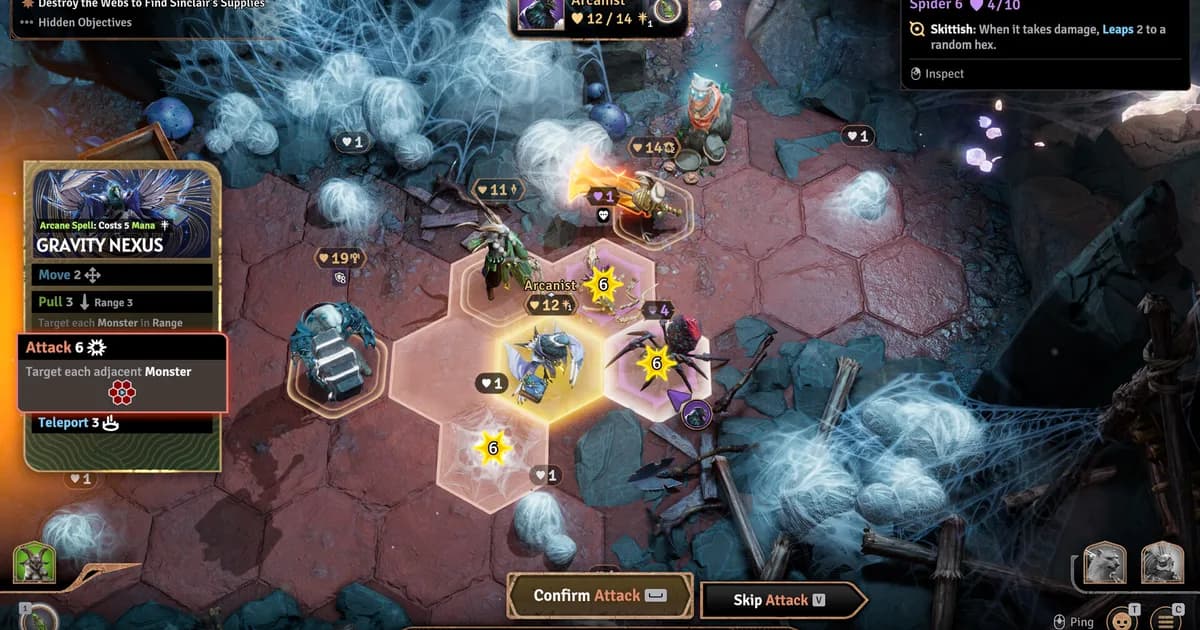
Arcanist has the highest ceiling of any class after Berserker and Bard, but the floor requires understanding encounter layout. Teleport abilities reposition both allies and enemies mid-turn. Decoy tokens draw enemy attacks away from priority targets. At its best, the Arcanist controls exactly where threats go and who they hit. At worst, an Arcanist who teleports without a plan reshuffles the encounter in ways that create worse problems than the original positioning.
A tier rather than S tier because the gap between a Arcanist played optimally and a Arcanist played casually is the widest of any class. Patch 2.0.10 is a multiplayer and loading hotfix, while the official Update 2.0 notes list Arcanist bug fixes rather than a teleport-range rework.
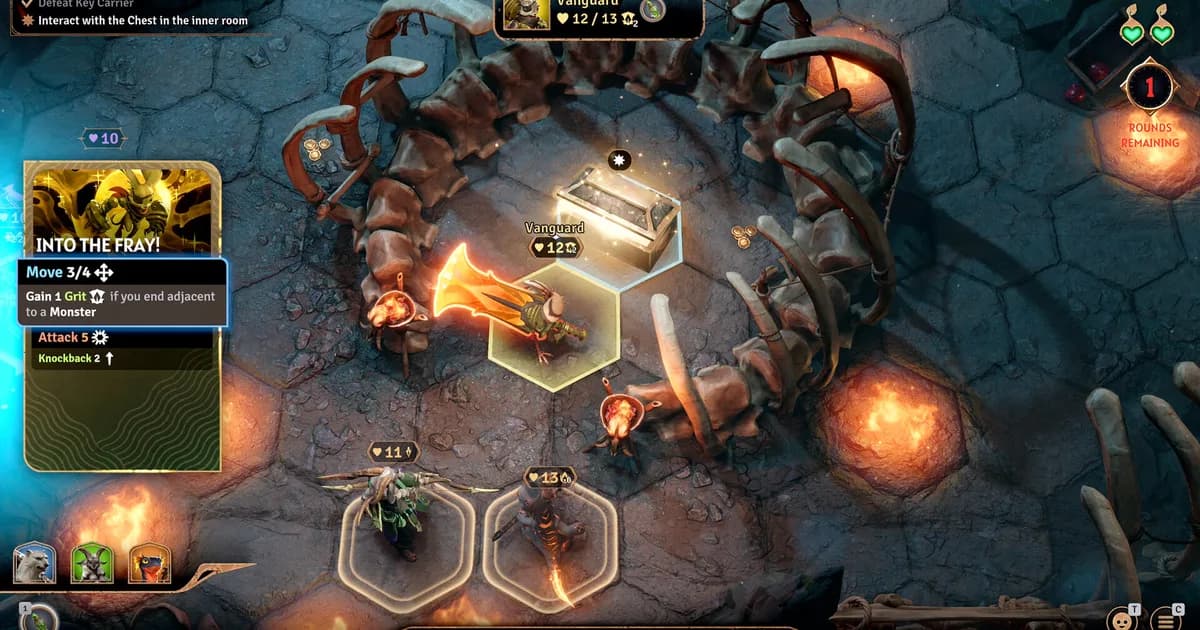
Vanguard is the seventh hero, added in Update 2.0, and lands in A tier as a high-ceiling retaliation tank. Its Grit passive lets it take less damage and deal more damage while Grit is active; an enemy hit can trigger retaliation and remove a Grit stack. Grit comes from certain Skill Cards, so Vanguard's output depends on choosing cards that build the resource and using it before incoming hits consume it. Compared to the S-tier Berserker, the Vanguard has more mobility and board control through Knockback, but it is less consistent when Grit is not building. That skill dependence is what keeps it at A rather than S. It pairs especially well with the Pyromancer, tanking in range of enemy clusters while the fire AoE resolves. Full breakdown in the Sunderfolk Vanguard guide.
B tier: Pyromancer
The Pyromancer clears rooms faster than anything else in the game when it's working. Area-of-effect fire cards hit multiple enemies per throw. An encounter with clustered enemies in a fire zone is the Pyromancer's ideal condition: it deals more damage per card than any other class in that scenario.
The problem is the requirement. The Pyromancer has low health and needs the Berserker to move enemies into firing range or absorb hits that would otherwise drop it. When that protection exists, Pyromancer is a strong A-tier performer. Without it, a Pyromancer positioned on the wrong side of an enemy cluster takes a round of hits and goes down before dealing meaningful damage.
B tier reflects a class that's strong under favorable conditions but condition-dependent. In a four-player group with a Berserker present, feel free to bump Pyromancer up to A in your personal ranking. In a two-player run without a frontline, the Pyromancer's fragility is a genuine problem.
Four phone screens show Bard, Ranger, Berserker, and Pyromancer selections while the shared Sunderfolk lobby appears on the TV behind them.
C tier: Rogue
The Rogue is technically strong and rewards the players who invest the time to understand it. Stealth positioning lets you approach enemies from advantageous angles. High burst combos deal damage that outperforms every class in ideal conditions. Abilities trigger differently based on positioning relative to each enemy.
The word "ideal" is the problem. Every Rogue turn requires reading the encounter and timing a disengage before acting: which cards let you attack and then leave adjacency, which target is debuffed or unguarded, and when Shroud is actually active. That knowledge takes 3-5 runs to develop for most players, during which the Rogue feels like a class with promise that never delivers. (There's no facing-direction "flanking" bonus in the kit, despite what some guides claim; the real mechanic is the Shroud buff from the Cloak and Dagger passive.)
For a second or third playthrough, the Rogue is worth experimenting with. Pair it with a Bard (the Bard's Two-Step can pull the Rogue out of melee to refresh Shroud) and keep a Berserker for stability. For a first run, the timing investment is a barrier that doesn't exist for any other class.
GODEEPER: Positioning-dependent class design shows up across tactical RPGs. Farever Class Guide: All 4 Classes Explained →
The Vanguard stands beside a chest in a fiery dungeon with the Into the Fray card visible and two allies positioned below.
Step-by-Step
1. Count the players before choosing a class: Sunderfolk supports one to four players, so start by looking at how many slots your group needs to fill. Smaller groups have less room to leave a role uncovered.
2. Identify the role gap in the party: Check whether the group already has a frontline, team support, area damage, and single-target damage. Berserker covers frontline stability, Bard covers team value, Pyromancer covers AoE when protected, and Ranger covers priority threats from range.
3. Pick the party that fits the player count: Use the existing tier ranking as the tie-breaker, then match the class to the role gap.
- Solo: Berserker is self-sufficient and deals consistent damage. Ranger is the second option but needs more active enemy positioning management.
- 2 players: Berserker plus Bard is the most forgiving combination. Ranger plus Arcanist is the more flexible, more fragile alternative.
- 3 players: Berserker plus Bard plus Pyromancer covers frontline, support, and AoE damage. Berserker plus Ranger plus Arcanist favors groups that prefer positioning decisions.
- 4 players: Berserker plus Bard plus Pyromancer plus Ranger covers frontline, support, AoE, and single-target damage. Bring the Rogue instead if the group wants an additional challenge and has an experienced player.
Tips for each class
Bard: Use Two-Step and note-generating cards when you want to create Music Notes; ordinary movement by itself does not. Reposition for note reach and team safety, then choose the damage or support card that fits the turn.
Berserker: Use the throw ability to move enemies into fire zones for Pyromancer teammates. The throw also repositions enemies away from fragile allies who got cornered. It's not just an attack: it's a positioning tool.
Ranger: Your priority threat is whichever enemy is advancing toward your squishiest teammate. Ignore minor enemies if they're not threatening the party. Single-target damage output is your contribution: use it on the thing that would cause the most problems if it reached the backline.
Arcanist: Place Decoy tokens before enemies act, not after. A Decoy that draws an attack away from the Pyromancer is worth more than an attack card. Teleport planning: identify where you want to end up, then decide which ability gets you there.
Pyromancer: Stay behind the Berserker. If you're taking hits, something went wrong with positioning earlier in the encounter. Call for repositioning help before you go down rather than after.
Rogue: Read the full encounter before acting on your first turn. Identify which target is debuffed or unguarded, which card lets you attack and disengage in one play, and whether Shroud is active. Act second if the turn order allows it.
BETTER PRICE: Sunderfolk is currently $19.99 on Steam in a 60% US sale from a $49.99 list price. $14.39 on Loaded → (sponsored): same Steam key, a fraction of full price.
Related Reading
- Sunderfolk Beginner Guide: Best Party and How Co-op Works: Full intro to Sunderfolk covering party compositions, town upgrades, phone controller setup, and how encounter design works before your first run.
- LegionBound Class Synergy Guide: Class synergy mechanics in a different tactical game, useful cross-reference for readers building team-based game knowledge.
- Farever Class Guide: All 4 Classes Explained: Co-op dungeon classes from another tactical RPG in the same 2026 indie window, useful for comparing how positioning-dependent design differs across games.
- Sunderfolk Berserker Guide: Protector's Fury and Best Builds: Sunderfolk Berserker guide: Protector's Fury cuts damage and boosts output simultaneously. Best solo class, best beginner class, S....
- Sunderfolk Vanguard Guide: Grit, Retaliation, Best Builds: Sunderfolk Vanguard guide: the Update 2.0 retaliation tank with Grit passive and conditional retaliation. Best builds,....
- Sunderfolk Arcanist Guide: Teleport Builds and Tips 2026: Sunderfolk Arcanist guide: teleport repositions enemies and allies. Pull combos, solo vs party builds, and why patch 2.0....
- Sunderfolk Complete Guide: All 7 Classes, Co-op Tips 2026: Sunderfolk complete guide hub: all 7 classes ranked, best party compositions, co-op setup, Vanguard builds,.
- Sunderfolk Online Co-op Guide: Setup, Fixes, and Party Tips: Sunderfolk online co-op supports 1-4 players on Steam and Epic.
- Sunderfolk Rogue Guide: Stealth Builds and Tips 2026: Sunderfolk Rogue guide: C tier for most players, technically powerful for experienced ones.
- Sunderfolk Pyromancer Guide: Fire Builds and AoE Tips 2026: Sunderfolk Pyromancer guide: Firepower fuels area damage, but the class is fragile.
Frequently Asked Questions
What is the best class in Sunderfolk? Bard and Berserker are both S tier for different reasons. Bard creates music notes through Two-Step and specific cards, and allies who reach them can receive healing, strengthening, or shielding effects, so the value grows with party size. Berserker is the most reliable frontline tank.
Is the Bard good in Sunderfolk? Yes. The Bard is S tier and especially valuable in a 3-4 player group. Two-Step and specific Bard cards create Music Notes, while ordinary movement alone does not. Allies who reach the notes can receive healing, strengthening, or shielding effects, so careful placement raises the whole party's output.
How many classes are in Sunderfolk? Sunderfolk has 7 classes: Berserker, Arcanist, Bard, Pyromancer, Ranger, Rogue, and the Vanguard added in Update 2.0. The game is balanced for 1-4 players with any class combination, though some pairings are significantly stronger than others.
What is the best 2-player class combination for Sunderfolk? Berserker plus Bard is the strongest 2-player pairing. The Berserker handles all frontline damage and absorption while the Bard's music notes passively buff both players. This combination clears most encounters without requiring high-level mechanical precision.
Is the Rogue worth playing in Sunderfolk? The Rogue is technically strong but C tier for most players because it requires board knowledge that takes multiple runs to develop. Stealth positioning and burst combos depend on reading the full encounter layout before acting. Experienced players who can consistently set up positioning will find the Rogue punching above C tier.
What class should I play solo in Sunderfolk? Berserker is the best solo class. It's self-sufficient, deals solid damage, and the built-in damage reduction from Protector's Fury keeps you alive through encounters that would drop squishier classes. Ranger is the second choice if you prefer ranged combat.
What changed in the latest Sunderfolk 2.0.10 patch? Patch 2.0.10 is a hotfix for rare duplicate personal screens, a negative-gold Post Office exploit, and an initial loading hang. It did not list class balance changes. Patch 2.0.9 added Steam Networking for online play, while earlier 2.0 updates made the class changes to track.
References
- Sunderfolk on Steam: official store page, current price, and review score
- Sunderfolk official hero roster: Dreamhaven's descriptions of the original six heroes
- Sunderfolk Vanguard hero page: official Grit, Knockback, and Update 2.0 details
- Sunderfolk Bard hero page: official Two-Step and Music Note details
- Sunderfolk 2.0.10 patch notes: current hotfix notes and the 2.0.9 Steam Networking history
- Sunderfolk Steam key on Loaded: often cheaper than the direct Steam price.
- Sunderfolk Steam key on Eneba: Global key, compare with the Steam price.
Was this guide helpful?
About the author

Indie & JRPG Critic
Indie game evangelist and lifelong JRPG fan covering small studios since 2017. Mumbai-born, London-based. Writes the way she talks.
- 7 years indie games coverage
- JRPG and visual novel specialist
- Narrative design focus
Keep reading

Sunderfolk Online Co-op Guide: Setup, Fixes, and Party Tips
Guides · 8 min

Sunderfolk Beginner Guide: Best Classes and Party Tips
General · 9 min
Sunderfolk Complete Guide: All 7 Classes, Co-op Tips 2026
General · 18 min
Sunderfolk Berserker Guide: Protector's Fury and Best Builds
General · 8 min
Sunderfolk Bard Guide: Music Note System and Best Builds
General · 7 min
Sunderfolk Vanguard Guide: Grit, Retaliation, Best Builds
Guides · 7 min
Game deals · affiliate links

Disclaimer
This article is published for informational and entertainment purposes. It does not constitute professional financial, legal, or technical advice. Game performance, online services, patch schedules, and store listings change. Verify critical details (pricing, system requirements, regional availability) with publishers and storefronts before you buy. Affiliate links, where present, help support our editorial work and are labelled in our affiliate disclosure.
Comments
Loading comments…