
GuideSunderfolk
Sunderfolk Bard Guide: Music Note System and Best Builds
The Sunderfolk Bard is the class that makes everyone else better. Its signature ability, Two-Step, lets the Bard swap positions with a hero or ally and drop a music note in the process, and several of its cards create notes directly. Those notes sit on the field as Healing, Strengthening, or Shielding effects that allies benefit from. In a three or four player group, that's one of the most efficient support mechanics in the game, when the notes land where your team can use them.
Sponsored

About the game
Sunderfolk
Secret Door · Dreamhaven
The reason the Bard is tricky for new players isn't the complexity. It's the habit of treating every turn as a straight damage-card decision instead of asking where a note needs to go first. Notes don't spawn from just walking around: they come from Two-Step or specific cards, and a Bard who never plays those never generates any.
Updated 2026-10-05: Corrected the Pyromancer synergy advice to describe Firepower setup and area attacks, not an unsupported fire-spread mechanic.
TL;DR: Bard is S tier, especially in 3-4 player groups. Music notes come from the Two-Step swap ability and specific Bard cards, not from ordinary movement, and they sit as Healing, Strengthening, or Shielding effects for allies who reach them. Your priority each turn: decide where a note needs to land before deciding which other card to play. Berserker plus Bard is the best 2-player pairing. Bard plus Rogue helps the Rogue refresh Shroud on schedule through Two-Step repositioning.
BESTPRICE: Want Sunderfolk? These stores list it: Buy on Eneba → Buy on Humble Bundle → Buy on Loaded → Buy on Gameseal → Buy on Kinguin →
Sunderfolk Bard: quick answer
Bard is S tier in Sunderfolk. Its Two-Step ability (swap with a hero or ally, gain 1 Move, drop a note) and several of its cards generate music notes on the field: Healing, Strengthening, or Shielding effects that benefit allies who are on or near them. In a 3-4 player group, a Bard who manages note placement well makes the whole party perform better than its members would on their own.
The one requirement: you have to actually use Two-Step or a note-generating card. Standing still and playing a plain damage card generates nothing for the team.
Sponsored

Key takeaways
- Music notes come from Two-Step (a swap ability) or specific Bard cards, not from ordinary movement
- Notes are Healing, Strengthening, or Shielding effects that sit on the field; allies benefit by reaching them, and enemies destroy notes by walking over them
- Your priority sequence each turn: figure out where a note needs to land, then decide the rest of your card play
- Bard is most valuable in 3-4 player groups. In solo, it's outperformed by Berserker and Ranger
- Best 2-player pairing: Berserker plus Bard. A commonly cited 4-player comp is Berserker, Bard, Pyromancer, Ranger, though the seventh hero Vanguard is also a viable frontline alternative to Berserker
- Bard plus Rogue is a strong pairing because Two-Step can pull the Rogue out of melee to refresh its Shroud buff
- Don't waste a turn on a plain damage card when Two-Step or a note card would set up more value for the team
Step-by-Step: Using Two-Step Every Turn
1. Check where a note is needed most: Before picking any card, decide which ally (or which cluster of allies) would benefit most from a Healing, Strengthening, or Shielding note this turn.
2. Swap into position with Two-Step: Swapping with a hero or ally grants you 1 Move and creates a note in a random adjacent hex, so choose the swap partner whose tile puts the note where the most teammates can reach it.
3. Count how many heroes are in range before committing: A note only helps allies on or adjacent to it, so a swap that lands near three heroes is worth more than one that only benefits you.
4. Protect the note from enemy paths: Enemies destroy notes simply by walking over them, so avoid dropping one in a hallway or chokepoint an enemy is about to cross.
5. Fall back on a note-generating card if Two-Step doesn't fit the turn: Specific Bard cards and some trinkets create notes directly without requiring a swap, useful when no ally is in a good swap position.
6. Layer a direct buff on your carry when the note is already down: Once a note is placed, a second card that buffs your highest-damage teammate (commonly the Berserker) compounds the value of the same turn.
7. Reassess before your next turn: A plain damage card that generates nothing for the team is rarely the right call. Check note placement first, every turn, not just when it's convenient.
How the music note system works
Music notes don't appear from simply moving the Bard around the grid. They're generated in two ways: Two-Step, the Bard's passive swap ability (swapping positions with a hero or ally grants the initiating character 1 Move and creates a note in a random adjacent hex), and a handful of specific Bard cards and trinkets that create notes directly. Once placed, a note is one of three types: Healing (heal 3), Strengthening (gain 1 Strength), or Shielding (gain 1 Shield).
The mechanic you have to internalize: notes are objects on the field, not an automatic aura. A hero benefits by being on or adjacent to the note, and enemies destroy notes if they move over them first. This means placement and timing matter as much as generating the note in the first place. Playing a plain damage card instead of Two-Step or a note card means the team gets nothing that turn beyond the card's own effect.
GODEEPER: Full S-tier breakdown with Berserker matchup analysis, how the pair performs in 2-4 player groups, and which compositions work for each group size. Sunderfolk Class Tier List: All 7 Heroes Ranked →
The scaling still matters, just for a different reason than pure movement. A note placed where multiple heroes can reach it in the same turn generates more total value than one placed where only the Bard itself benefits. In a full party, a well-placed note from Two-Step can set up more value than a single damage card. In solo, there's only one other hero to benefit from a note at all, which is part of why solo Bard underperforms relative to Berserker and Ranger.
Think of each Bard turn as two decisions, in order. First: does Two-Step or a note-generating card get played this turn, and where does the resulting note end up? Second: given that, which other card fits the rest of the turn? Skipping Two-Step and note cards in favor of a straight damage card is usually the wrong trade, since the note's team-wide value typically exceeds the marginal damage difference.
Best Bard builds
Bard's card pool includes direct buffs, note generators, and some modest damage options. The builds:
Two-Step build. Prioritize cards and positioning that let you use Two-Step consistently, swapping with whichever ally needs a note nearby most. The goal is landing a note where the most teammates can reach it before an enemy tramples it. This build is most valuable in 4-player groups where a well-placed note can benefit three or four heroes in a turn.
Support amplifier build. Mix note generation with cards that directly buff your highest-damage teammate. If you're running Berserker plus Bard, some cards that specifically increase the Berserker's damage or reduce the hits it absorbs complement the note system. This build is more role-specific than the Two-Step build but higher ceiling when you have a clear carry.
Hybrid. Rotate between note generation and direct buff cards based on encounter layout. Some rooms have tight corridors where a single well-placed note covers the entire team; in those situations, spending extra cards on more notes is less necessary and direct buffs do more work. Reading the map before the encounter starts helps.
For a first run: Two-Step build. It requires the least coordination, works in any group composition, and trains the habit of placing notes deliberately before you start making more precise card choices.
Between dungeons, the hub world is where you manage Workshop upgrades and card pools before deciding on your next note-focused build.
Bard in a group
With Berserker: The core S-tier pairing. Berserker holds the front line; Bard uses Two-Step to swap toward the Berserker and drop notes where it can reach them. Berserker doesn't need healing support, so the Bard can lean on Strengthening and Shielding notes rather than playing defensive cards. The combination clears most encounters without requiring high mechanical precision.
With Rogue: Less obvious but strong. The Rogue's Shroud buff (from its Cloak and Dagger passive) only refreshes when it ends a turn away from every monster, and the Bard's Two-Step can swap the Rogue directly onto a safe tile without the Rogue spending its own movement card. A Strengthening or Shielding note picked up along the way adds to whatever the Rogue's next attack already grants from Shroud or its own card condition. If your Rogue is struggling to keep Shroud active, check whether the Bard is timing Two-Step to help it disengage.
With Pyromancer: A Strengthening note on the Pyromancer increases its damage, so use it on the attack that spends Firepower. Use Two-Step to keep the Bard near the Pyromancer during Fire setup. The Berserker delivers targets while the Bard buffs the Pyromancer's area damage.
With Arcanist: Bard and Arcanist together create control encounters where enemies are repositioned and allies are buffed simultaneously. The combination is more fragile than Berserker-anchored comps (no frontline damage absorption) but creates situations where enemies never reach the desired position.
Couch co-op lets each player pick and name their hero from a connected phone while the TV shows the shared battle view.
GODEEPER: Bard slots into almost any comp, but the party still needs the right shape around it. Sunderfolk Beginner Guide: Best Classes and Party Tips →
Tips for Sunderfolk Bard
Use Two-Step or a note card most turns. This bears repeating because it's the most common Bard mistake: treating the Bard like a pure damage class and skipping note generation entirely. A plain damage card that generates nothing for the team almost never outweighs the value of a well-placed note.
Count how many heroes are near where a note will land before you commit to Two-Step. One hero in range gets one hero's worth of benefit. Three heroes in range gets three heroes' worth from the same note. Take two seconds to check where your teammates will be before swapping.
Watch for enemies that can reach your notes. A note an enemy walks over is destroyed before any ally benefits from it. Placing notes behind your frontline, not in a hallway enemies are about to cross, protects the value you just spent a card generating.
Rogue players in your party rely on the Bard for repositioning help. If you have a Rogue, make sure your Two-Step swaps can pull it out of melee when it needs to refresh Shroud. Check in before the encounter starts: "when do you need to disengage?" then plan your Two-Step around that timing.
Related Reading
- Sunderfolk Complete Guide: All 7 Classes, Co-op Tips 2026: full hub covering all 7 classes, party compositions by group size, and links to every Sunderfolk guide on the site.
- Sunderfolk Berserker Guide: Protector's Fury and Best Builds: the S-tier frontline class. Berserker plus Bard is the strongest duo pairing in the game.
- Sunderfolk Class Tier List: All 7 Heroes Ranked 2026: tier rankings for all original heroes, Bard vs Berserker matchup analysis, and optimal party compositions for 2-4 players.
- Sunderfolk Beginner Guide: Best Classes and Party Tips: first-run picks, party composition by group size, and the three most common early mistakes.
- Sunderfolk Vanguard Guide: Grit, Retaliation, Best Builds: Sunderfolk Vanguard guide: the Update 2.0 retaliation tank with Grit passive and conditional retaliation. Best builds,....
- Sunderfolk Arcanist Guide: Teleport Builds and Tips 2026: Sunderfolk Arcanist guide: teleport repositions enemies and allies. Pull combos, solo vs party builds, and why patch 2.0....
- Sunderfolk Pyromancer Guide: Fire Builds and AoE Tips 2026: Sunderfolk Pyromancer guide: Firepower fuels area damage, but the class dies fast. Correct positioning, frontline requirements, and....
- Sunderfolk Ranger Guide: Range Builds and Party Tips 2026: Sunderfolk Ranger guide: A tier ranged damage and traps. How to maintain distance, what to target first, and....
- Sunderfolk Rogue Guide: Stealth Builds and Tips 2026: Sunderfolk Rogue guide: C tier for most players, technically powerful for experienced ones. Shroud timing, card priority, and when....
- Sunderfolk Online Co-op Guide: Setup, Fixes, and Party Tips: Sunderfolk online co-op supports 1-4 players on Steam and Epic.
References
- Sunderfolk on Steam: official store page, patch notes, developer updates
- r/Sunderfolk: class discussion, build sharing, community tips
- Meet Your Heroes: The Bard, Dreamhaven: official developer description of Two-Step and the music note mechanic
Frequently Asked Questions
Is the Bard good in Sunderfolk? Bard is S tier, especially in 3-4 player groups. Its Two-Step ability and note cards hand out Healing, Strengthening, or Shielding effects to allies who reach them. In a full four-player party, a Bard who manages note placement well is one of the highest-value support classes in the game.
How do music notes work? Notes come from Two-Step (a swap ability that also grants 1 Move) or specific Bard cards and trinkets, not from ordinary movement. Once placed, a note is Healing, Strengthening, or Shielding, and allies benefit by being on or near it. Enemies destroy notes by walking over them.
Is Bard good for 2 players? Yes, still S tier, but less dominant than in larger groups because fewer allies are around to benefit from each note. Berserker plus Bard is the recommended 2-player pairing.
What's the best Bard build? Two-Step build: cards that support consistent swapping and note placement. Works in any group composition. For experienced players, a support amplifier build (note cards plus direct buffs targeting your highest-damage teammate) has a higher ceiling in specific group compositions.
Bard or Berserker for a first run? Berserker. It doesn't require the note-management discipline Bard needs, and its value is self-contained. Bard is the better pick once you understand how Two-Step and note placement work, but the habit takes a run or two to develop.
Does Bard work well with the Rogue? Better than expected. Bard's Two-Step can pull the Rogue out of melee to refresh its Shroud buff without the Rogue spending a movement card, and a note picked up along the way adds to whatever the Rogue's next attack already grants. If your Rogue is struggling to keep Shroud active, check whether the Bard is timing Two-Step to help it disengage.
Was this guide helpful?
About the author

Indie & JRPG Desk
GameBrief's byline for indie, JRPG, visual novel and cozy games. Warm, direct, and willing to say which one to buy.
- Indie, JRPG and visual novels
- Early access and survival
- Sources listed per article
Keep reading
Sunderfolk Berserker Guide: Protector's Fury and Best Builds
General · 8 min
Sunderfolk Complete Guide: All 7 Classes, Co-op Tips 2026
General · 18 min
Sunderfolk Vanguard Guide: Grit, Retaliation, Best Builds
Guides · 7 min
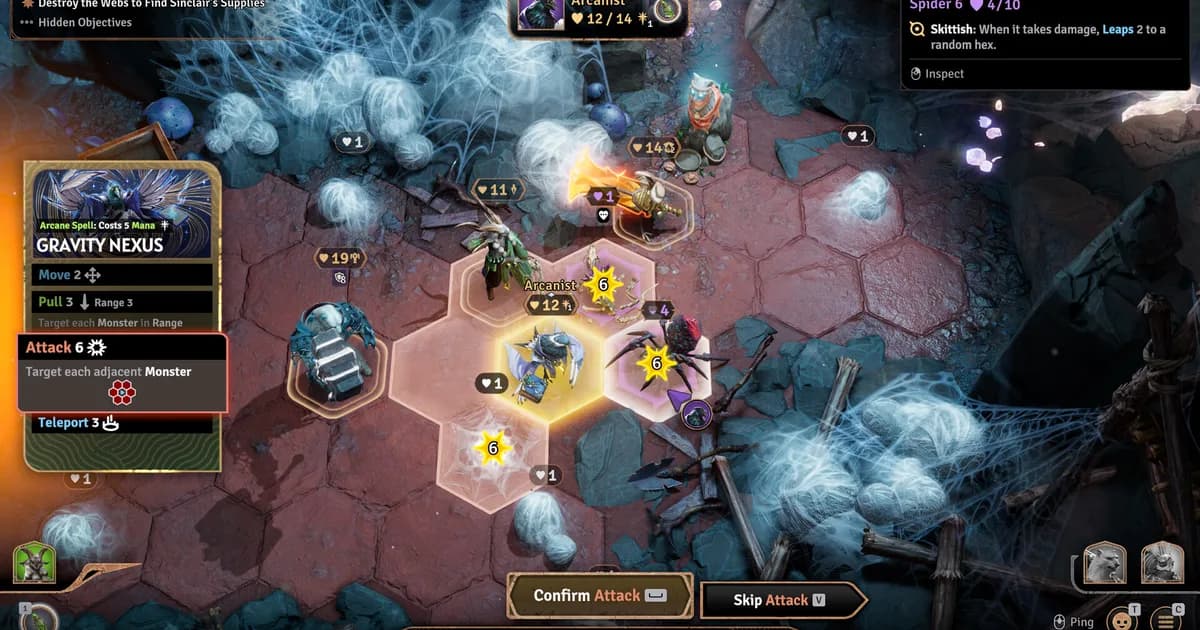
Sunderfolk Arcanist Guide: Teleport Builds and Tips 2026
General · 13 min
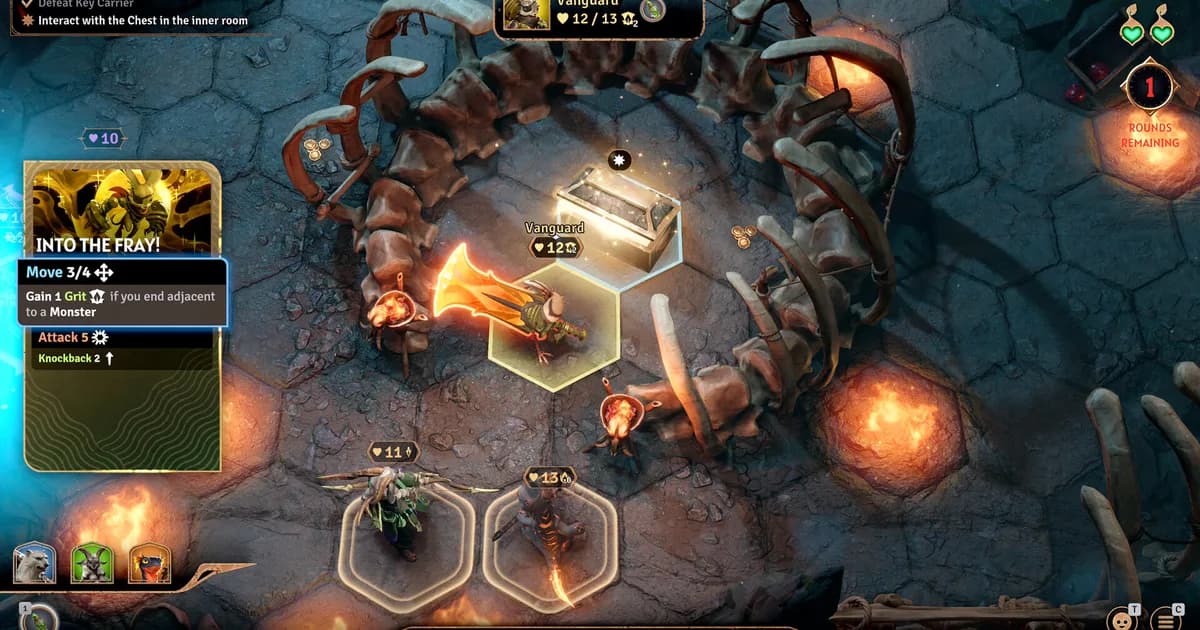
Sunderfolk Pyromancer Guide: Fire Builds and AoE Tips 2026
General · 16 min
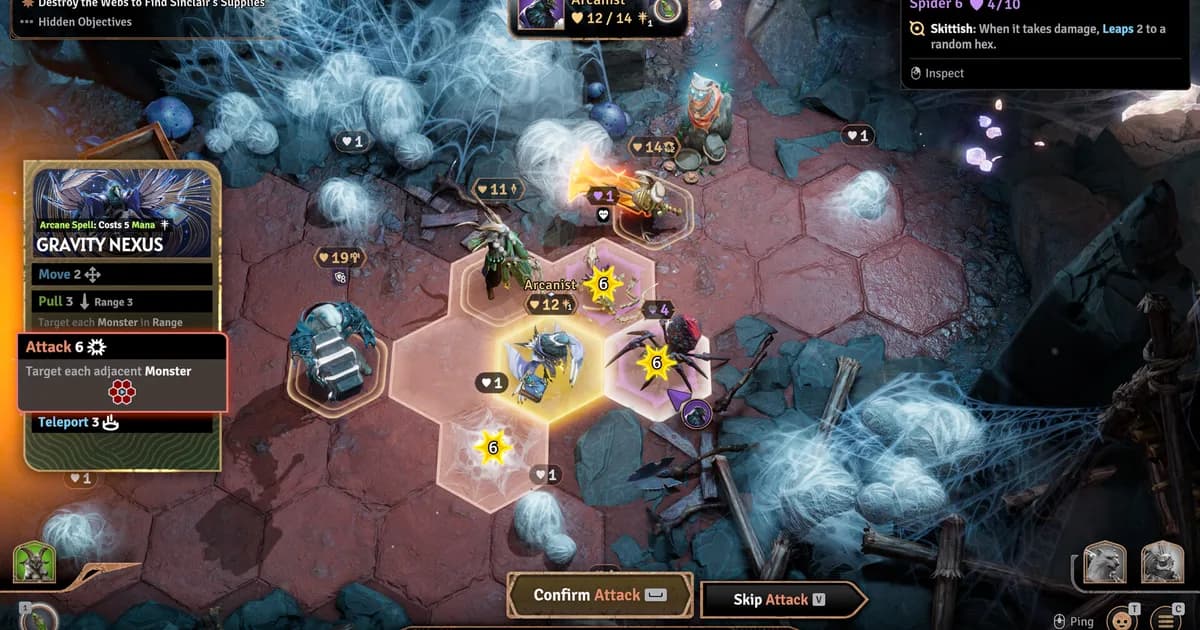
Sunderfolk Ranger Guide: Range Builds and Party Tips 2026
General · 7 min
Sponsored
Disclaimer
This article is published for informational and entertainment purposes. It does not constitute professional financial, legal, or technical advice. Game performance, online services, patch schedules, and store listings change. Verify critical details (pricing, system requirements, regional availability) with publishers and storefronts before you buy. Affiliate links, where present, help support our editorial work and are labelled in our affiliate disclosure.
Comments
Loading comments…