
GuideTainted Grail Fall of Avalon
Tainted Grail Crit Build: Perception and Bleed 2026

The Tainted Grail crit build is built around the perception stat and, once you understand that one fact, the rest of the build comes together fast. The community considers it strong enough that some players skip crit investment entirely to keep combat harder. That kind of reputation usually means something: this article explains how to build toward it, what stacks with it, and the one coating that makes the bleed variant worth considering.
TL;DR: Stack perception and take crit-focused skills. Apply Bleeder Rogue coating for a bleed-crit combo on fast weapons. Use alchemy crit chance buffs from recipe books found in Horns of the South. Both dagger and 2H melee crit variants are community-viable. The Sarras skill tree persists through NG+ and offers nodes that complement an offensive crit build.
Tainted Grail crit build? (quick answer)
Perception is the stat that raises crit chance. The crit build stacks perception gear, invests in crit-specific skills, and uses alchemy critical chance buffs from recipe books. Fast weapons like daggers proc crits more frequently; 2H weapons hit harder when crits land. Bleed coating on any fast weapon creates a crit-bleed combo that the community consistently rates as strong.
Tainted Grail crit build current status: September 2026
The live Steam snapshot checked on September 18 lists Tainted Grail: The Fall of Avalon at $44.99, with 87% positive from 19,793 English reviews and 83% from 573 recent reviews. Questline's latest official feed entry is Patch 1.25 and free Bonus Content #4 from July 20, which adds archer and sorcerer playstyles, new bows and wands, and the Ultra+ graphics preset. The notes do not change the perception, bleed, or alchemy claims below, but the new gear makes the live build pool broader. Sources: Tainted Grail on Steam and Questline's official announcements.
That covers the structure. The sections below explain each layer and why the order of investment matters.
Key Takeaways
- Perception drives crit chance. It is the single stat most directly linked to critical hit frequency.
- Bleed+crit is the dominant community combo. Bleeder Rogue coating applies bleed on every hit, and a high-crit-rate fast weapon procs it repeatedly.
- Alchemy has a crit chance buff. Most players miss it because recipe books are easy to overlook. Finding it early changes the build's ceiling.
- 2H crit melee works. Fewer hits per second than dagger, but individual crits deal significantly more. Both paths are viable through the full game.
- Crit is considered strong by the community. Some players skip it specifically to avoid easy mode. Worth knowing before committing to this build.
How crit works in Tainted Grail
Critical hits in Tainted Grail are tied to the perception stat. Community testing confirms this connection: players who skip "perception and crit related skills" specifically, as one Reddit player described their intentional non-crit build, see no crit-based damage spikes during combat.
The game doesn't display a crit chance percentage in a visible stat screen in the way some RPGs do. What you observe instead is the frequency of high-damage hits as you increase perception investment. At low perception, crits are rare and unreliable. At high perception combined with crit-specific skill tree investments, crits become a consistent part of the damage rhythm rather than an occasional bonus.
Critical-hit frequency is not the same as a guaranteed opener. Some community reports emphasize opening attacks and positional advantage, but the source material does not establish a universal opener percentage. Use repositioning to create a safe engagement and a better attack, not because every first hit is promised to crit.
This gives the build a rhythm: position before engaging, open with the first hit for a high-probability crit, maintain pressure with a fast weapon to continue stacking perception-driven crit frequency through the fight.
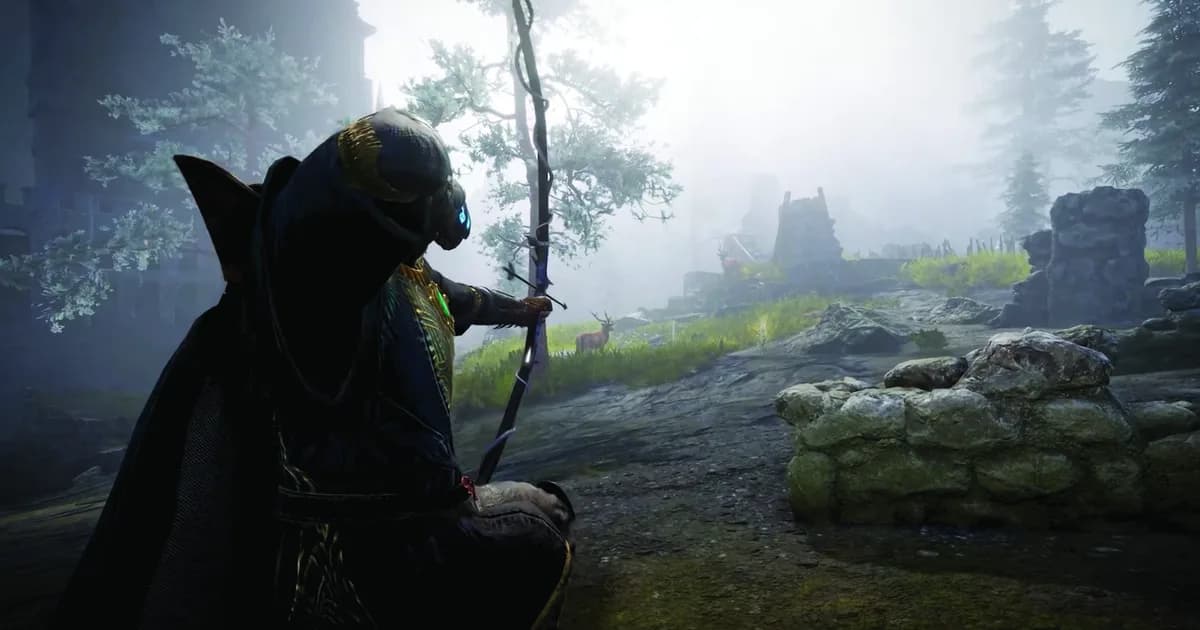
Late-game combat where crit-bleed builds maintain encounter pace against high-HP enemies despite tighter arena layouts.
GODEEPER: Five real community build patterns with stat routing, sourced from actual player discussion rather than an invented tier list. Tainted Grail Best Builds: 5 Real Community Setups 2026 →
Step-by-step crit build setup
Step 1: Start with perception investment from character creation. Put initial attribute points into perception over physical or spirituality. You are prioritizing crit chance over raw weapon damage or alchemy power. Early game, this means crits are low-frequency but set the trajectory correctly.
Step 2: Find the first crit skill node. The skill tree has crit-specific nodes alongside the perception-linked branches. Take any node that explicitly references critical hit chance or critical damage when it appears.
Step 3: Collect recipe books in Horns of the South before leaving the zone. The "After The Conclave: Druidic Alchemy" series (three volumes) is available in and around Horns of the South. The alchemy guide lists critical chance among the temporary buff options, but the current recipe requirements are the authority for the exact unlock. Most players miss these books because the game doesn't mark them as critical progress items.
Step 4: Apply Bleeder Rogue coating. This weapon coating applies bleed on every hit and triggers on any weapon including daggers. On a fast weapon with high crit chance, you produce bleed stacks rapidly. Bleeder Rogue is available as an alchemy crafted coating once you have the right recipe.
Step 5: At Cuanacht, prioritize perception gear from vendors. The alchemy hybrid build's notes in the builds guide warn that "Cuanacht is your critical zone" for vendor stock. The same applies here for different reasons: Cuanacht vendors offer gear that may have perception bonuses. Buy perception upgrades when available. The vendor stock resets per zone, not per session, so you have limited chances per zone transition.
Step 6: Invest in the Sarras skill tree. The Sanctuary of Sarras DLC area includes a separate skill tree that persists through New Game Plus cycles. This persistence makes its offensive nodes a worthwhile long-term investment for a crit build. Prioritize nodes that boost primary damage stat or critical hit chance directly. Read each node description before spending points.
The game's open zone structure means vendor routes through towns like Cuanacht are worth planning around your crit gear needs.
GODEEPER: What the Sarras skill tree carries across NG+ cycles and which nodes to prioritize for offensive builds. Tainted Grail New Game Plus: What Carries Over (and Resets) →
Best skills to combine with crit
Crit-specific nodes: Any skill node that references "critical chance" or "critical damage" should be taken immediately on a crit build. The skill tree in Tainted Grail branches based on stat investment, so perception investment unlocks the relevant crit branches.
Fast attack skills: Skills that increase attack speed benefit a crit build by creating more attack attempts per fight. Do not treat a fixed "four versus six" windows-per-second figure as a universal rule because weapon animations and buffs vary. Over a fight, more clean attempts still compounds.
Movement and repositioning skills: Because opening-attack crits are the most reliable crit trigger, skills that help you reposition without alerting enemies extend the window in which you can repeatedly land opening-strike crits.
Bleed-adjacent skills: Any skill that extends bleed duration or increases bleed stacks compounds with the Bleeder Rogue coating. Check the skill tree for bleed-enhancement nodes when your coating is already providing the initial application.
Do not spend spirituality on alchemy by assumption: The current alchemy and builds references identify Practicality, not Spirituality, as the alchemy stat. Add Spirituality only when you also need spell power, max mana, or mana regeneration. For a physical crit build, keep the stat budget focused on Perception and the weapon's actual scaling needs.
For a complete route through the stat and gear choices, keep the Tainted Grail best builds guide open beside this crit-specific setup.
Common mistakes
Skipping the alchemy buff category entirely. The critical chance buff exists as a temporary consumable, and players who find the recipe books early get it two full zones ahead of those who don't. The recipe books are in Horns of the South and easy to miss because the game doesn't emphasize them.
Using a slow weapon with high crit chance. Crit chance from perception applies per hit. A slow 2H weapon deals high damage when a crit lands, but the interval between crit opportunities is longer. A fast weapon and a slow weapon at identical crit chance have very different effective crit rates. If your weapon has fewer swings per second, you need higher crit chance to maintain the same damage output as a dagger build.
Neglecting movement in tighter late-game arenas. Cramped fight spaces in the later regions reduce the effectiveness of positional opening-strike crits. Any build relying on repositioning benefits from prioritizing movement before that point. The crit build is particularly dependent on this since tight fights limit how often you can set up the high-value opener.
Assuming crit is optional late-game. Crit can remain useful as enemy health rises, but it is not a universal answer. Keep the bleed and gear triggers that actually fit your weapon rotation instead of treating the crit-bleed combo as a guaranteed late-game solution.
Splitting stat points between perception and physical past mid-game. The spell-blade build justifies split investment because it uses both sides of that stat pair. A crit build uses physical stat for base weapon damage and perception for crit chance. Diluting perception investment to chase physical past what your weapon scaling requires slows your crit ramp significantly.
Related Reading
- Tainted Grail Fall of Avalon Guide: All 14 Guides Hub: Tainted Grail Fall of Avalon guide hub: builds, bosses, NG+, survival, lore, and tips. Very
- Tainted Grail Alchemy Guide: Recipes and Stations 2026: where to find the recipe books, station locations, and the full buff category including critical chance.
- Tainted Grail Zones Guide: 5 Areas in Order (2026): Tainted Grail zones guide: 5 areas from prison prologue to Red Altar in order. What
- Tainted Grail Boss Guide: Key Fights and Strategies: which boss fight mechanics counter a crit-dependent build and where positional play is most viable.
- Tainted Grail Best Gear: Weapons, Armor, and Jewelry Guide: exact weapon picks like Ravencrest Executioner for guaranteed crits on full-health targets.
- Tainted Grail Summoner Build: Spirituality Minion Guide: a minion-focused alternative for players who want summons dealing the damage instead of stacking crit.
- Tainted Grail Lore Guide: Arthurian World Explained: Tainted Grail lore guide: how Fall of Avalon remixes Arthurian myth, who the major factions
- Tainted Grail Beginner Tips Guide: first-run stat and survival context before committing to a crit route.
Frequently Asked Questions
What stat controls crit chance in Tainted Grail? Perception is the primary stat for critical hit chance in Tainted Grail. Community testing confirms that investing in perception alongside crit-specific skills produces significantly higher crit frequency than gear alone. Alchemy buffs can supplement crit chance temporarily regardless of stat spread.
Does bleed synergize with crit in Tainted Grail? Yes. Bleeder Rogue weapon coating applies bleed on every hit. Combined with high crit chance from perception, a fast weapon like a dagger crits often enough to proc bleed multiple times per fight. Spear and shield bleed-crit variants also work in the community.
Is a 2-handed crit build viable in Tainted Grail? Yes. A 2H crit melee build is community-confirmed viable. The tradeoff versus a dagger crit build is fewer hits per second, so crit procs are less frequent. You compensate with higher base damage per hit when a crit lands, making individual crits hit harder.
What alchemy buffs help a crit build? The alchemy system includes a critical chance temporary buff, unlocked through recipe books in Horns of the South. The "After The Conclave: Druidic Alchemy" series (three volumes) unlocks the buff category. Most players miss it because the game doesn't mark these books as important.
Should I use the Sarras skill tree for a crit build? The Sarras skill tree persists through New Game Plus cycles and includes offensive nodes worth taking for a crit build. Prioritize nodes that directly boost critical hit chance or your primary damage stat. Confirm each node's effect before spending points since the tree has multiple branches.
Is crit overpowered in Tainted Grail? The community considers it strong. Some players deliberately avoid perception investment to keep combat harder. At high perception with crit skills, crits land often enough to noticeably outpace non-crit builds at equivalent gear. It is not required, but it is one of the more reliable damage patterns into the late game.
References
- Tainted Grail: The Fall of Avalon on Steam (Questline / Awaken Realms, $44.99 and 87% positive from 19,793 English reviews in the September 18, 2026 snapshot)
- Questline's official Steam announcements (Patch 1.25 and Bonus Content #4, July 20, 2026)
- r/TaintedGrail community builds discussion (community crit build reports, bleed-crit combos, 2H crit melee verification)
- r/TaintedGrail: Sword and Staff Non-Crit Build (community post documenting how crit functions, June 2026)
Was this guide helpful?
About the author

Senior Critic & Analyst
Former game data analyst turned critic with 11 years covering indie and mid-tier games. Based in Austin. Runs spreadsheets on games most people just play.
- 11 years games criticism
- Former game economy analyst
- Roguelike and strategy specialist
Keep reading
Tainted Grail Sanctuary of Sarras Guide: What's New
General · 10 min

Tainted Grail Boss Guide: Key Fights and Strategies
General · 14 min
Tainted Grail Regions Guide: The Real 5 Areas (2026)
General · 11 min
Tainted Grail Alchemy Guide: Recipes and Stations 2026
General · 8 min
Tainted Grail New Game Plus Guide: Carryover and Loot
General · 9 min
Tainted Grail Survival Guide: Combat, Rest, and Threats
General · 8 min
Game deals · affiliate links

Disclaimer
This article is published for informational and entertainment purposes. It does not constitute professional financial, legal, or technical advice. Game performance, online services, patch schedules, and store listings change. Verify critical details (pricing, system requirements, regional availability) with publishers and storefronts before you buy. Affiliate links, where present, help support our editorial work and are labelled in our affiliate disclosure.
Comments
Loading comments…