
GameBrief · General
Tainted Grail Tips: 12 Things to Know Before You Start

Reviewing
Tainted Grail: Fall of Avalon
These Tainted Grail tips cover what the game never explains about its dying Arthurian world: a lot of open space, minimal hand-holding, and build choices that aren't obvious until you've made them wrong once. Five regions, hundreds of side quests, and a build system that works entirely on what you equip and what stats you raise. No class picker, no tutorial pop-ups that explain the things that actually matter.
It's a genuinely good RPG. It's also the kind of game where the first five hours can feel uneven until you understand what it's actually asking of you. These 12 Tainted Grail tips cover things the game either explains poorly or doesn't explain at all.
TL;DR: Spirituality governs spell power, not alchemy, that's Practicality's job. Do side quests before moving between regions. Read every book and note you find. A spellsword hybrid scales well in mid-game. Save often. The regions are Island Asylum, Horns of the South, Cuanacht, Forlorn Swords, and Sarras, and each has its own quest density and gear tier.
What are the best Tainted Grail tips for new players? (quick answer)
Invest at least 10 points in spirituality early even on a melee build, do side quests in each zone before progressing the main story, and save manually before any branching dialogue. Those three habits prevent the most common early-game traps: hitting a damage wall, missing zone-exclusive gear, and locking yourself out of quest outcomes you wanted.
Tainted Grail tips current status: September 2026
The live Steam snapshot checked on September 18 lists $44.99, 87% positive from 19,793 English reviews, and 83% from 573 recent reviews. The official Patch 1.25 / Bonus Content #4 update added archer and sorcerer playstyles, the Scalesong and Dolorous Pilgrim sets, new bows and wands, Ultra+ graphics, and recipe, quest-item, accessibility, and challenge changes. The current patch context is 1.25, so the older 1.23a notes below are historical troubleshooting rather than the latest build summary. Sources: Tainted Grail on Steam and the official announcements feed.
1. Spirituality is not just for magic builds
The spirituality stat governs spell damage, yes. It also unlocks dialogue checks that gate some of the better side quests. Alchemy potency comes from Practicality, not spirituality, a distinction worth knowing before you plan a build around it. A stealth-archer or pure melee build that ignores spirituality entirely will still miss a handful of NPC interactions worth having, even if their alchemy output never changes either way.
Ten to fifteen points is enough for non-magic builds to benefit without pulling resources from your primary damage stats. It's a small tax that pays off more than it costs.
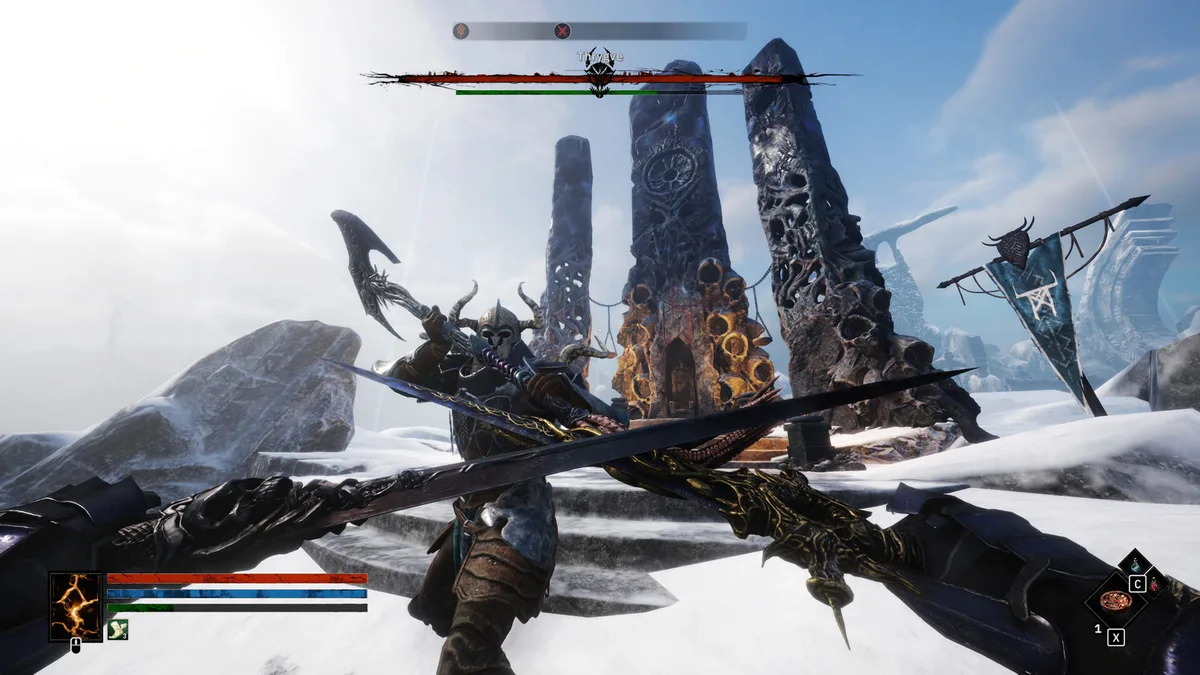 The three zones in Tainted Grail each have distinct visual identities and gear tiers; completing side quests before moving zones is the clearest way to avoid hitting a damage wall.
2. The spell-blade hybrid scales better than pure melee in mid-game
Community playthrough threads often favor the spell-blade build as one strong mid-game pattern, but there is no official tier list or universal best build. The hybrid mixes melee weapon attacks with Scorching Pathway fire spells, so you're dealing physical damage up close and spell damage when enemies back off.
Pure melee works, and a spell-blade is a reasonable starting experiment rather than a mandatory answer. The hybrid can hit useful numbers earlier in zones two and three, but your weapon drops and preferred range should decide whether you stay with it.
GODEEPER: Our full Tainted Grail review covers the build system in detail, including what the community says about alchemy-berserker and wizard playthroughs. Tainted Grail Review: Is It Worth Playing in 2026? →
3. Save manually before every branching dialogue
Quest guidance in Tainted Grail is deliberately minimal. Some questlines have outcomes that lock you out of rewards or change NPC availability in ways that aren't telegraphed at all. The game supports manual saves alongside autosaves.
Before any conversation where you can see multiple response options, save. This is especially true in Cuanacht, where several interlinked questlines affect each other in ways the main quest doesn't bother explaining.
4. Do every side quest before moving between zones
Each region, Horns of the South, Cuanacht, and Forlorn Swords, has gear and questlines that only exist there. Move to the next zone in the main story and some of those quests disappear, or the rewards become irrelevant because the gear tier is lower.
The most common regret on the subreddit is rushing through Horns of the South to reach Cuanacht, then realizing the skipped vendor unlocks and craftable armor recipes would have closed the level gap. Don't be that person.
5. Read every book and note you find
Tainted Grail's world-building comes through readable items: books, journals, letters, and loose notes scattered through every dungeon and settlement. Most players skip them.
That's a mistake for practical reasons, not just lore ones. Some readables contain crafting recipe hints that don't appear anywhere else. Others have dialogue passwords or NPC relationship details that unlock additional quest stages. There's no in-game checklist, so picking up and reading everything as you find it is the reliable approach.
6. Alchemy is an investment, not a side hobby
The alchemy system produces consumables, poisons, and buffs. At a basic level it feels optional. Go deeper and high-spirituality builds can craft consumables that hit harder than most weapons at equivalent cost. That's not a minor edge.
The bottleneck is ingredients. Herb and reagent nodes respawn on roughly a 30-minute real-time cycle in most zones. Consistent alchemy means mapping the node locations in your current zone and looping back periodically, rather than farming only when you've run dry. Practicality, not Spirituality, is the stat to check when planning alchemy output.
7. Blacksmithing is worth the early investment
The crafting system covers fishing, farming, cooking, mining, blacksmithing, and alchemy. Most of it's optional. Blacksmithing isn't, not really. The gear it produces has stats you can actually target, whereas random loot tends to be mismatched for whatever build you're running.
The cost is time gathering iron ore and components. The payoff is not hitting the mid-game gear wall most players run into around the second zone transition.
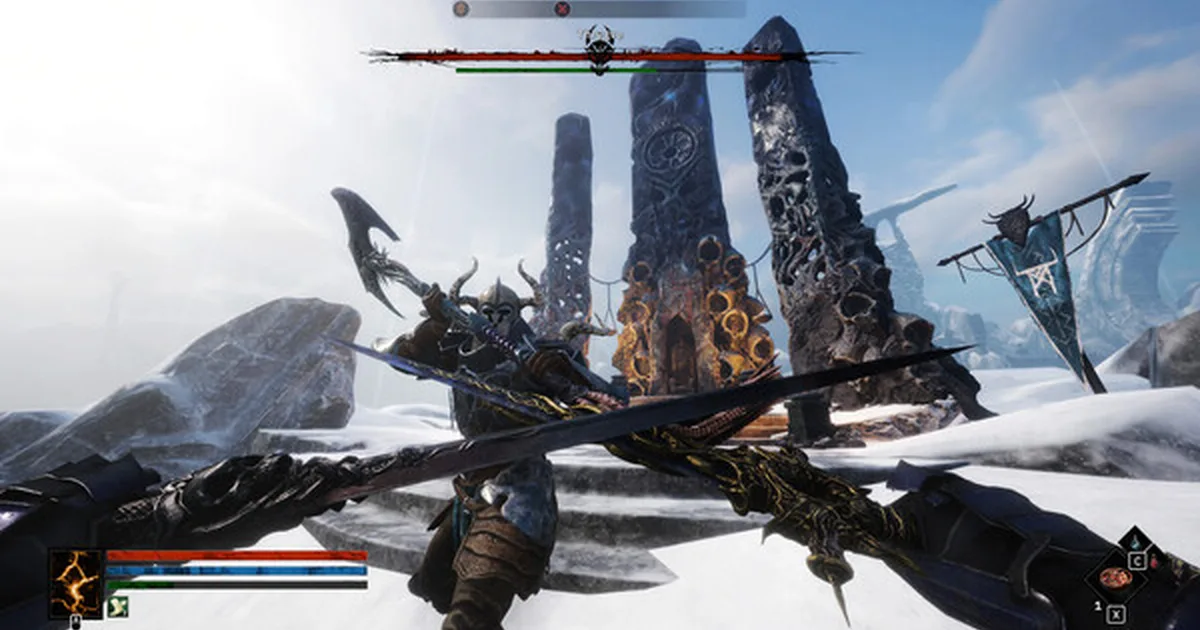
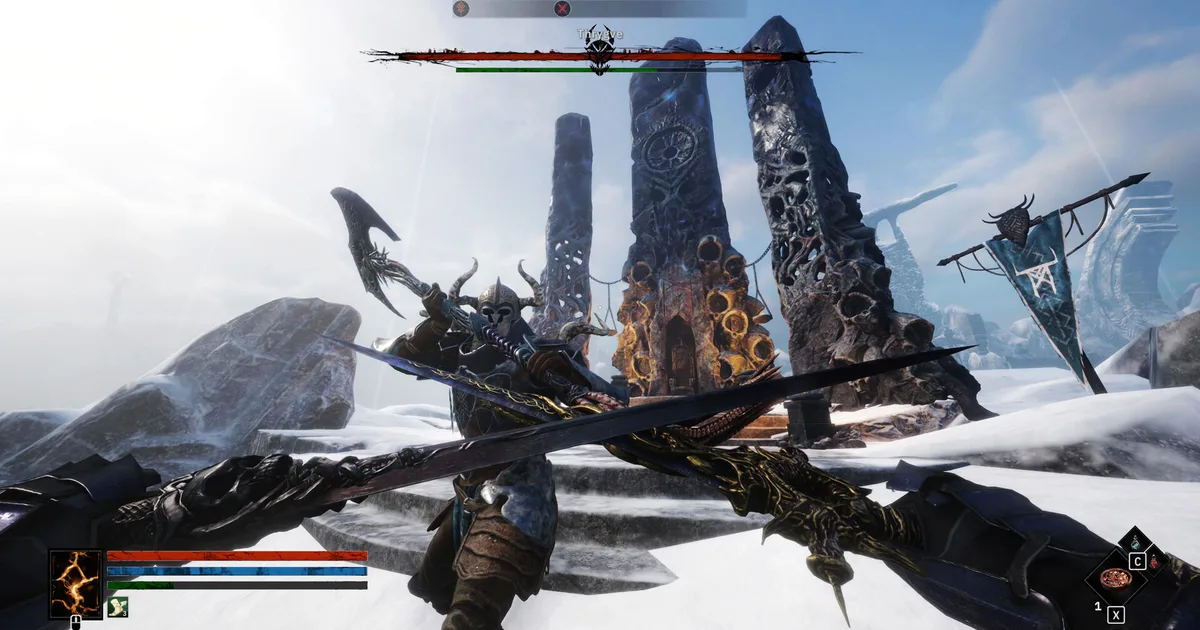
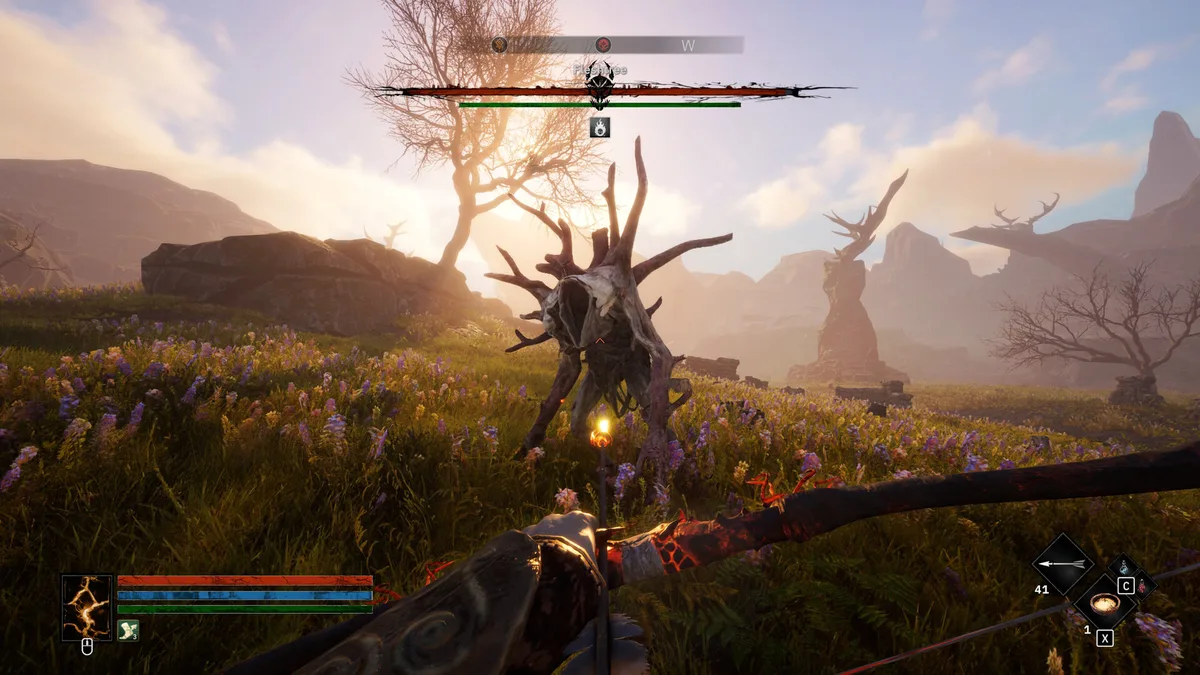 The spell-blade hybrid uses fire spells like Scorching Pathway alongside melee attacks; the combination scales better than pure melee through the second and third zones.
8. Know which old hotfix notes are historical
Two specific bugs got fixed in the 1.23a hotfix (May 2026): a journal popup that fired every time you picked up a fish, even after you'd already unlocked that entry, and a "sell all garbage" error that threw if you had stolen items in your inventory. Neither is a big deal now, but if you're reading an older guide or forum post complaining about either one, know that they're resolved as of 1.23a.
If you're running into other odd behavior, check your version in the main menu against the current 1.25 patch line before assuming it's a mistake on your part. The official 1.25 notes, rather than this older bug list, are the right source for current changes.
9. Combat requires stamina awareness, not just damage output
The combat system uses dodge, parry, and block alongside weapons, bows, throwables, and spells. Stamina governs how many dodges and blocks you can chain. New players often dump everything into damage stats and then can't survive the third or fourth hit in a combo because they've got no stamina left.
GODEEPER: If you want to compare how Tainted Grail's build approach stacks up against another dark-fantasy RPG, our Kristala guide covers a similar skill-and-gear system in a different setting. Kristala Beginners Guide: Clans, Builds, and What to Know First →
A light investment in endurance (the stat governing stamina regeneration) prevents most of the deaths that feel cheap rather than earned. The game is punishing, but it's fair when stamina is actually managed.
10. NPCs have schedules and locations change
Some NPCs who give quests or sell rare items aren't at a fixed location. A few vendors only show up at certain times or only after specific quest stages complete. If an NPC isn't where a guide says they should be, check nearby settlements and try resting to advance time before assuming the guide is wrong.
This is genuinely underdocumented in official sources. The community wiki has NPC location tables for the major vendors, which saves a lot of frustration.
11. Challenge Mode is separate from the main game
Challenge Mode arrived April 30, 2026 as a free DLC. It's a separate ruleset with adjusted enemy damage, modified spawn rates, and tuned encounters aimed at players who want a harder run than the base game offers.
New players don't need to touch it. Challenge Mode is for players who've finished the base game and want something harder. Starting there on a first playthrough would be a rough time.
12. The Anniversary DLC adds a quest and gear, not story progression
Bonus Content #3: Anniversary (free, released May 22, 2026) adds a side quest and new gear rather than a new zone or story chapter. Bonus Content #4 later added new archer and sorcerer playstyles, sets, bows, and wands without changing the region route.
Don't hold off on starting the game waiting for more DLC content. The free drops have consistently been supplemental additions rather than load-bearing story content.
Related Reading
- Tainted Grail Review: Dark Arthurian RPG Worth Playing?: Full breakdown of the build system, the real regions, and whether the 50-70 hour runtime holds up.
- Tainted Grail: Anniversary DLC and Patch 1.23 Notes: Everything added in the free Bonus Content #3 anniversary release.
- Kristala Beginners Guide: Tips, Clans, and What to Expect: A similar dark-fantasy RPG with a comparable open-ended build system, useful comparison for players who enjoy Tainted Grail's style.
- Tainted Grail Best Builds: 5 Real Community Setups 2026: five build patterns sourced from real Steam and Reddit discussion, not an invented tier list.
- Tainted Grail Complete Guide Hub: the hub for regions, builds, quests, and progression.
- Tainted Grail Crit Build Guide: a focused alternative to the spell-blade pattern.
- Tainted Grail New Game Plus Guide: what carries into a second run.
- Tainted Grail Alchemy Guide: a deeper look at the Practicality-driven crafting route.
- Tainted Grail Best Gear Guide: weapons and armor to watch while exploring.
- Tainted Grail Boss Guide: encounter preparation beyond general survival tips.
- Tainted Grail Zones Exploration Guide: route planning for the regions this tips guide summarizes.
Step-by-Step: use these tips in a first run
Step 1: Put a small early budget into Spirituality. Ten to fifteen points keeps spell and dialogue options open without forcing a magic build; keep Practicality in mind if alchemy is the goal.
Step 2: Finish local side quests before crossing a region boundary. Save before branching dialogue, clear vendor and recipe tasks, and only then push the main story forward.
Step 3: Build around the gear and spells you actually find. A spell-blade is a strong experiment, not a rule; stamina, weapon range, and current drops matter more than a fixed internet tier list.
Step 4: Check the patch before troubleshooting. The old 1.23a fixes remain useful historical context, but the official 1.25 feed is the current reference for new items, playstyles, and challenge changes.
Frequently Asked Questions
What is the best build in Tainted Grail: Fall of Avalon? There's no official tier list. Real community discussion favors several approaches: a spellsword hybrid pairing a weapon with a spell, a fragile but high-damage full mage build, and Perception-driven crit builds. See the dedicated builds guide for details sourced from actual player discussion.
How do I level up fast in Tainted Grail? Complete side quests in each zone before moving to the next. They give consistent XP and often unlock gear that matters for the next zone's combat. Clearing enemy camps also provides steady XP on top of quest rewards.
Is spirituality important for non-magic builds? Yes. Ten to fifteen points in spirituality is worth it for any build. It unlocks dialogue checks in key side quests, which apply to melee and ranged builds equally. Alchemy potency comes from Practicality instead.
Does the game have a map? Yes, a full world map is in the menu. It shows the major region boundaries but quest markers are minimal by design. Use landmarks and region exploration rather than relying on markers.
Can you respec your build? Yes. Specific NPCs found during the main story let you fully respec attributes and skills. The cost scales with how many points you reassign, but early mistakes aren't permanent.
Is Tainted Grail worth playing in 2026? The September 18 snapshot shows 87% positive from 19,793 English reviews at $44.99. The game has continued receiving free content and patch work, with Patch 1.25 adding new ranged playstyles and gear. The base game still offers a substantial 50-70 hour thorough run, but the exact length depends on how many side quests and endings you pursue.
References
- Tainted Grail: The Fall of Avalon on Steam: official page, current price, patch notes, and DLC listing
- Tainted Grail official announcements: Patch 1.25 and Bonus Content #4 notes
- Awaken Realms official site: developer studio information and game page
- r/taintedgrail community: community tips, build discussions, and patch reaction threads
- Tainted Grail: The Fall of Avalon on Loaded (sponsored): same Steam key as the official $44.99 listing, worth checking for a lower price
Was this guide helpful?
About the author

Indie & JRPG Critic
Indie game evangelist and lifelong JRPG fan covering small studios since 2017. Mumbai-born, London-based. Writes the way she talks.
- 7 years indie games coverage
- JRPG and visual novel specialist
- Narrative design focus
Keep reading

Disclaimer
This article is published for informational and entertainment purposes. It does not constitute professional financial, legal, or technical advice. Game performance, online services, patch schedules, and store listings change. Verify critical details (pricing, system requirements, regional availability) with publishers and storefronts before you buy. Affiliate links, where present, help support our editorial work and are labelled in our affiliate disclosure.
Comments
Loading comments…