
GuideSlay the Spire 2
Slay the Spire 2 Defect Build Guide: Orbs and Focus
This Slay the Spire 2 Defect build guide starts with the roster check that should happen before choosing a character. The official Steam page confirms five playable characters, and the current character wiki names them as Ironclad, Silent, Regent, Necrobinder, and Defect. Since the existing cluster already has a Silent solo build, this article chooses Defect as the next under-covered build lane.

Sponsored

TL;DR: Defect wins by making Orbs do more work than a normal card-by-card deck. Build a small, defensive shell first, then choose a lane from the rewards: Frost and Focus for sustained block, Dark for a charged burst, Lightning for multi-target pressure, or Claw for a fast zero-cost deck. Do not force a remembered Slay the Spire 1 list. Early Access values and card pools can change, and current data lists most Focus gains as temporary with Defragment as a rare permanent source.
Sponsored

Slay the Spire 2 Defect build: quick answer
- The verified Slay the Spire 2 roster is Ironclad, Silent, Regent, Necrobinder, and Defect.
- The official Steam listing says there are five playable characters and up to four-player co-op.
- The Defect starts with Cracked Core, which channels one Lightning Orb at combat start in current character data.
- Orbs have passive and Evoke effects. Focus amplifies both kinds of value.
- Frost is the safest defensive foundation, but it should not crowd out damage or card draw.
- Dark, Lightning, and Claw are real lanes, not instructions to draft every card with the word in its name.
- Current data is Early Access sensitive. Treat card tiers and exact effects as a patch snapshot, not permanent law.
Current status: September 18, 2026
The live Slay the Spire 2 Steam page lists Mega Crit as both developer and publisher, a March 5, 2026 Early Access release, and a $24.99 US price. Its English review panel showed 70,010 reviews at 91% Very Positive, with 4,124 recent reviews at 72% Mostly Positive in the snapshot checked September 28, 2026.
The official page also confirms five playable characters and up to four-player co-op, but it does not print all five names in the visible listing. The roster choice for this guide was verified against the character wiki's full list: Ironclad, Silent, Regent, Necrobinder, and Defect. That check is why this article covers Defect instead of assuming that the existing Silent solo build is the only returning-character template.
Mega Crit's official Steam announcements discuss work on another character, but that is a development update rather than a shipped roster change. The current five-character list remains the safe roster snapshot for this guide. For route fundamentals while that roster evolves, use the Slay the Spire 2 beginner guide alongside this Defect build.
 Every Defect run still has to solve the map, the fights, and the reward choices around the Orb engine.
Defect fundamentals: slots, passives, and Evokes
Defect channels Orbs into slots. The Orb in a slot performs a passive effect, while Evoke triggers its burst effect and removes or moves the Orb depending on the card. This makes the order of the slots part of the build. A Frost Orb sitting safely in the back is not the same decision as evoking it now to gain its immediate Block.
Current character data lists five Orb types in the Early Access build: Lightning, Frost, Dark, Plasma, and Glass. Lightning supplies damage, Frost supplies Block, Dark accumulates damage before release, Plasma supplies Energy, and Glass is a newer area-focused Orb type. Exact values and card text can change, so the names and roles are more durable than a copied number from a launch video.
Focus amplifies Orb values. That creates the Defect's central tension: channeling more Orbs is useful, but adding Focus can make every slot and every Evoke worth more. The right deck does not automatically chase the maximum number of slots. It makes sure the cards that fill those slots are worth drawing and that the deck can survive before the engine is online.
Step-by-step: build Defect from the first rewards
1. Fix the immediate damage problem: The starter deck can block and channel, but it still needs a reliable way to end early fights. Take an efficient damage card or an Orb card that does damage without making the deck too slow.
2. Add one defensive direction: Frost is the most forgiving early foundation because passive Block compounds across turns. Glacier and Cold Snap are current data examples, but take the cards that appear rather than waiting for a perfect name.
3. Choose the lane after the first useful reward: If Frost and Focus appear, lean into sustained defense. If Darkness or Multicast appears, consider Dark burst. If Electrodynamics or Storm appears, Lightning and Power synergies become reasonable. If Claw and All for One appear together, a zero-cost deck can be the correct pivot.
4. Solve draw and Energy: Defect decks can contain powerful cards that never arrive in time. Machine Learning, Hologram, and energy tools are valuable because they turn a collection of good cards into a turn that actually happens.
5. Remove starter cards when the deck has a plan: A Strike or Defend removed at the wrong time can leave the deck short on a basic role. Remove cards after you know the engine has enough damage or defense, not simply because a shop offers the option.
6. Stop adding once the deck is coherent: Every new card must justify its draw. Defect has many exciting cards, and taking all of them is an easy way to dilute the Orb engine.
Frost and Focus: the stable defensive build
Frost and Focus are the best entry point when the reward screen offers steady defense. Frost passives create Block every turn, while Focus scales that Block and the Evoke value. Glacier is a high-value bridge because current data lists it as both a Frost source and a Focus card. Loop can trigger the rightmost Orb passive at turn start, which makes slot order matter even more.
The trap is believing that one rare Defragment solves the build. Current data lists Defragment as Rare in Slay the Spire 2, and most Focus gains as temporary. Build a defense that works with Frost cards, draw, and positioning even if Defragment never appears. Biased Cognition offers a large temporary Focus gain with decay, so play it when the fight's timeline makes the temporary value worth the loss later.
Frost builds still need damage. A deck that survives forever but cannot finish a scaling enemy is not a finished build. Add a damage lane, a Dark Orb charge, or a reliable attack that benefits from the same draw and Energy package.
Dark Orb burst: charge, protect, release
Darkness channels a Dark Orb that accumulates damage over time. The plan is to protect that Orb with Frost or Block, let it grow, then Evoke it for a large burst. Multicast can Evoke the leftmost Orb multiple times in current data, making it a natural payoff when the Dark Orb is ready. Quadcast and Rainbow can support the same idea while giving the deck flexibility.
Dark is not a license to ignore defense. The charge turns are exactly when an enemy can punish a greedy hand. Add Frost, Buffer, or a reliable defensive card before taking a second expensive payoff. Hologram is especially useful because it can return a key card from discard when the deck has already spent its setup.
Lightning and Powers: clear groups safely
Lightning becomes more attractive when a run presents multiple enemies or when Power cards are already part of the deck. Electrodynamics changes Lightning so its passive or Evoke can hit all enemies according to current data. Storm channels a Lightning Orb when you play a Power, which gives a Power-heavy deck a way to generate damage while it sets up.
This lane needs a clear answer to single targets. Barrage scales from the number of Orbs currently channeled, while Thunder Strike rewards repeated Lightning generation. The exact card values are patch-sensitive, but the drafting question remains stable: are you gaining enough Orbs and drawing enough cards for the finisher to be better than a simple attack? The Slay the Spire 2 review gives the wider Early Access context, while the beginner guide explains why a strong map path matters as much as a strong reward. The characters and co-op guide records the roster context behind this Defect choice.
Claw spam: a deliberate non-Orb plan
Claw is the most important exception to the advice to build around Orbs. Current data lists it as a zero-cost attack that increases the damage of future Claws when played. All for One returns zero-cost cards from discard, Hologram recycles a key card, and Scrape helps find cheap cards. Together, those effects can create a fast deck that ignores Orb relics and focuses on repeated low-cost plays.
Do not mix Claw spam with a half-built Frost engine just because both cards appear. The deck needs enough Claws and enough recursion to justify the lane. If the reward screen supplies only one Claw and no way to cycle it, keep drafting a conventional damage plan.
 The full roster was verified before choosing Defect for this second build article.
Relics, potions, and map decisions
Defect benefits from relics that add Orb slots, improve Focus, supply Energy, or make powers easier to play. Runic Capacitor and Gold-Plated Cables are current character-data examples, while Data Disk and Emotion Chip can support a broader setup. Do not turn this into a shopping list: a relic that solves the deck's current bottleneck is better than a famous name that does nothing in the next three fights.
At shops, prioritize removal when the deck is diluted, then look for draw, Energy, and a card that completes the chosen lane. At rest sites, upgrade a card that changes a fight's first two turns rather than a card you hope to draw once per combat. On the map, prefer a path with enough ordinary fights to build the engine but enough recovery to survive a bad Elite.
The Slay the Spire 2 beginner guide covers map and reward fundamentals, while the characters and co-op guide explains how the five-character roster changes in multiplayer.
Common Defect mistakes
- Taking every Orb card without checking draw, Energy, or slot capacity.
- Treating temporary Focus as permanent and planning a long fight around a buff that will decay.
- Waiting for Defragment instead of drafting defense that works now.
- Adding expensive powers without a way to draw or play them.
- Mixing Claw with an Orb engine before either plan is large enough.
- Evoking the only Frost Orb for a small burst and then discovering the next enemy attack is lethal.
- Building for a boss you hope to meet while losing ordinary fights on the way there.
Defect in co-op
In co-op, Defect can provide sustained Block, area damage, or setup that another character converts into a safe turn. Tell teammates whether you are building toward Frost defense, Dark burst, Lightning clearing, or Claw cycling. A co-op partner should not spend a shared opportunity assuming your Orbs will be ready if your deck still lacks draw.
The Slay the Spire 2 co-op guide is the right companion for multiplayer-specific cards and turn planning. Defect's role is flexible, but the same deckbuilding rule applies: define the next fight's problem before taking a card.
Related Reading
- Slay the Spire 2 Complete Guide: 5 Characters and Co-op: central hub for character choices, builds, and co-op context.
- Slay the Spire 2 Beginner Guide: map, rewards, and first-run fundamentals.
- Slay the Spire 2 Silent Solo Build: the existing character build in this cluster.
- Slay the Spire 2 Characters and Co-op Guide: verified roster and multiplayer context.
- Slay the Spire 2 Review: Early Access context.
- Best Roguelike Games: broader deckbuilder comparison.
References
- Slay the Spire 2 on Steam: official five-character count, co-op, Early Access status, price and live review snapshot checked September 28, 2026.
- Slay the Spire 2 character list on the wiki: full five-name roster verification.
- Defect character data on SpireWiki: Orb types, Focus, card roles, and build archetypes, marked as Early Access data.
- Mega Crit Neowsletter: official developer context and Defect community art.
- Slay the Spire 2 Steam announcements: current patch channel.
Frequently Asked Questions
Why choose Defect for the second build article?
The existing cluster already has a Silent solo build. Before choosing another character, the roster was checked against the official Steam page and a current wiki. The five confirmed names are Ironclad, Silent, Regent, Necrobinder, and Defect, so Defect fills a clear under-covered lane.
Is Frost the only good Defect build?
No. Frost and Focus are forgiving because they create repeatable defense, but Dark burst, Lightning Powers, and Claw cycling are legitimate paths when the reward screen supports them.
Should every Defect deck use Focus?
Focus is powerful because it scales Orb values, but a deck still needs cards that channel Orbs, draw them, and survive before the scaling arrives. Do not take a Focus card that leaves the immediate fight unsolved.
What is the biggest Defect beginner error?
Taking too many exciting cards. Defect has many high-ceiling options, but a diluted deck cannot assemble its Orb slots or defensive hand when it matters.
Can Defect work in co-op?
Yes. Steam supports up to four-player co-op, and Defect can contribute defense, area damage, or setup. Tell the team which lane you are pursuing so partners do not plan around an engine that is not yet online.
Will this guide remain correct after Early Access patches?
The principles are more stable than the exact card values, but card rarity, Focus behavior, and reward pools can change. Recheck the current patch and in-game text before treating a tier or number as permanent.
Was this guide helpful?
About the author

Action & Design Desk
GameBrief's byline for platformers, horror and action games. Dry, short paragraphs, strong opinions about tutorials and boss design.
- Action, platformers and horror
- Tutorials, onboarding, boss design
- Sources listed per article
Keep reading
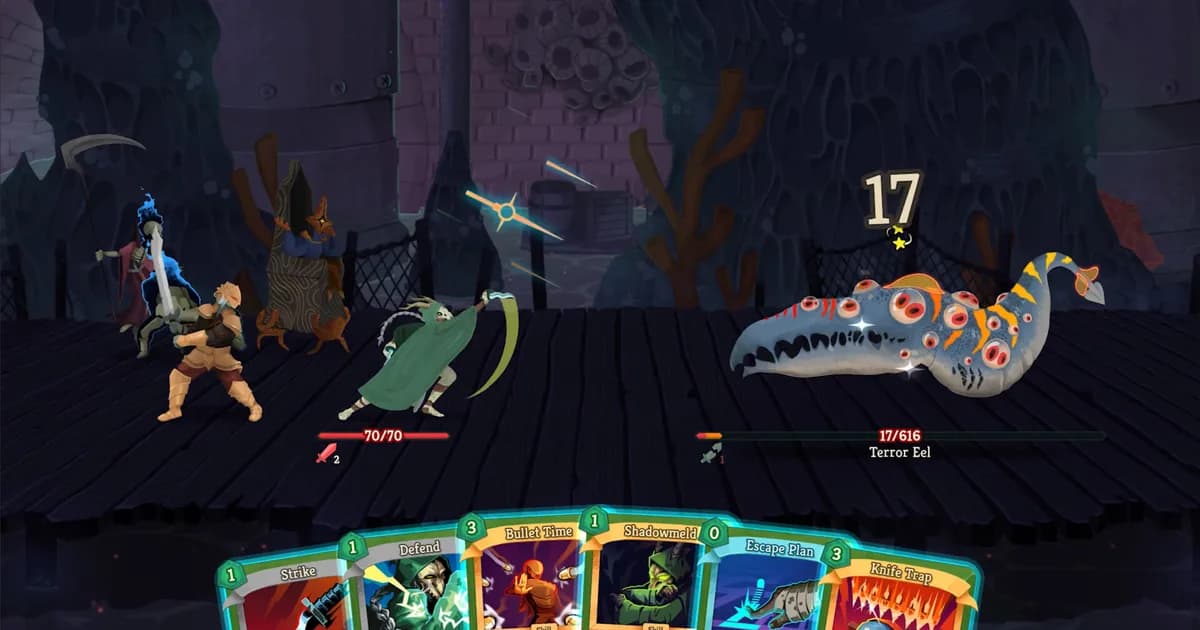
Slay the Spire 2 Ironclad Build 2026: Strength + Exhaust
General · 14 min
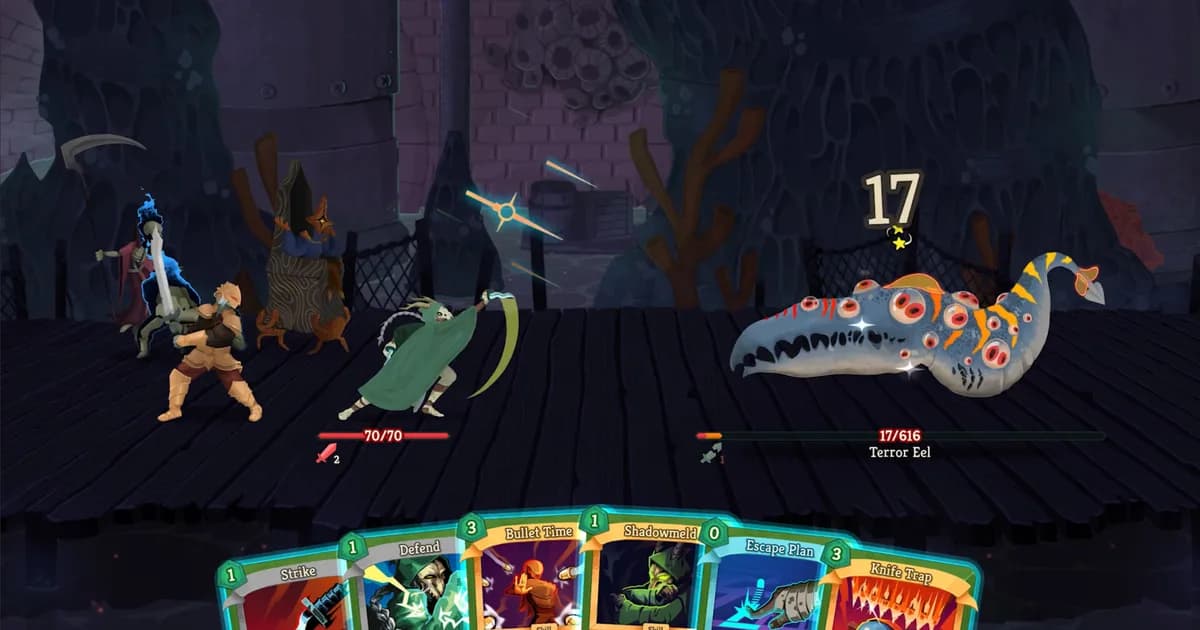
Slay the Spire 2 Complete Guide: 5 Characters and Co-op
General · 15 min
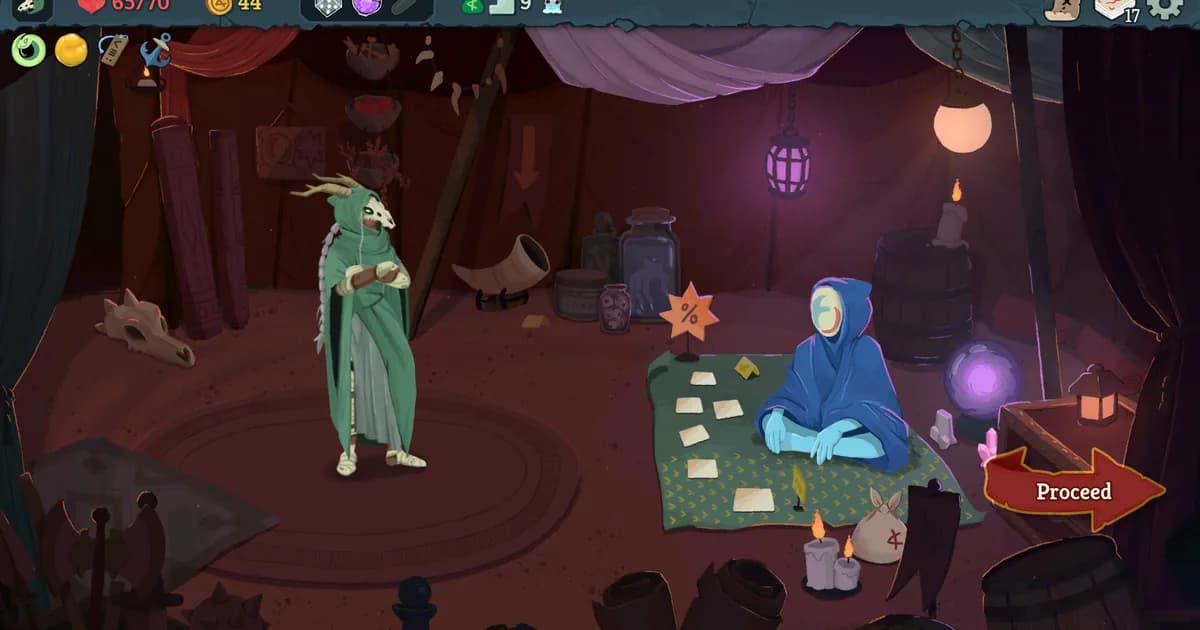
Slay the Spire 2 Silent Solo Build Guide for Ascension 10
General · 14 min
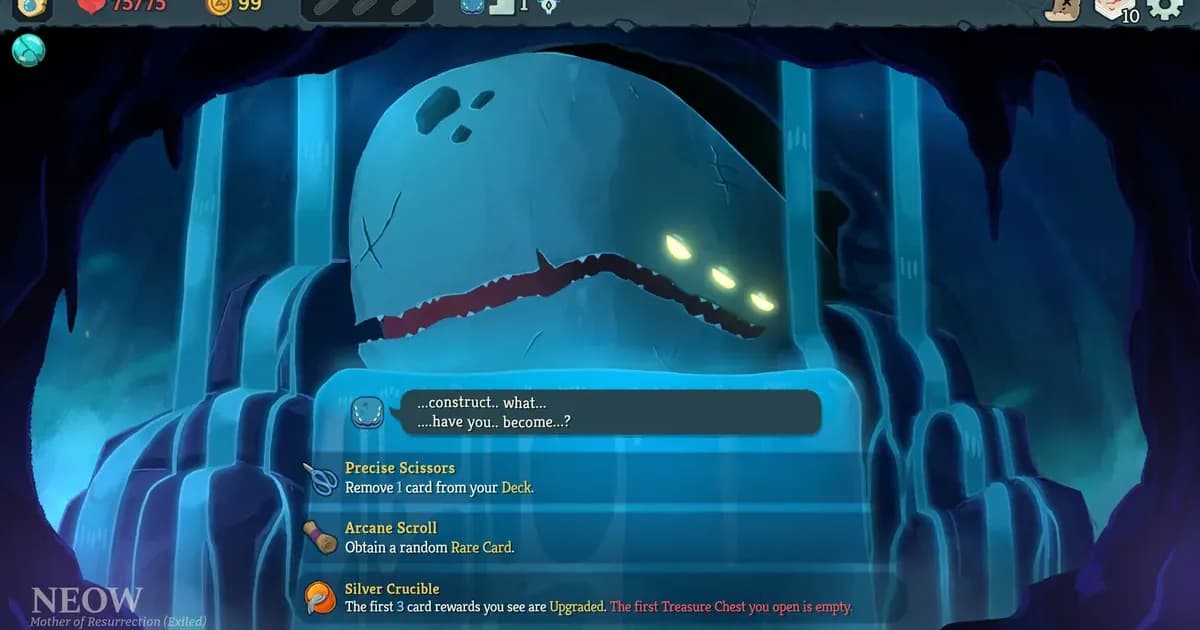
Slay the Spire 2 Beginner Guide: All 10 Ascension Levels
General · 11 min
Slay the Spire 2 Review: What the Steam Score Misses
General · 12 min

Slay the Spire 2 Best Duo Characters: All 5 Ranked
General · 18 min
Sponsored
More game deals
Disclaimer
This article is published for informational and entertainment purposes. It does not constitute professional financial, legal, or technical advice. Game performance, online services, patch schedules, and store listings change. Verify critical details (pricing, system requirements, regional availability) with publishers and storefronts before you buy. Affiliate links, where present, help support our editorial work and are labelled in our affiliate disclosure.
Comments
Loading comments…