
NewsCursemark
Cursemark Roguelite: 7 Spell Schools and Rune Builds
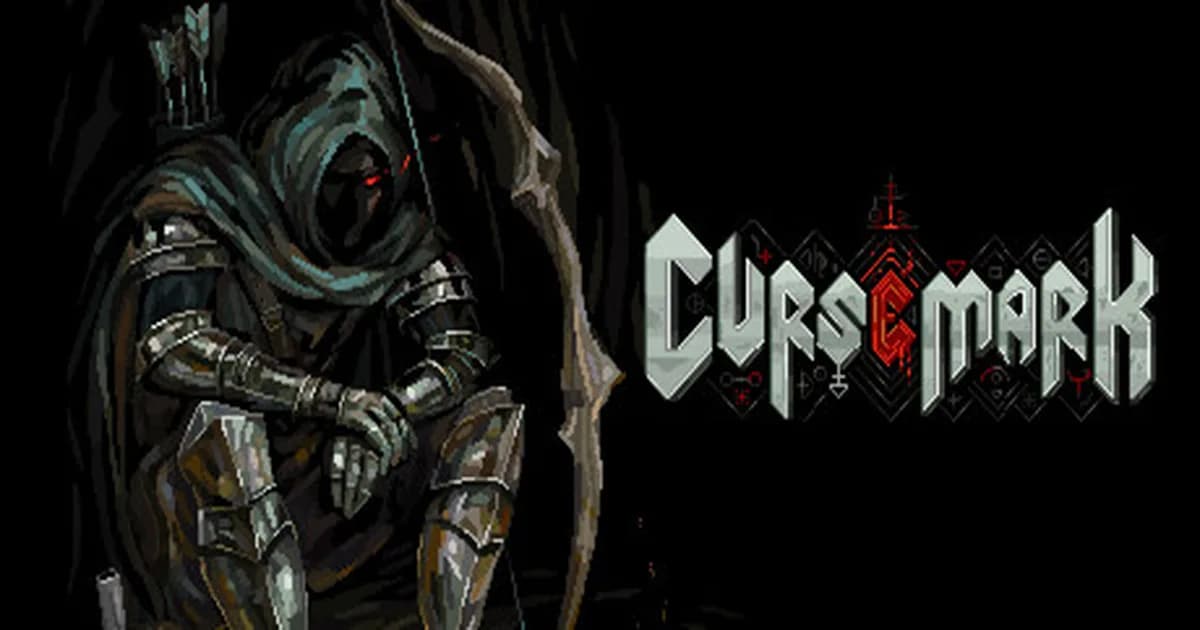
Cursemark roguelite just hit Early Access. It's a hack-and-slash where runes rewrite every ability for near-limitless builds. Here's what to know first.
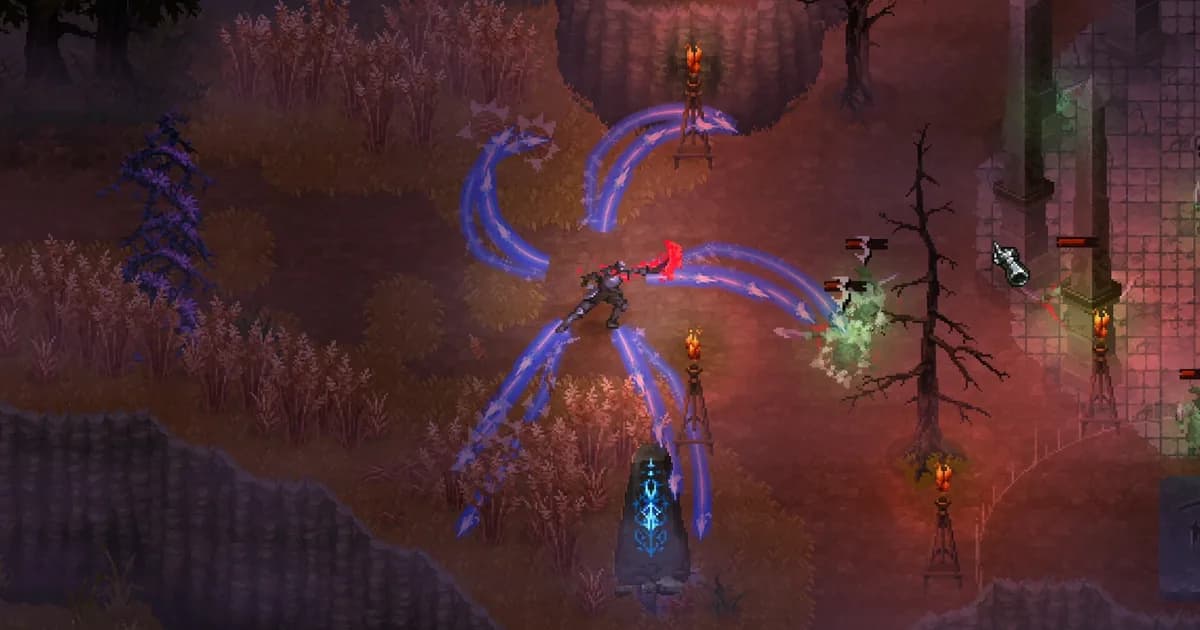
Cursemark roguelite arrived in Steam Early Access on June 8, 2026, and it is chasing the one thing roguelite players never get tired of: builds that break the game in new ways every run. CLYDE games and publisher Mad Mushroom are leaning hard on a rune system that rewrites your abilities, and that is the part worth paying attention to.
Sponsored

About the game
Cursemark
Current status: September 29, 2026
Cursemark is still in Early Access. The official Steam listing showed $14.99, Very Positive at 86% from 599 total reviews, and Very Positive at 95% from 40 recent reviews in the September 29 snapshot checked for this audit. The current $10.49 sale ends September 30. Boreal Ascent is live with a new zone and 37 locations, while Steam still lists the game as single-player and the Early Access plan leaves room for additional areas, spells, wards, ultimates, runes, and talismans.
What is Cursemark? (quick answer)
Cursemark roguelite is a top-down fantasy hack-and-slash where you play a cursed mage-knight clearing the Unknown Lands. The core idea is runes: modifiers you slot into your attacks, spells, wards, and ultimates that change how each one behaves. The developer's pitch is near-limitless build diversity, and the early systems back that framing.
Key takeaways
Sponsored

- Cursemark launched in Early Access on June 8, 2026 (CLYDE games / Mad Mushroom)
- It is a top-down action roguelite built around melee plus spellcasting
- Runes rewrite abilities: chain lightning on your sword, multiplied fireballs, ice pillars on cast
- Seven spell schools: Celestial, Divine, Draconic, Lightning, Ice, Rot, Umbral
- It is single-player focused at launch, with content expanding through Early Access
The rune system is the whole pitch
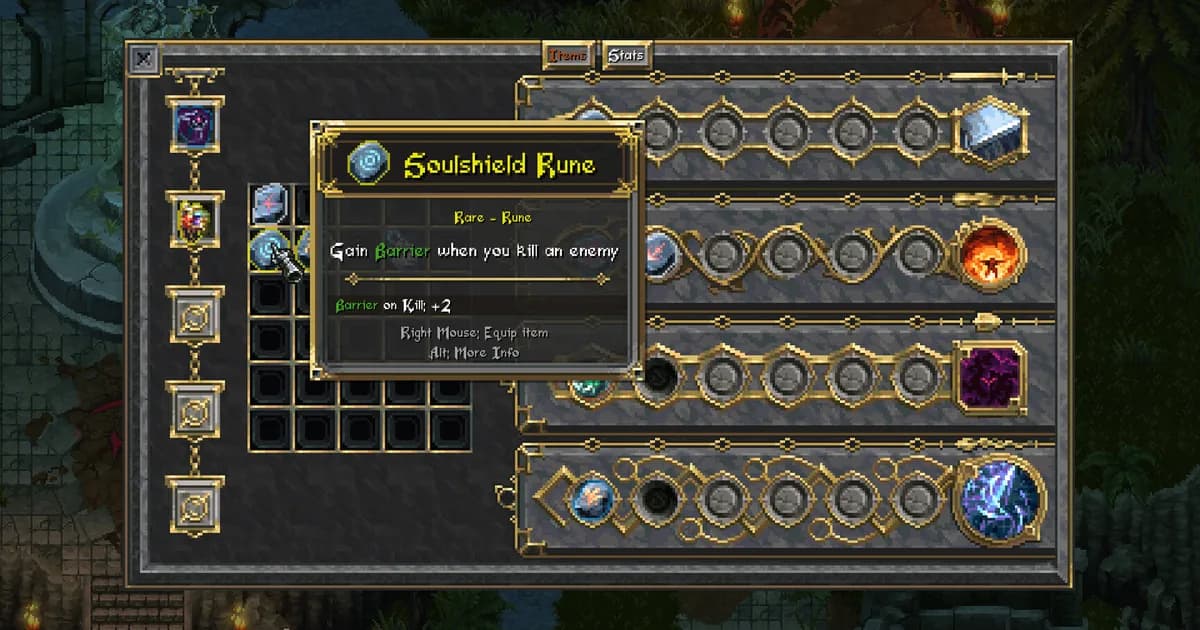
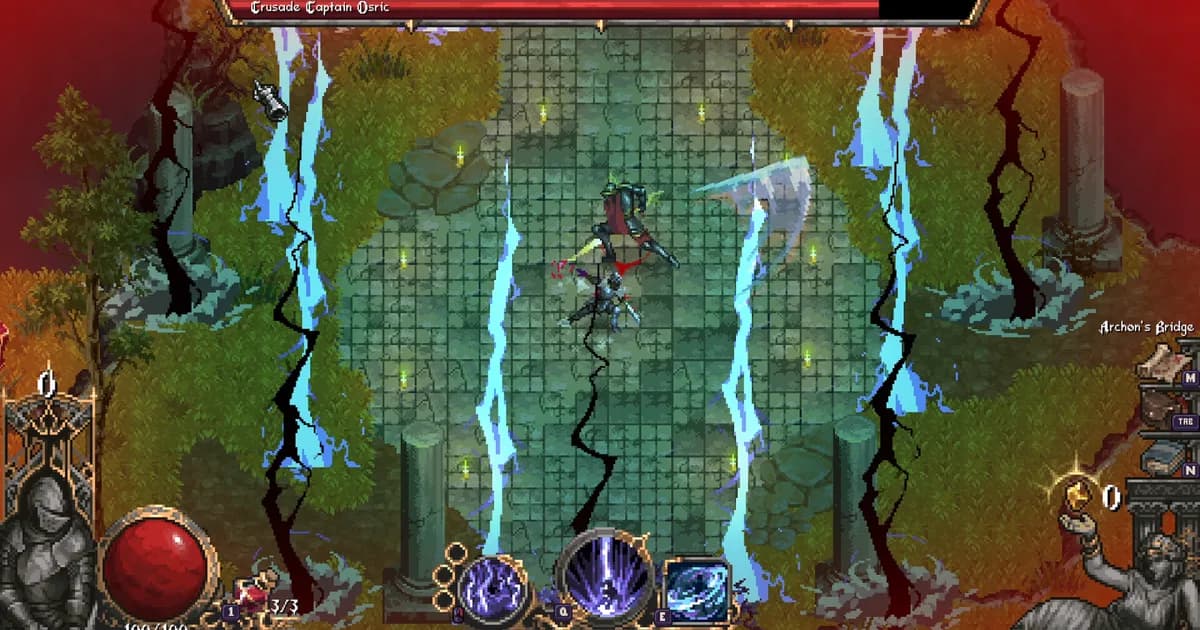
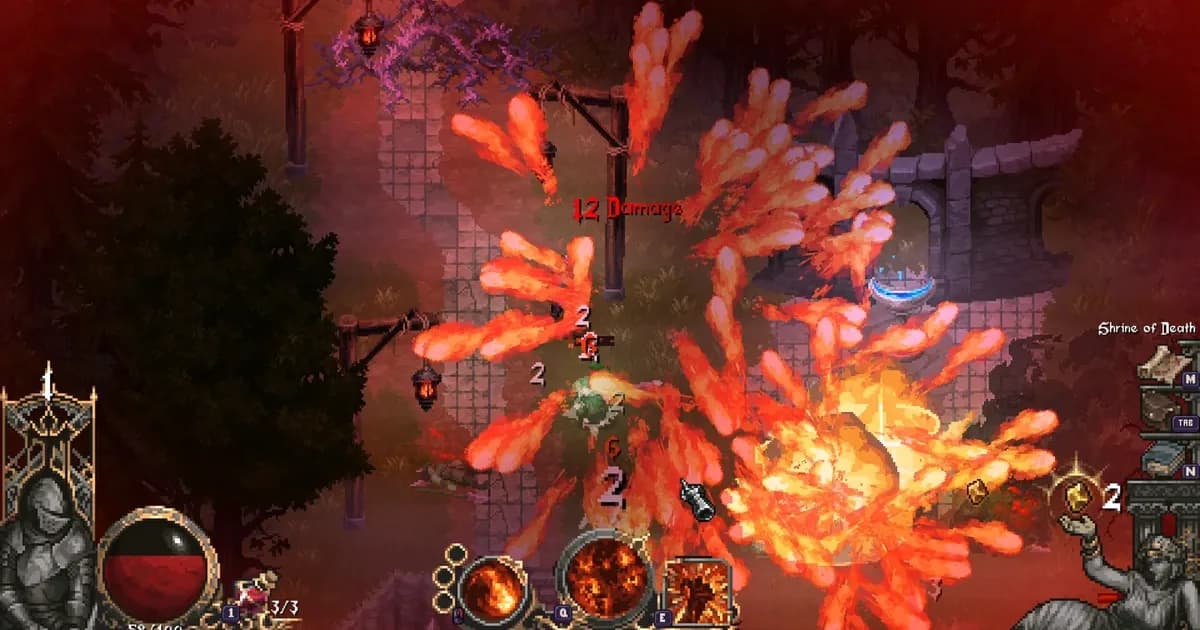
Most roguelites give you relics that buff numbers. Cursemark's runes change behavior. The developer's examples are specific: add chain lightning to your sword, burst enemies into poison clouds, multiply your fireball and erupt ice pillars from the ground when you cast it, or blind enemies and heal yourself when they strike your ward.
That last one matters more than it sounds. Wards (defensive abilities) becoming a source of healing and crowd control means a rune can flip a defensive tool into an offensive engine. When modifiers apply across attacks, spells, wards, and ultimates rather than just one slot, the combinations multiply fast. This is the same design philosophy that makes rune and relic roguelites replayable, the kind you can see in our Rune Dice relics guide, where build coherence beats raw stats.
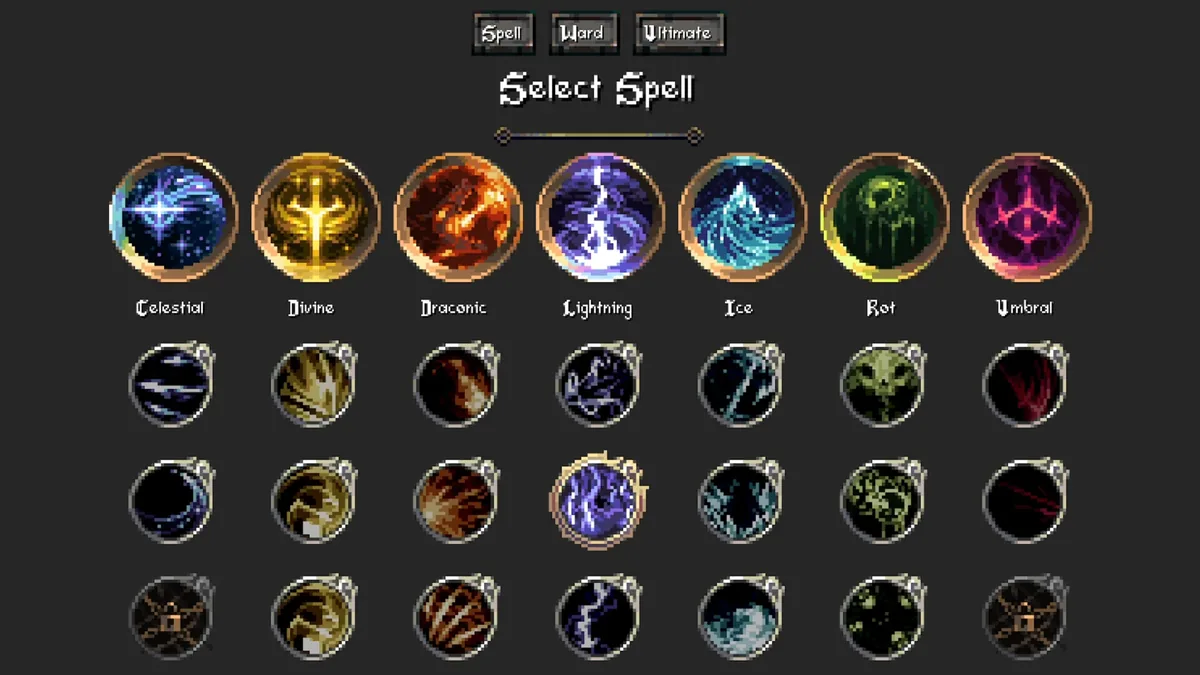 Seven spell schools, each with several spells, and runes that rewrite how each one behaves. That is where Cursemark's build depth comes from.
Seven spell schools to build around
The spell screen lays out seven schools: Celestial, Divine, Draconic, Lightning, Ice, Rot, and Umbral. Each holds multiple spells, and the rune layer sits on top. A Rot build that spreads poison clouds plays nothing like a Lightning build chaining bolts between packs. The depth is in how a school's identity changes once you start stacking runes that alter cast behavior, projectile count, or on-hit effects.
If you enjoy this style of build-first roguelite, our roundup of the best indie roguelites covers more in the genre, and the Rune Dice tier list breaks down how class identity shapes a run.
What to watch in Early Access
Early Access is a promise, not a finished game. The September 25 Boreal Ascent update is already live, adding a zone, new enemies, an unnamed miniboss, an unnamed major boss and 16 skills. The current questions are how well the expanded routes sustain repeated runs and whether the rune combinations stay balanced enough to feel rewarding rather than random. Compare the spell schools guide and beginner tips guide with the live listing before buying for the latest scope.
Frequently Asked Questions
What is Cursemark? A fantasy action roguelite from CLYDE games (published by Mad Mushroom) where a cursed mage-knight fights through the Unknown Lands using melee and spells, with runes that rewrite every ability. It hit Early Access on June 8, 2026.
Is Cursemark in Early Access? Yes, since June 8, 2026. The build is playable but still in development.
How do builds work? Runes slot into attacks, spells, wards, and ultimates and change how each behaves, so runs play very differently depending on which runes you stack.
What spell schools are there? Seven: Celestial, Divine, Draconic, Lightning, Ice, Rot, and Umbral.
Is Cursemark worth buying in Early Access? If rune-driven build variety is your thing, the systems look promising. Check the current content scope and stability before buying, because the Early Access plan is still changing.
Related Reading
- Cursemark Review: A Roguelite Built Around Rune Depth (2026): Cursemark review: 86% positive across 599 Steam reviews, 7 spell schools and rune-driven builds, with Boreal Ascent now live.
- Cursemark Secrets and Sigils Guide: All Unlocks (2026): Cursemark secrets and sigils: where Attunement Sigils drop, hidden area names, elemental puzzles, and every.
- Cursemark Tips: 10 Things to Know Before Your First Run: Cursemark tips for new players: when to reroll runes, how to pace the curse, well.
References
About the author

Indie & JRPG Desk
GameBrief's byline for indie, JRPG, visual novel and cozy games. Warm, direct, and willing to say which one to buy.
- Indie, JRPG and visual novels
- Early access and survival
- Sources listed per article
Keep reading
Cursemark Review: A Roguelite Built Around Rune Depth (2026)
General · 7 min
Cursemark Tips: 10 Things to Know Before Your First Run
General · 9 min
Cursemark Secrets and Sigils Guide: All Unlocks (2026)
General · 12 min
Cursemark Boss Guide: Launch Bosses and Routes (2026)
General · 9 min
Cursemark Complete Guide: Nearly 100 Runes & Builds
General · 14 min
Cursemark Weapons Tier List: 7 Launch Weapons Ranked 2026
General · 9 min
Sponsored
Disclaimer
This article is published for informational and entertainment purposes. It does not constitute professional financial, legal, or technical advice. Game performance, online services, patch schedules, and store listings change. Verify critical details (pricing, system requirements, regional availability) with publishers and storefronts before you buy. Affiliate links, where present, help support our editorial work and are labelled in our affiliate disclosure.
Comments
Loading comments…