
GuideSubnautica 2
Subnautica 2 Immortal Creatures: Why You Can't Kill Fauna
Subnautica 2 immortal creatures are the thing the game's subreddit argued about most in the first week after Early Access launch. The thread "Why can't we kill the creatures?" accumulated thousands of upvotes and pulled in a developer response that made the position clear: this is by design, it's not changing, and there's a mod if you need it.
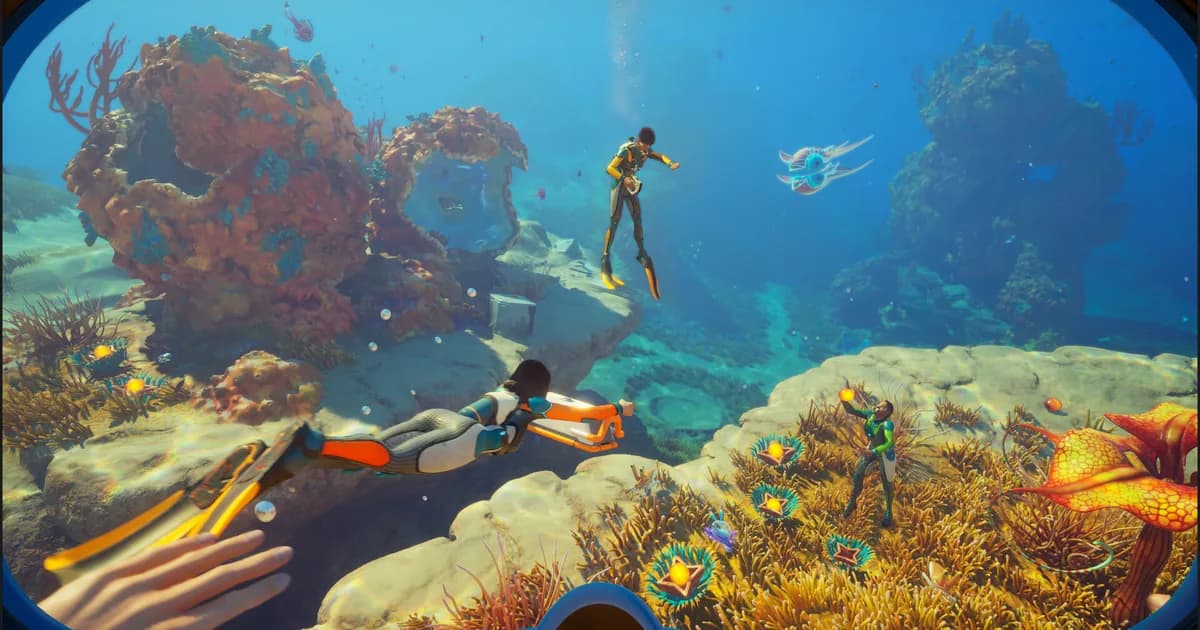
About the game
Subnautica 2
Unknown Worlds Entertainment · Unknown Worlds Entertainment
TL;DR: Subnautica 2's creatures are unkillable by design, confirmed by Unknown Worlds, not a bug or a missing feature. The reasoning: it's a survival-exploration game about avoidance and ecosystem, not a combat game, and the original's knife was always near-pointless. There is no weapon and no plan to add one, though a community mod re-enables killing. Play around it: read behavior, evade predators, and use the Seaglide rather than expecting to fight back.
This guide explains what the design actually does, why Unknown Worlds made this call, and how to handle the game's aggressive fauna when you can't simply eliminate the problem.
Can you kill creatures in Subnautica 2? (quick answer)
No. Subnautica 2's base-game fauna remains invulnerable by design, and the current official announcement feed checked for this audit does not announce a lethal-fauna change. The practical answer is still to read behavior, evade predators, and use the environment instead of trying to clear a patrol.
- All fauna in Subnautica 2 is invulnerable: small creatures, predators, and Leviathans alike
- Unknown Worlds confirmed this is intentional: "You are here to exist on this planet, not to dominate it"
- The original Subnautica had the same design; this is a continuation, not a new restriction
- A Steam Workshop mod exists for lethal damage if you want it: the devs didn't object to its existence
- Practical implication: every encounter is an evasion problem, not a fight
- Leviathan detection radii are fixed, learnable, and manageable once you know them
Subnautica 2 current status: September 18, 2026
Subnautica 2 remains in Early Access, and the US Steam listing was $29.99 when checked for this audit. Unknown Worlds' official announcement feed includes the Buddy System 1.2 update and subsequent hotfix coverage, but nothing there changes the creature-invulnerability answer above. Treat the launch-era creature behavior notes below as guidance for the live Early Access build, not a promise that future fauna will work the same way.
Why Unknown Worlds made fauna invulnerable
The explanation from the lead developer, responding to community questions in May 2026, was direct: the game is designed around existing on an alien world rather than conquering it. "You are here to exist on this planet, not to dominate it."
This isn't a technical limitation or a production shortcut. The original Subnautica had the same system: aggressive fauna like the Reaper Leviathan couldn't be killed in the base game. That game reached "Overwhelmingly Positive" on Steam and built a significant reputation in part on the tension created by unkillable creatures. Unknown Worlds carried that philosophy into Subnautica 2.
The argument against killing creatures runs like this: if you can eliminate a patrol, the zone stops being a living ecosystem and becomes a clearance problem. Once you've killed the Collector Leviathan in the Sparse Plains, you've turned that biome into a solved puzzle. The game is fundamentally about adaptation and navigation, not elimination. The moment killing becomes viable, players optimize for it, and the whole texture of moving through inhabited water changes.
Whether you find that compelling is personal. A lot of players don't: they want the option, even if they don't always use it. The mod community addressed this within days of launch.
What Unknown Worlds actually said
The developer engagement on this question was more direct than most studios manage. After the thread gained traction, the developer confirmed that the invulnerability is intentional design, not a placeholder, and there are no plans to add lethal combat in a future patch. More practically: the mod restoring lethal damage isn't something the studio considers problematic. They didn't flag it or suggest it violated their vision. Players wanting that option have an outlet. The base game stays as designed, and modding is the off-ramp.
A note on a separate controversy: around the same time, there was community discussion about players pirating Subnautica 2, and the lead developer confirmed he'd read Reddit comments on that topic. These two stories got conflated in some coverage. The immortal creatures design is unrelated to the piracy discussion: it predates the EA launch and is a design philosophy decision, not a reaction to post-launch events.
GODEEPER: The Collector and the Shiver have specific detection mechanics worth knowing in detail. Subnautica 2 Leviathan Guide: Avoid, Scan, Survive →
Step-by-step: surviving Subnautica 2 immortal creatures
Since you can't kill them, the question becomes how you move through a world where threats are permanent. Here's how the practical toolkit breaks down.
Step 1: Learn detection radii, not attack patterns The mental model shift from most survival games: you're not learning how to fight creatures, you're learning how far away to stay from them. Each creature type has a detection radius: a distance at which it locks on and pursues. Staying outside that radius is the entire goal for smaller fauna.
Step 2: Understand what breaks pursuit Once a creature locks on, most pursuit behaviors have a reset timer. If you open enough distance and break line of sight, the creature returns to its patrol pattern. The reset doesn't always happen immediately, and different creatures have different persistence. In general: lateral movement works better than straight vertical escape.
Step 3: Don't stockpile in occupied zones
The trap with unkillable fauna is spending too much time in contested areas. If a resource node is in the Collector Leviathan's patrol zone, planning a quick in-and-out is better than mining the area while the creature circles. Unkillable threats reward efficiency: long sessions in high-risk areas accumulate exposure time, and exposure time is what kills you.
Step 4: Use the G-radial ping in co-op to flag creature positions
In multiplayer, the in-game ping system (hold G) marks positions for the team. Pinging a creature's last known location before a dive is the clearest communication available. The co-op survival advantage against Subnautica 2 immortal creatures is role splitting: one player monitoring creature positions while others gather resources uses the group's numbers without clustering everyone in the same exposure zone.
Step 5: Leviathan encounters specifically: use depth separation
The Collector, patrolling the Sparse Plains and Karakorum Metal Farms, has a larger detection radius and more persistent pursuit than smaller fauna. In solo, the fastest escape is swimming at 45 degrees to its heading while maintaining forward velocity. Don't go straight up if it's also moving up.
The Shiver in the Void works differently and needs a different escape entirely: outrunning the pack in open water isn't realistic, so the actual escape is crossing back over the Early Access boundary, which the Shiver cannot follow you past.
In co-op against the Collector, the most reliable method: one player draws aggro and moves in a single direction. Everyone else moves lateral and increases depth separation. After 30-40 seconds of sustained movement, the Leviathan typically resets. Two players can do this more cleanly than four: more bodies in the water extends the detection signature and increases the chance someone re-enters the aggro radius during the reset.
Lateral movement breaks Collector pursuit faster than vertical escape: get out of its heading, not just out of its reach.
The mod option
A Steam Workshop mod that restores lethal damage to fauna launched within days of Early Access. It applies weapon damage to all creature types, including Leviathans. Unknown Worlds didn't object to it publicly. If killing creatures matters to your experience and you're willing to modify the game, that's the route.
The tradeoff worth knowing: much of what makes Subnautica 2's moment-to-moment tension work is the permanence of threats. Once you can clear zones, the exploration dynamic changes. Some players find that improvement. Others find it removes the thing that made the original Subnautica memorable. Neither reaction is wrong: they want different games.
GODEEPER: Full creature catalog by biome with behavior notes and detection range estimates. Subnautica 2 Creature Guide: All Leviathans and Fauna →
Co-op changes the calculation
With four players in the water, Subnautica 2 immortal creatures become a coordination problem as much as a survival problem.
The detection radius expands relative to the number of players nearby. Four players at 20m from the Collector pulls more aggro than two players at the same distance. Larger groups trigger encounters more often, not less: which is counterintuitive if you're thinking in terms of safety in numbers.
The main co-op advantage is role specialization. One player stays at range and watches creature movement while others gather. In solo, your attention is always split between resources and threats. In co-op, you can separate those jobs entirely. The player watching the Leviathan doesn't mine anything that session, but everyone else mines faster.
Oxygen management interacts with creature evasion in ways that compound in co-op. The rule "turn back at 40% oxygen" becomes more critical when you're also managing group evasion. The player who pushes to 20% oxygen during a creature encounter has fewer options. Anyone diving with a group should be more conservative on oxygen, not less: because Leviathan encounters at depth with low oxygen are where co-op sessions actually end badly.
Co-op detection radii stack: four players at the same depth pull more aggro than two. Spread out.
Frequently Asked Questions
Can you kill creatures in Subnautica 2? No: all fauna is invulnerable by design. This covers small ambient creatures, predators, and Leviathans. Unknown Worlds confirmed it's intentional.
Is there a mod to kill creatures in Subnautica 2? Yes, on the Steam Workshop. The developers didn't flag it as problematic and confirmed the base game won't add lethal combat against fauna.
Why can't you kill Leviathans in Subnautica 2? The design choice keeps zones feeling inhabited and prevents players from permanently removing threats. The developer's framing: the game is about coexisting with an alien ocean, not dominating it. It also follows the original Subnautica's approach, where Leviathans were unkillable in the base game.
How do you escape Leviathans in Subnautica 2? Depends which one. Against the Collector, lateral movement at 45 degrees to its heading plus distance works, and most encounters reset after 30-40 seconds. Against the Shiver, the only reliable escape is crossing back over the Early Access boundary, since it cannot follow you past it.
Did the developer read Reddit comments about piracy and then explain the creature design? These are two separate events that got conflated. The developer confirmed reading Reddit comments on piracy discourse, which was a separate topic. The immortal fauna design was in the game from launch and predates any post-launch community response.
Related Reading
- Subnautica 2 Tips: First Steps, Base Building, and Co-op: Subnautica 2 tips for your first hours of Early Access: no-map navigation, when to build.
- Subnautica 2 Base Building Advanced Guide: Power and Depth: Subnautica 2 base building advanced tactics: power management, hull pressure thresholds, multi-base networks, and deep-sea.
- Subnautica 2 Base Building Guide: Location and Setup: Subnautica 2 base building guide: where to build, module priority order, hull integrity thresholds, power.
- Subnautica 2 Update: Hotfix 3 Changes & What's Coming Next: earlier update coverage for resource, save, and base changes in the Early Access build.
References
- Subnautica 2 on Steam: Early Access launch page, patch notes, and mod workshop
- Subnautica 2 official announcements: Buddy System updates and current hotfix history checked September 18, 2026
- PC Gamer ("Don't expect to kill fish in a future Subnautica 2 patch") developer statement on immortal fauna design, May 2026
- r/Subnautica: community discussion thread on creature invulnerability, developer responses
Leviathan detection radii and patrol patterns in detail: Subnautica 2 Leviathan guide.
For the full system guide covering oxygen, base building, and co-op alongside creatures, the Subnautica 2 complete guide hub indexes everything in one place.
Was this guide helpful?
About the author

GameBrief's byline for metroidvanias, RPGs, comparisons and design history. Places each game in its genre and argues both sides before picking one.
- Metroidvanias and RPGs
- Comparisons and design history
- Sources listed per article
Keep reading
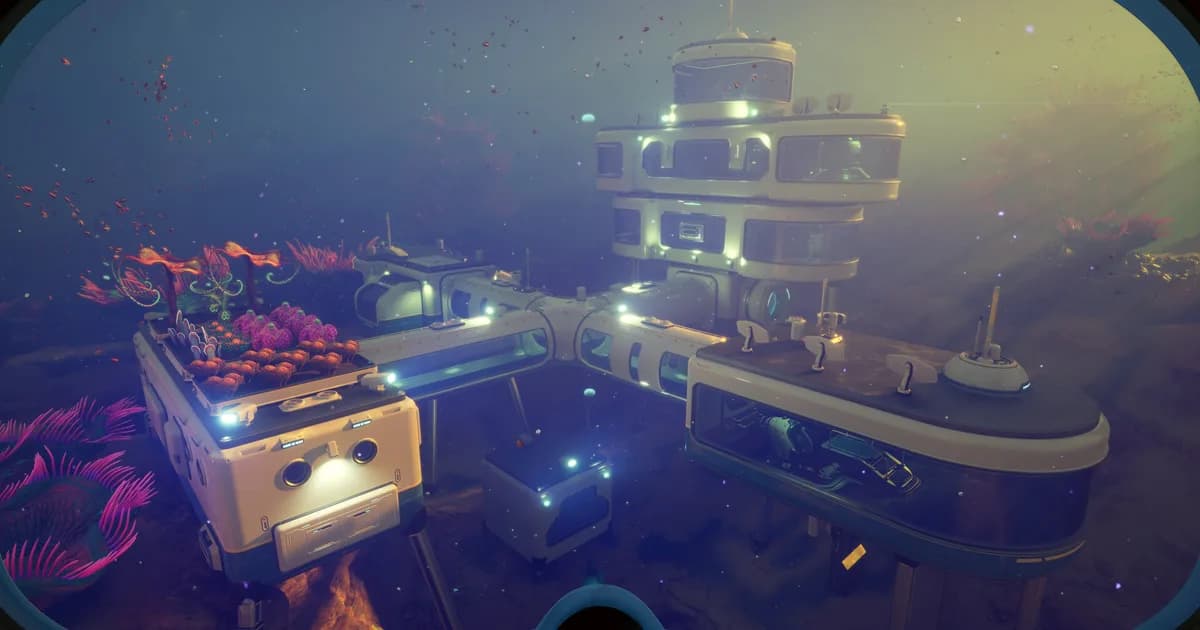
Subnautica 2 Food Guide: Digestion, Fish, and Easy Meals
General · 8 min
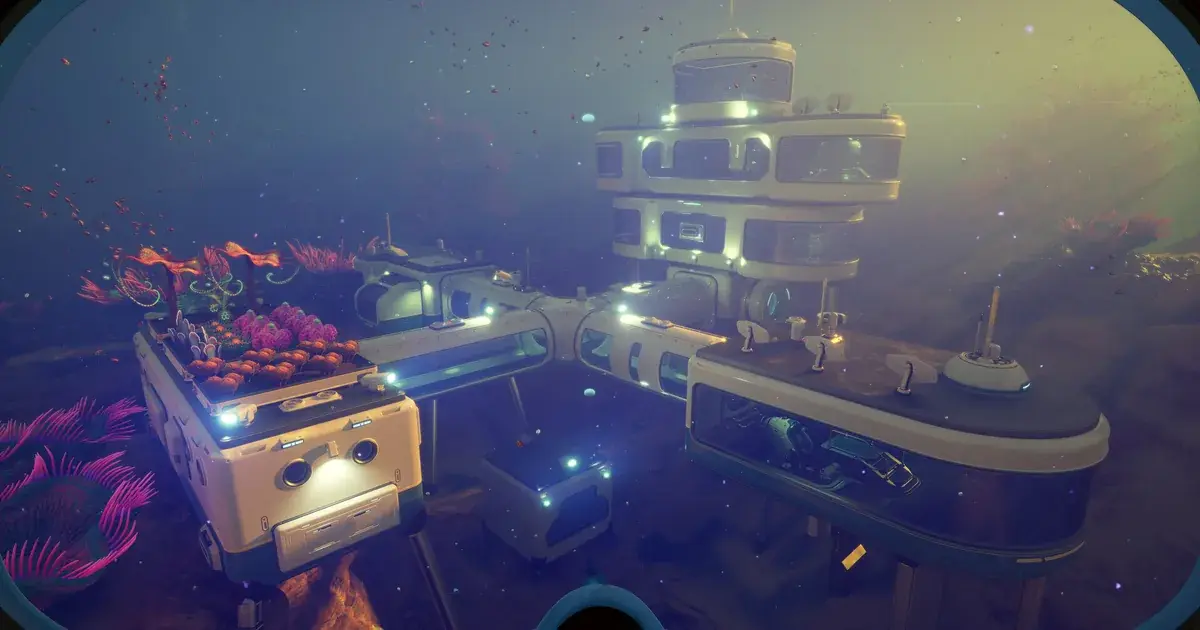
Subnautica 2 Beginner Guide: Systems, Survival, First Hours
Guides · 12 min
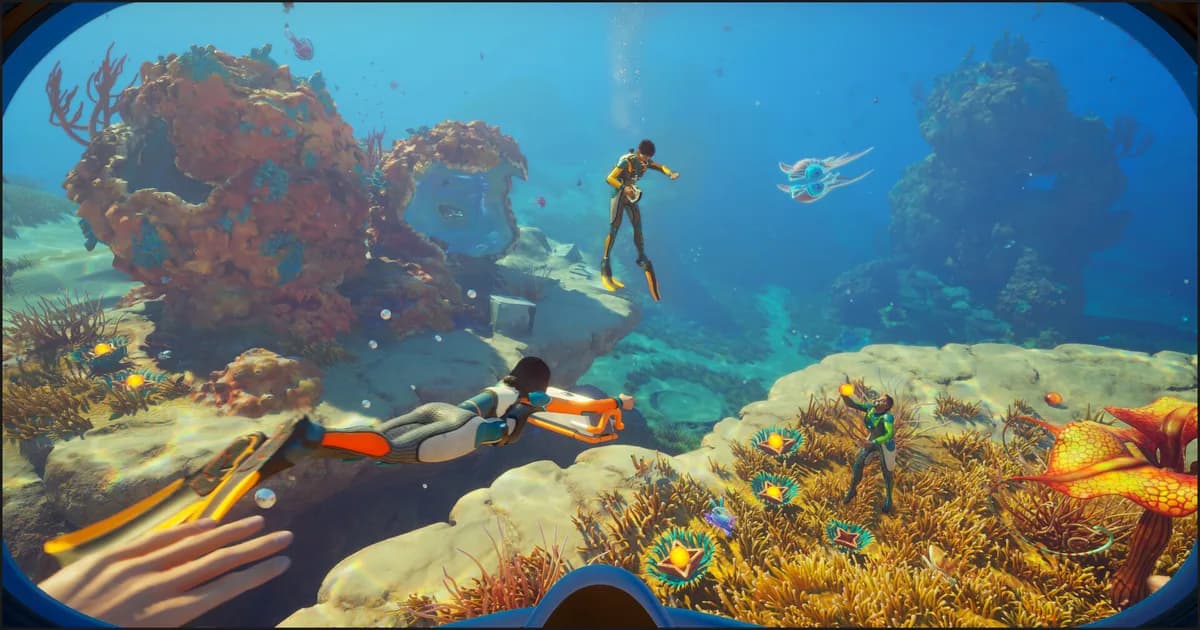
Subnautica 2 Creature Evasion: 4 Biomods That Actually Work
Guides · 10 min
Subnautica 2 Co-op Guide: Setup, Roles, and Strategy
General · 15 min
Subnautica 2 Hotfix 2: Full Patch Notes and Changes
General · 4 min
Subnautica 2 Deep-Sea Base Guide: Power and Co-op Tips
Guides · 10 min
Game deals · affiliate links

Disclaimer
This article is published for informational and entertainment purposes. It does not constitute professional financial, legal, or technical advice. Game performance, online services, patch schedules, and store listings change. Verify critical details (pricing, system requirements, regional availability) with publishers and storefronts before you buy. Affiliate links, where present, help support our editorial work and are labelled in our affiliate disclosure.
Comments
Loading comments…