
ARC Raiders · Guides
ARC Raiders Blue Gate Guide: Loot, Augments, Tips 2026
ARC Raiders Blue Gate guide: the reinforced reception augment spot, underground headhouse section, and what this starter map actually teaches you.
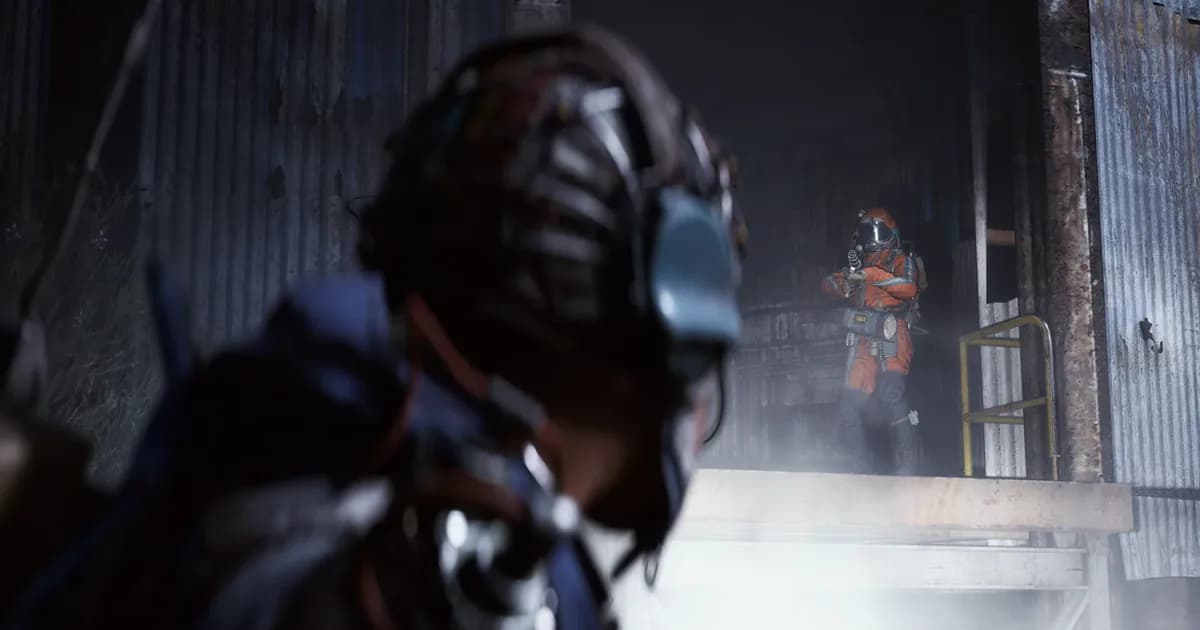
About the game
ARC Raiders
Embark Studios
ARC Raiders Blue Gate is the game's first zone by progression: mountain pass terrain, narrow corridors, close enough to ARC patrols that mistakes happen fast but rarely cost everything. It's where the game teaches you to read patrol timing before the stakes are high enough to sting.
Two things most guides miss: the reinforced reception area has an augment spawn that most players walk past, and there's an underground section you enter through a structure called the headhouse that doesn't appear in the main sightlines from spawn. Both below.
TL;DR: Blue Gate is the starter zone in the progression sequence, before the Dam, Spaceport, Buried City, and Stella Montis. Mountain pass terrain, close-range Canto SMG meta. The reinforced reception area spawns augments at better rates than comparable surface loot. Underground section accessed via the headhouse, patrolled by Bastion units. Canto SMG for corridors, medium armor if you're running underground. The skill Blue Gate teaches is extraction timing, and that habit carries into every zone after it.
Overview: ARC Raiders Blue Gate (quick answer)
Blue Gate is a mountain pass zone built around corridors and close-quarters encounters. It's the first zone in the ARC Raiders progression sequence, before the Dam, Spaceport, Buried City, and Stella Montis. The ARC units here are manageable for new players, but the patrol density and tight terrain mean you either learn extraction timing here or you learn it the hard way later when it costs more.
What makes Blue Gate different from other zones
The Dam teaches interior clearance. Spaceport is about positioning across open terrain. What Blue Gate teaches is harder to name until you've failed it a few times: read the patrol timing, commit to your extraction before you've looted everything you wanted.
That lesson is the zone's actual purpose. The mountain pass layout creates predictable patrol corridors. ARC units move through these corridors on recognizable routes. Players who spend runs in Blue Gate internalize patrol timing in a low-cost environment. Players who skip straight to harder zones usually die to patrols they didn't see coming, because they never built the habit of reading them.
The terrain is elevated and narrow in the main sections. There are drop points and interior structures set between rock faces, but the zone doesn't give you the open sightlines that Spaceport has. Combat happens quickly here. The Canto SMG is the community consensus weapon here because corridor range is where most Blue Gate fights land.
PvP contact happens but less frequently than at the Dam or Spaceport. Blue Gate's first-zone status means more players are running starter kits, not looking for fights. That changes deeper into a session, but the zone is genuinely less aggressive than mid-tier zones.
GODEEPER: Once you've extracted materials from Blue Gate, what components to keep, sell, or scrap and which to prioritize for crafting. ARC Raiders loot guide: what to keep, sell, or scrap →
The reinforced reception: augment farming in Blue Gate
The reinforced reception is an interior structure in Blue Gate that has higher augment spawn rates than comparable surface locations. Community posts about this spot reached over 6,000 upvotes because most players walk right through without stopping to check the right containers, and the posts corrected that.
The area isn't marked as special on any in-game indicator. It looks like one of the zone's other interior structures. The name comes from community shorthand, not an in-game label. What makes it worth prioritizing: it's an indoor space with lootable containers, and the ARC patrol density around it is manageable if you clear the immediate area before looting.
For players building out an augment loadout early, the reinforced reception is the most practical spot in Blue Gate. The augment spawn isn't guaranteed on every run, but the rate is reliably higher than surface containers in the same area. Running straight to the reinforced reception on entry, clearing the local patrol, looting, and extracting is a clean run pattern that pays off more consistently than spreading across the whole zone.
At higher levels, augments drop at better rates in Stella Montis. But the reinforced reception remains worth knowing even then: it's the zone-appropriate version of augment farming for players who aren't ready for the Stella Montis threat level yet.
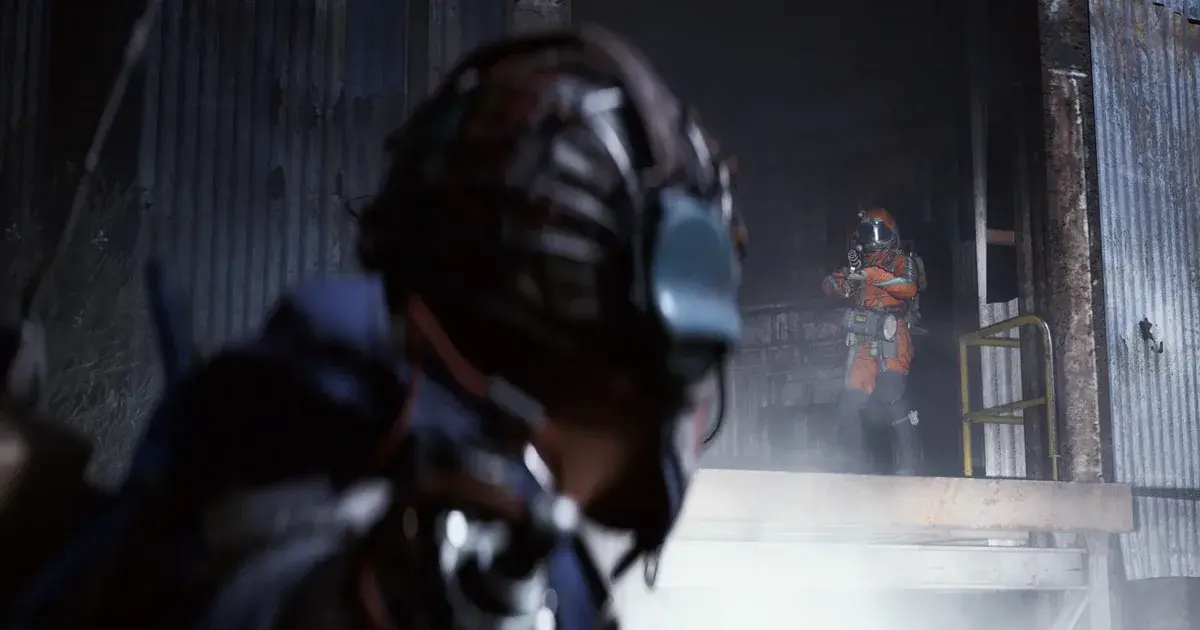
Blue Gate's surface level: cover-heavy layout with elevation differences that Bombardier-class ARC units exploit more aggressively than open-zone encounters.
The headhouse and underground section
Blue Gate has a surface level and an underground section. A lot of players don't realize the underground exists on their first runs because you access it through a specific structure the community calls the headhouse. It's not visible from the main sightlines near spawn.
The headhouse is the entry structure. Taking the correct path inside brings you into the underground section of the map. This section has distinct loot from the surface and is patrolled by Bastion-class ARC units, which are tougher encounters than the Bombardiers on the surface.
The practical reason to know this: the underground has different material spawns than the surface. If you've looted the surface and the components you needed weren't there, the underground is a second pass worth taking if your kit can handle Bastion encounters.
For new players, the headhouse is worth locating on early runs even if you don't go inside. Knowing where it is prevents you from accidentally triggering the underground entrance when you're not prepared and ending up in a Bastion encounter with a kit that can't handle it.
Community posts with nearly 3,000 upvotes have documented the underground section because the headhouse entry isn't intuitive and players kept dying to Bastions they didn't expect. The surprise is consistent enough that it's now part of the standard Blue Gate orientation advice.
Enemies: Bombardier and Bastion
Blue Gate has two ARC unit classes that matter for planning:
Bombardiers are the surface patrol type. They're the ARC units you'll encounter most frequently on initial runs. They use ranged attacks and patrol the mountain pass corridors. Learning their patrol routes is the main PvE challenge in the zone's surface sections, and the habits you build reading them transfer directly to harder zones.
Bastions are the heavier unit. They appear in the underground section. The Bastion's attack profile differs from the Bombardier. It's built for closer range and punishes players who try to maintain distance in a tight underground corridor. If you're taking the headhouse route, your loadout needs to account for this. Light builds without medium armor get punished by Bastions in enclosed spaces.
Players grinding map-specific contracts have another reason to run Blue Gate: Bombardier and Bastion kills both count toward certain zone contracts. Players who've outgrown the zone for loot purposes return to stack Bombardier surface kills without committing to the harder underground fights. Blue Gate stays relevant for contract progression even when the loot isn't the draw.
Key takeaways: what Blue Gate actually teaches
Players who skip Blue Gate usually show up to the Dam with the habits that got them killed in Blue Gate's later sessions.
Extraction timing is the big one. The patrol density near extractions is intentional. Blue Gate punishes players who loot everything and then try to exit. Know your extraction before you start looting. That habit carries to every other zone, and players who don't build it here spend extra kit learning it somewhere less forgiving.
Patrol reading comes with it. ARC units here move on recognizable routes because the terrain channels them. After six or seven runs, their timing stops being a surprise. That awareness doesn't disappear when you move to harder zones.
The other thing Blue Gate gives you is PvEvP reps at low stakes. Other Raiders show up. You'll hit scenarios where another player is fighting an ARC unit: do you engage them or let them finish and risk them coming at you after? Blue Gate's cost-per-mistake is low enough that you can work out your answer without burning a full kit each time.
GODEEPER: For the full progression sequence after Blue Gate and what each zone prepares you for. ARC Raiders maps guide: all zones and difficulty ratings →
Loadout tips for Blue Gate
Close-range primary. The Canto SMG handles the corridor fights in the mountain pass sections. Light or medium armor for the surface areas. Bombardier attacks don't demand heavy protection, and mobility matters more than tank stats in tight terrain.
If you're running the underground section: medium armor. The Bastion's close-range profile in the underground corridor is where light builds get punished. That's not a zone-wide change, just the headhouse section.
Kit investment in Blue Gate should be conservative. This is a zone where you learn the map, not where you bring your best gear. Free loadout runs work here. The loot value and learning value are both high enough that going in with nothing invested still nets positive outcomes most sessions.
The ARC Raiders armor guide covers the noise-to-protection tradeoff for each tier in detail, but Blue Gate's recommendation is simple: light for surface-only runs, medium if the underground is in your route.
Extraction points in Blue Gate: surface exits are faster but exposed; the underground headhouse route avoids open terrain entirely.
Extraction routes in Blue Gate: step-by-step
Blue Gate has multiple extraction options spread across the mountain pass terrain. Surface extractions are faster to reach but more visible. Players setting up on another Raider's extraction figure that out quickly in a zone with relatively predictable terrain.
Standard approach: identify two extractions before looting, same as any zone. Blue Gate's terrain makes this easier to plan than at Spaceport or Stella Montis because the map is less complex. The underground section has a separate extraction path if you've gone through the headhouse, which means you can avoid the surface entirely on the way out if you need to.
Electromagnetic Storm conditions disable Raider Hatches and reduce the active extraction count. Check the modifier before inserting. Planning a Hatch exit in storm conditions wastes the run.
Related Reading
- ARC Raiders maps guide: Overview of all six zones, difficulty ratings, and what order to run them in.
- ARC Raiders Dam guide: The next zone after Blue Gate, with interior clearance challenges that build on what you learned here.
- ARC Raiders armor guide: Tier and noise recommendations for each zone including Blue Gate.
- ARC Raiders extractions guide: Cargo, hatch, and elevated platform extraction mechanics explained for all zones.
- ARC Raiders loot guide: what to keep, sell, or scrap: Material priority guide for post-extraction decisions across all zones.
- ARC Raiders 1.27.0: Riven Tides Map and All Changes: ARC Raiders 1.27 dropped May 5: Turbine visibility fixes, grenade exploit patched, audio overhaul, and Embark's direct response....
References
- r/arcraiders: augment at "reinforced reception": 6,927-upvote post documenting the augment spawn in the reinforced reception area
- r/arcraiders: Blue Gate underground section and headhouse: 2,855-upvote post detailing the underground section entry via headhouse and Bastion encounters
- r/arcraiders: PvEvP story from Blue Gate: 4,887-upvote community post documenting PvEvP decision-making scenarios in the zone
- ARC Raiders on Steam
- ARC Raiders is $29.99 on Steam right now (25% off). Green Man Gaming (sponsored) lists the same key at $27.51, down to $26.87 with GMG rewards pricing.
Frequently Asked Questions
What is Blue Gate in ARC Raiders? Blue Gate is the first recommended zone in ARC Raiders, set in a mountain pass with narrow corridors and close-range combat. It's where new players learn extraction timing, patrol patterns, and basic survival before moving to harder zones like the Dam or Spaceport.
Where is the reinforced reception in ARC Raiders Blue Gate? The reinforced reception is an interior structure in Blue Gate with higher augment spawn rates than comparable surface locations. The name comes from community shorthand. It's worth prioritizing on entry because the patrol density around it is manageable, and augments here don't require the risk profile of farming harder zones.
What is the headhouse in ARC Raiders Blue Gate? The headhouse is the entry point to Blue Gate's underground section. Players who don't know it exists often miss the underground entirely. The underground has distinct loot from the surface and is patrolled by Bastion-class ARC units, which are tougher encounters than the surface Bombardiers.
What weapons work best in Blue Gate? The Canto SMG handles Blue Gate's tight corridors and close-range fights. The narrow mountain pass limits long-range engagements. Light or medium armor depending on whether you're running the underground section.
Is Blue Gate good for augment farming? Yes. The reinforced reception area has better augment spawn rates than comparable surface loot, and the ARC threat level is manageable for players who understand the patrol routes. It's the most practical early augment farming spot before you're ready for Stella Montis.
What enemies are in ARC Raiders Blue Gate? Bombardier class ARC units on the surface, Bastion class in the underground section. The Bastion punishes light builds in the enclosed underground corridors. Know which section you're entering before you commit your kit.
When should I move on from Blue Gate to harder zones? When you can clear the reinforced reception and underground section without burning through your kit, and when a full extraction run nets consistent positive value, you're ready for the Dam. Blue Gate has done its job when patrol timing stops being a surprise.
Was this guide helpful?
Keep reading
Game deals · affiliate links

Disclaimer
This article is published for informational and entertainment purposes. It does not constitute professional financial, legal, or technical advice. Game performance, online services, patch schedules, and store listings change. Verify critical details (pricing, system requirements, regional availability) with publishers and storefronts before you buy. Affiliate links, where present, help support our editorial work and are labelled in our affiliate disclosure.
About the author

Indie & JRPG Critic
Indie game evangelist and lifelong JRPG fan covering small studios since 2017. Mumbai-born, London-based. Writes the way she talks.
- 7 years indie games coverage
- JRPG and visual novel specialist
- Narrative design focus